Understanding what you eat before and after your workouts is just as crucial as the exercises themselves. Proper nutrition fuels your performance, aids recovery, and helps you achieve your fitness goals. But what exactly should you be eating, and in what proportions? Let’s dive into the strategic carbohydrate and protein splits that can revolutionize your gym routine.
We’ll explore why a 60% carbohydrate and 40% protein balance is ideal for powering your workouts, and how a 50/50 split can significantly support muscle repair and rebuilding post-exercise. Get ready to elevate your nutrition game!
The Science Behind Workout Nutrition
Your body relies on specific macronutrients – carbohydrates, proteins, and fats – to perform its best, especially around physical activity. Carbohydrates are your primary source of energy, converted into glucose and stored as glycogen in your muscles and liver. Protein is essential for muscle repair, growth, and overall tissue maintenance. Fats also play a role in sustained energy and hormone production, though their immediate impact on workout performance is less direct.
The timing and ratio of these macronutrients, particularly carbs and protein, can make a significant difference in how you feel during your workout, how quickly you recover, and how effectively your muscles adapt and grow.
Pre-Workout Nutrition: Fueling for Performance
Before you hit the gym, your goal is to provide your body with readily available energy to sustain your performance and protein to protect your muscles from excessive breakdown during intense exercise. This is where a strategic balance comes into play.
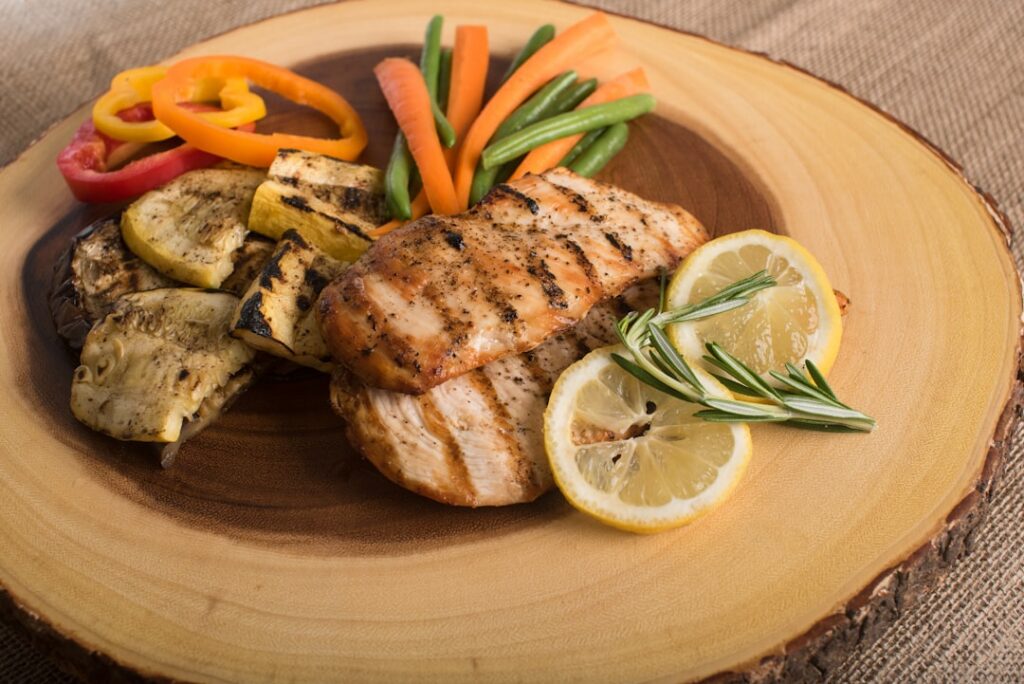 Fuel your body with the right balance of carbs and protein before your workout.
The 60% Carb / 40% Protein Split
For your pre-workout meal, aiming for approximately 60% carbohydrates and 40% protein can be highly beneficial. Here’s why:
- Carbohydrates (60%): Prioritizing complex carbohydrates like whole grains, fruits, and vegetables provides a steady release of glucose into your bloodstream. This ensures your muscles have a consistent energy supply throughout your workout, preventing fatigue and maintaining high intensity.
- Protein (40%): A significant protein intake pre-workout helps to minimize muscle protein breakdown during exercise. When your body has amino acids available, it’s less likely to break down its own muscle tissue for energy, preserving your gains and setting the stage for better recovery.
Examples of Pre-Workout Meals:
- Oatmeal with berries and a scoop of protein powder.
- Whole-wheat toast with avocado and scrambled eggs.
- Grilled chicken or fish with a serving of brown rice and steamed vegetables.
- Greek yogurt with fruit and a sprinkle of granola.
Timing is Key: Consume your pre-workout meal approximately 1 to 3 hours before your training session. This allows enough time for digestion and nutrient absorption, ensuring the fuel is ready when you need it.
Post-Workout Nutrition: Repairing and Rebuilding
After your workout, your muscles are primed to absorb nutrients. They have depleted their glycogen stores, and muscle fibers have experienced micro-tears. The goal of post-workout nutrition is to replenish energy reserves and provide the building blocks for muscle repair and growth.
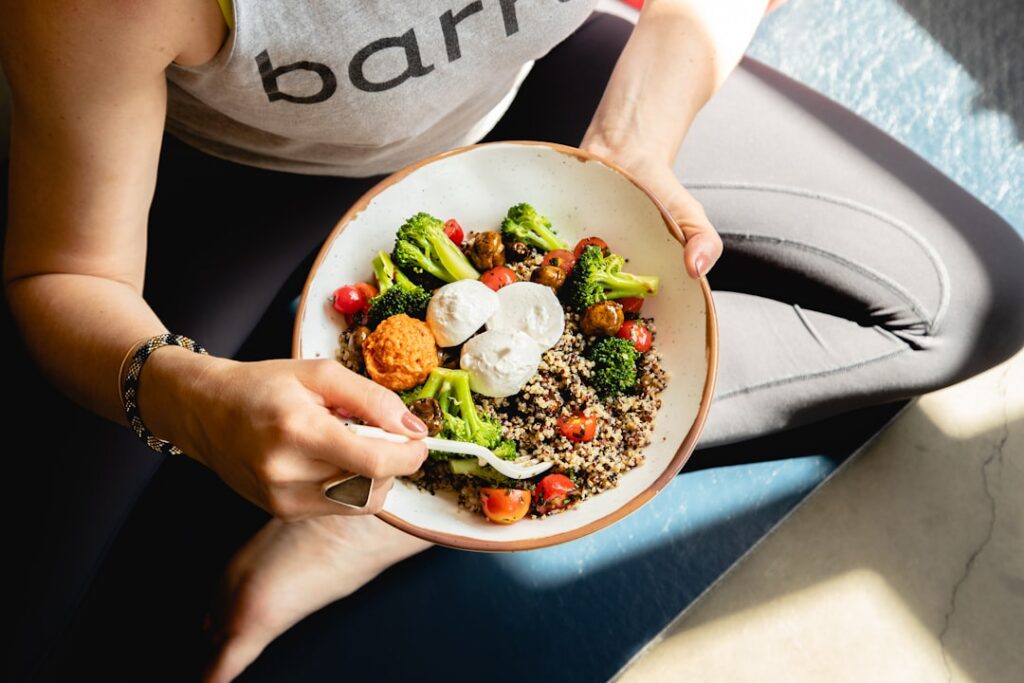 Support muscle recovery and growth with a well-balanced post-workout meal.
The 50% Carb / 50% Protein Split
A 50% carbohydrate and 50% protein ratio is often recommended for your post-workout meal to optimize recovery:
- Carbohydrates (50%): Rapidly digestible carbohydrates help replenish muscle glycogen stores quickly. This is crucial for energy restoration and preparing your muscles for the next training session.
- Protein (50%): A high protein intake provides the necessary amino acids for muscle protein synthesis, which is the process of repairing damaged muscle fibers and building new ones. This promotes muscle growth and adaptation.
Examples of Post-Workout Meals:
- Chicken breast with sweet potato and green beans.
- Protein smoothie with banana, spinach, and protein powder.
- Quinoa bowl with black beans, corn, and grilled tofu.
- Tuna salad on whole-wheat crackers with an apple.
The Anabolic Window: While the concept of a very narrow