In a world bustling with fleeting health trends and complicated diets, it’s easy to lose sight of a fundamental truth: genuine health begins with simple, real food. Forget the fads; your body’s true powerhouse is fueled by essential vitamins, readily available in the wholesome foods around us. At Glowra Health, we believe in empowering you with practical, accessible nutrition that doesn’t just taste good but genuinely supports your well-being.
This article will guide you through a selection of incredible vitamin-rich foods that form the bedrock of a truly healthy lifestyle. We’ll explore how everyday ingredients can boost your foundational health, providing the vital nutrients your body craves without the need for complex meal plans or expensive supplements. Discover how simple choices can make a profound difference to your vitality and overall health.
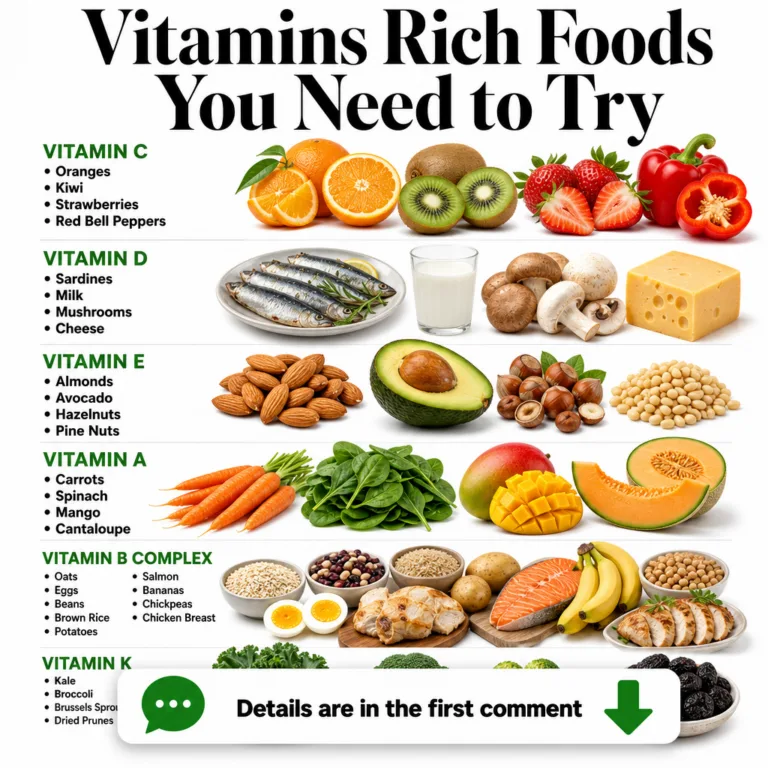
Vitamin C: Your Immunity Ally
Vitamin C is perhaps best known for its role in supporting a robust immune system. But its benefits extend far beyond warding off colds; this powerful antioxidant is crucial for collagen production, wound healing, and even protecting your cells from damage. Incorporating plenty of Vitamin C-rich foods into your daily diet is a simple yet effective way to maintain overall health and vitality.
Foods to Boost Your Vitamin C Intake:
- Strawberries: These sweet berries are packed with Vitamin C and antioxidants. Enjoy them fresh, in smoothies, or atop your morning yogurt.
- Oranges: A classic source, oranges are delicious and easy to grab on the go. Don’t limit yourself to juice; the whole fruit provides beneficial fiber.
- Bell Peppers: Surprisingly, bell peppers (especially red and yellow ones) often contain more Vitamin C than oranges! They’re excellent raw in salads or stir-fries.
- Broccoli: A cruciferous powerhouse, broccoli offers Vitamin C alongside fiber and other essential nutrients. Steam it, roast it, or add it to pasta dishes.
- Kale: This leafy green superfood is not only rich in Vitamin C but also Vitamins A and K. Add it to salads, smoothies, or sauté with garlic.
Vitamin D: The Sunshine Nutrient
Often called the ‘sunshine vitamin,’ Vitamin D is vital for bone health, helping your body absorb calcium. It also plays a critical role in immune function, mood regulation, and reducing inflammation. While sun exposure is a primary source, certain foods can help you meet your daily needs, especially during darker months.
Foods Rich in Vitamin D:
- Salmon: Fatty fish like salmon are among the best natural food sources of Vitamin D. Aim for wild-caught salmon when possible for optimal benefits.
- Tuna: Another excellent oily fish, tuna (especially canned light tuna) can contribute significantly to your Vitamin D intake.
- Egg Yolk: The yolk is where all the Vitamin D (and most other nutrients) are concentrated in an egg. Enjoy whole eggs in various preparations.
- Fortified Milk: Many dairy and plant-based milks are fortified with Vitamin D, making them a convenient way to boost your intake.
- Mushrooms: Certain mushrooms, particularly those exposed to UV light, can contain notable amounts of Vitamin D. Look for labels indicating UV-treated mushrooms.
Vitamin E: Antioxidant Powerhouse
Vitamin E is a potent antioxidant that helps protect your cells from oxidative damage. It’s essential for healthy skin, eyes, and immune function. Incorporating Vitamin E-rich foods can contribute to a glowing complexion and overall cellular health.
Top Sources of Vitamin E:
- Almonds: These delicious nuts are not just a great snack; they’re brimming with Vitamin E. A handful provides a significant portion of your daily requirement.
- Spinach: This versatile leafy green is a fantastic source of Vitamin E, along with other vitamins and minerals. Easily added to almost any meal.
- Avocado: Creamy and nutritious, avocados provide healthy fats and a good dose of Vitamin E. Perfect in salads, sandwiches, or as a spread.
- Sunflower Seeds: Small but mighty, sunflower seeds are one of the best sources of Vitamin E. Sprinkle them on salads, yogurt, or eat them as a snack.
- Olive Oil: Extra virgin olive oil, a staple of the Mediterranean diet, contains Vitamin E and beneficial monounsaturated fats. Use it for dressing or light cooking.
Vitamin A: Vision & Beyond
Vitamin A is crucial for good vision, especially in low light. Beyond eye health, it supports immune function, skin health, and proper cell growth and differentiation. Many Vitamin A-rich foods come in vibrant colors, signaling their nutritional density.Foods High in Vitamin A:
- Carrots: Perhaps the most famous source, carrots are loaded with beta-carotene, which the body converts into Vitamin A. Enjoy them raw, roasted, or in juices.
- Sweet Potatoes: Another excellent beta-carotene provider, sweet potatoes are versatile and delicious. Bake them, mash them, or turn them into fries.
- Liver: Organ meats like liver are exceptionally rich in preformed Vitamin A (retinol), offering a highly bioavailable source.
- Spinach: Once again, spinach makes an appearance, providing Vitamin A in addition to its other numerous benefits.
- Kale: Like spinach, kale is a green leafy vegetable that delivers a substantial amount of Vitamin A, making it a true superfood.
B Complex Vitamins: Energy & Metabolism
The B complex refers to eight different vitamins (B1, B2, B3, B5, B6, B7, B9, B12), each playing a unique but interconnected role in your body’s energy production, metabolism, nerve function, and red blood cell formation. A sufficient intake of these vitamins is key to feeling energized and maintaining optimal bodily functions.
Key B Complex Food Sources:
- Whole Grains: Foods like oats, brown rice, and whole wheat bread are rich in various B vitamins, especially B1 (thiamine) and B3 (niacin).
- Lentils: These legumes are a powerhouse of nutrients, including B vitamins (particularly B9 – folate), fiber, and protein. Great in soups, stews, or salads.
- Eggs: A complete protein, eggs are also a good source of several B vitamins, including B2 (riboflavin) and B12 (cobalamin).
- Leafy Greens: Spinach and kale contribute significantly to your folate (B9) intake, crucial for cell growth.
- Salmon: This fatty fish provides B6, B12, and niacin, supporting energy and neurological health.
Vitamin K: Essential for Clotting & Bones
Often overlooked, Vitamin K is absolutely critical for blood clotting (preventing excessive bleeding) and plays a significant role in bone health by helping to regulate calcium. Most of your Vitamin K intake comes from leafy green vegetables.
Foods High in Vitamin K:
- Broccoli: A fantastic source of Vitamin K, along with Vitamin C and fiber.
- Spinach: This versatile green is rich in Vitamin K1, the primary dietary form of the vitamin.
- Kale: Yet another reason to love kale, it’s one of the best sources of Vitamin K.
- Cabbage: A humble yet mighty vegetable, cabbage provides a good amount of Vitamin K. Use it in salads, coleslaw, or stir-fries.
- Brussels Sprouts: These mini cabbages are not only tasty when roasted but also packed with Vitamin K.
Simple Ways to Incorporate More Vitamin-Rich Foods
Making these nutrient-dense foods a regular part of your diet doesn’t have to be complicated. Here are a few easy tips:
- Start Your Day Green: Add spinach or kale to your morning smoothie or scramble.
- Snack Smart: Grab an orange, a handful of almonds, or some carrot sticks.
- Salad Power: Load your salads with bell peppers, spinach, kale, and sunflower seeds.
- Meal Prep with Purpose: Roast a big batch of broccoli, Brussels sprouts, or sweet potatoes for easy additions to meals throughout the week.
- Upgrade Your Grains: Choose whole-grain bread and brown rice over refined options.
- Don’t Fear Fish: Incorporate salmon or tuna into your weekly menu—think baked salmon with steamed broccoli or a tuna salad sandwich on whole wheat.
Remember, consistency is key. Small, sustainable changes to your diet can lead to significant improvements in your energy levels, immunity, and overall well-being. Focusing on real, whole foods is the most powerful trend you can embrace for your health.