What This Viral Vaseline and Baking Soda Trend Is About
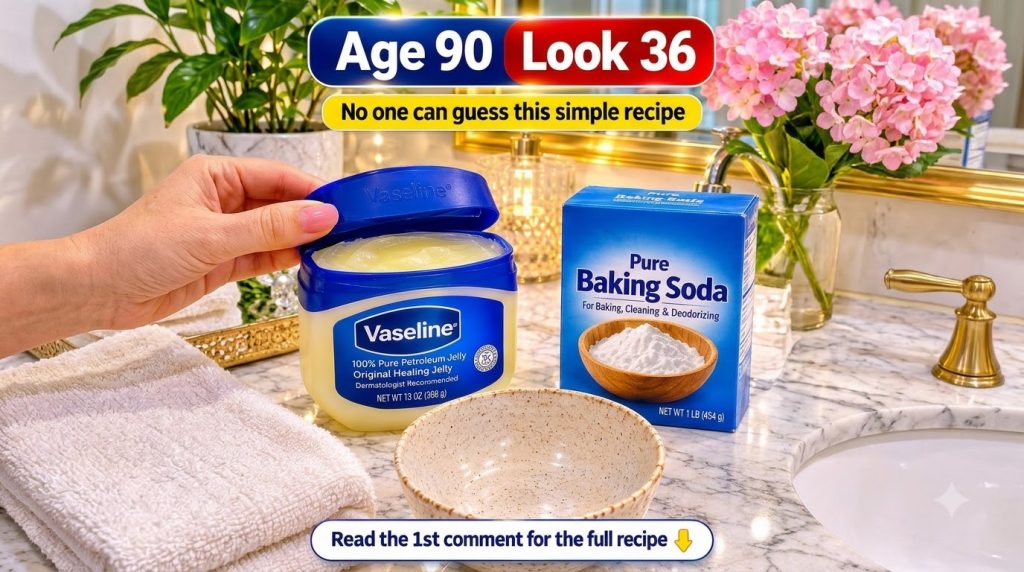
You may have come across a short video promising a simple homemade mix that can make your skin look decades younger. The idea combines petroleum jelly and baking soda into a quick DIY face treatment. It sounds exciting, so let us take a friendly, honest look at what this mix can do and where it might cause problems.
Why People Are Drawn to It
Both ingredients are affordable and easy to find at home. Petroleum jelly is well known for keeping skin hydrated and soft, while baking soda is a common kitchen staple that some people use for gentle exfoliation. Putting them together feels like a shortcut to smoother, brighter skin, and that promise is very appealing when you are busy and want results fast.
What Petroleum Jelly Can Do
Petroleum jelly works as an occlusive, which means it forms a light barrier over the skin to help it hold onto moisture. It can be a helpful finishing step for dry patches on elbows, heels, or lips. However, it does not reverse wrinkles or change your actual age, and on some skin types it may feel heavy or contribute to clogged pores.
What Baking Soda Can and Cannot Do
Baking soda is slightly alkaline and has a gritty texture. Used very gently, it may help loosen dead skin cells on the surface. But it can also disturb the skin’s natural balance, leading to dryness, redness, or stinging, especially on sensitive or acne-prone skin. For this reason, many skincare experts recommend avoiding baking soda on the face or using it only very rarely.
Glowing skin usually comes from consistent, gentle habits rather than one dramatic mixture.

Gentler Ways to Get a Glowing Look
- Cleanse with a mild, non-stripping cleanser twice a day.
- Moisturize while your skin is still slightly damp to lock in hydration.
- Use sunscreen every morning, which does more for youthful-looking skin than almost any home mix.
- Try a gentle chemical exfoliant or a soft washcloth once or twice a week instead of harsh scrubs.
- Get enough sleep, drink water regularly, and eat plenty of fruits and vegetables.
Safety Tips Before You Try Any DIY Mix
- Do a patch test on your inner arm and wait 24 hours before using a new mixture on your face.
- Stop right away if you notice burning, itching, or a rash.
- Keep mixtures away from your eyes and never apply them to broken or irritated skin.
- Use clean bowls and utensils, and make only small batches so nothing sits around too long.
The Bottom Line
A homemade mix can be a fun experiment, but it is not a magic solution for turning back the clock. Your best results will come from a gentle routine, daily sun protection, and patience. If you have ongoing concerns such as acne, dark spots, or severe dryness, a dermatologist can recommend treatments that are right for your skin.