Why Iron Matters for Your Energy Levels
If you often feel tired, sluggish, or short on stamina by the afternoon, your diet may be part of the story. Iron is an essential mineral that helps your body make hemoglobin, the protein in red blood cells that carries oxygen from your lungs to every tissue. When your iron intake runs low, oxygen delivery can slow down, and many people notice fatigue, reduced focus, and a general lack of vitality.
The good news is that adding iron-rich foods to your meals is one of the most practical, natural ways to support your energy. You do not need expensive supplements or complicated diets to get started. With a few smart choices, you can build meals that fuel your body steadily throughout the day.
Two Types of Dietary Iron
Not all iron is absorbed the same way. Understanding the difference can help you make better food choices.
- Heme iron comes from animal foods such as lean red meat, poultry, and fish. Your body absorbs it more efficiently.
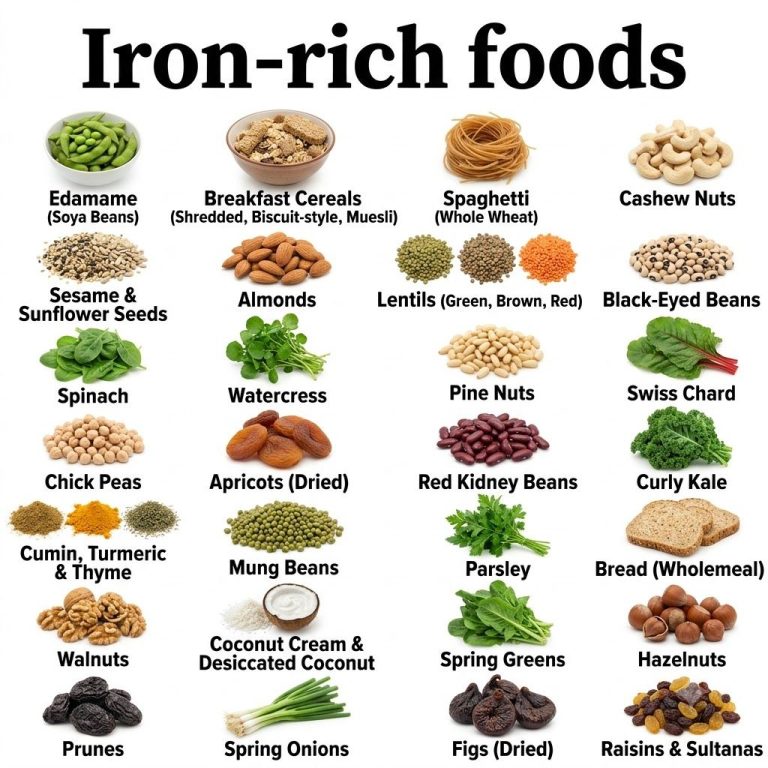
- Non-heme iron comes from plant foods such as lentils, beans, tofu, spinach, and fortified cereals. It is still valuable, but absorption depends more on what you eat alongside it.
Practical Ways to Add Iron-Rich Foods to Your Meals
- Start your day with fortified oats or whole-grain cereal. Top them with berries or sliced fruit for a fresh, energizing breakfast.
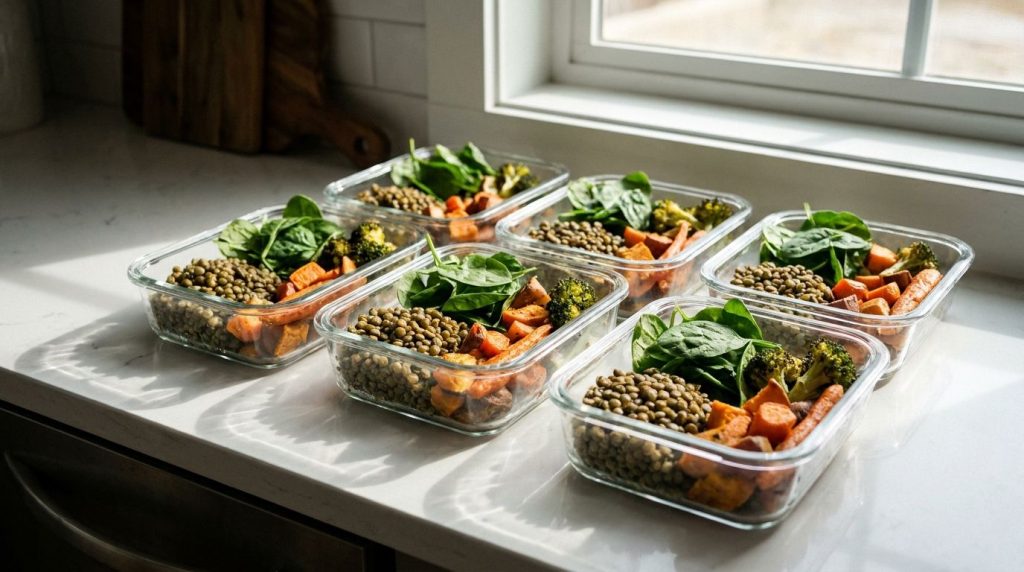
- Add lentils or chickpeas to soups and salads. They are affordable, filling, and easy to store in the pantry.
- Include lean meat or fish two to three times per week. Choose options like chicken thighs, turkey, or salmon for variety.
- Build a spinach or kale base for lunch. Leafy greens add iron along with fiber and other micronutrients.
- Use pumpkin seeds or chia seeds as toppings. A spoonful adds crunch, healthy fats, and a small iron boost.
Boost Absorption with Smart Pairings
Vitamin C helps your body absorb non-heme iron. Pairing plant-based iron sources with foods rich in vitamin C is a simple habit that makes a real difference. Try squeezing lemon juice over a lentil salad, adding bell peppers to a bean stir-fry, or serving strawberries with fortified cereal.
On the other hand, tea and coffee contain compounds that can reduce iron absorption when consumed with meals. Consider enjoying your favorite cup between meals rather than alongside your iron-rich dishes.
Sample Iron-Rich Day of Eating
- Breakfast: Fortified oatmeal with strawberries and pumpkin seeds.
- Lunch: Lentil and spinach salad with lemon vinaigrette and bell peppers.
- Snack: A handful of almonds with an orange.
- Dinner: Baked salmon with quinoa and steamed broccoli.
Who Should Be Careful
Iron needs vary with age, sex, pregnancy, and health conditions. Too much iron from supplements can be harmful, so it is wise to speak with a healthcare professional before starting any new supplement. If you have persistent fatigue, a blood test can clarify whether you need further guidance.
Final Thoughts
Boosting your energy does not have to be complicated. Start with one or two changes this week, such as adding lentils to your lunch or pairing your meals with a vitamin C-rich fruit. Small, consistent steps build lasting vitality over time. Which iron-rich food will you try first?