Balanced portions are one of the simplest ways to make everyday meals work harder for your health. The science behind them is less complicated than most people expect. The right ratio of foods on your plate can help you feel satisfied, keep your energy steady, and make every bite count.
Why Portion Ratios Matter for Balanced Meals
Many meals feel unsatisfying not because they lack good ingredients, but because the proportions are uneven. A plate heavy on refined starch and light on vegetables or protein can leave you hungry again within a few hours. Adjusting the ratio instead of cutting foods out entirely is a practical way to build meals that feel more complete.
The Simple Science Behind Balanced Plates
Think of each meal as a combination of three building blocks. Vegetables and fruit contribute fiber and micronutrients. Protein supports fullness and helps maintain muscle. Whole carbohydrates and healthy fats provide steady energy. When these elements come together in sensible proportions, meals tend to feel more satisfying and easier to enjoy.
- Fill roughly half the plate with colorful vegetables.
- Add a moderate portion of protein, such as fish, eggs, legumes, or poultry.
- Include a smaller portion of whole grains or starchy vegetables.
- Finish with a small amount of healthy fats, such as olive oil, nuts, or avocado.
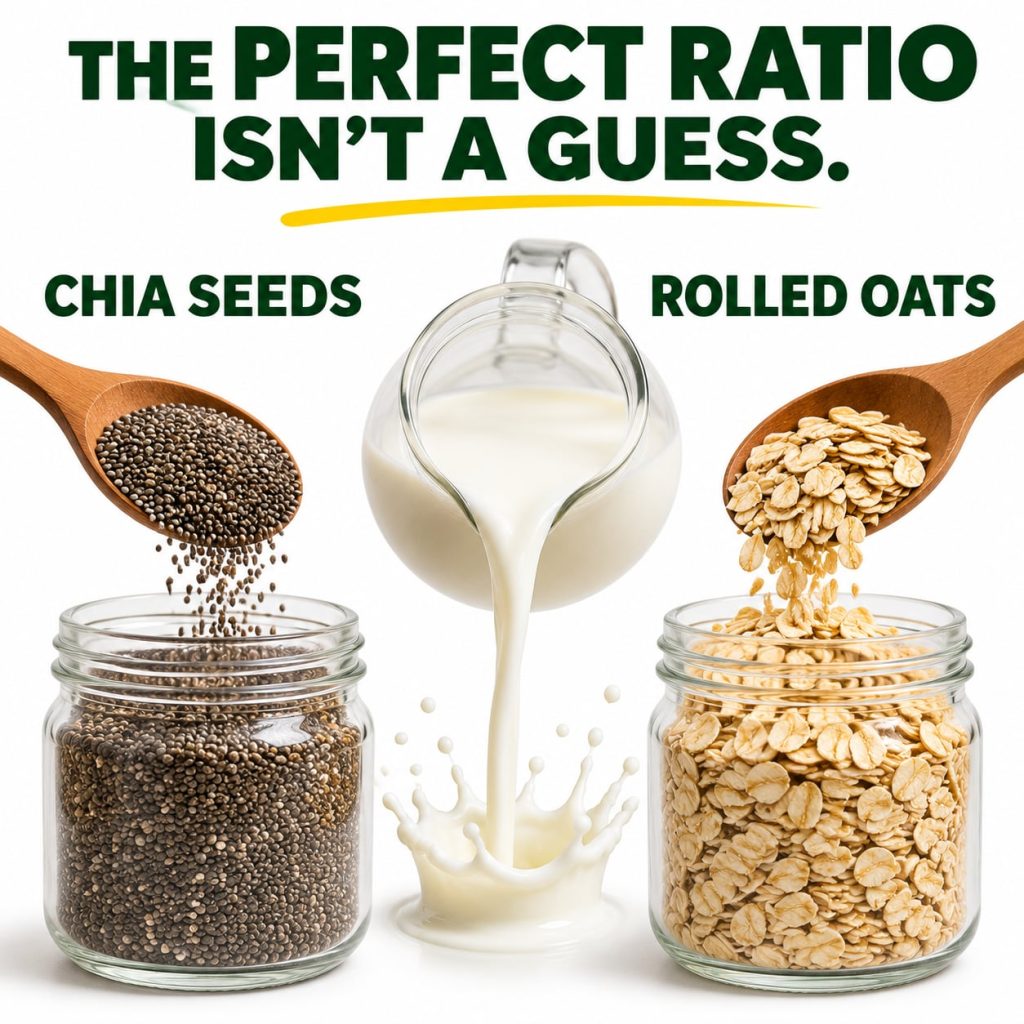
Using Balanced Portions for Meal Prep
Balanced portions are easy to apply when you prepare meals in advance. Divide your containers into the same general ratio each time, with vegetables taking up the largest section, followed by protein and then whole grains or healthy fats. This approach keeps lunches and dinners consistent without requiring precise weighing at every meal.
Common Questions About Balanced Portions
Balanced portions do not mean eating less food in every case. They mean arranging what you eat so that each meal includes a useful mix of nutrients. Start with one meal per day, notice how you feel afterward, and adjust the ratios to suit your appetite and schedule.
Final Thoughts on Balanced Meals
Balanced portions turn meal planning into a simple habit rather than a strict diet rule. By focusing on ratios, you can build plates that support your health and look appealing at the same time. Small, consistent adjustments often make the biggest difference over time.
Medical disclaimer: This article is for general information only and is not a substitute for advice from a qualified healthcare professional. If you have a medical condition or specific dietary needs, please consult your doctor or a registered dietitian.