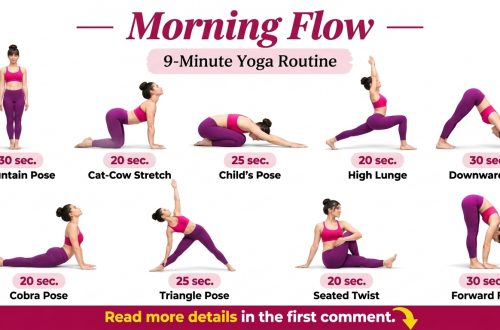
Why a Quick Morning Routine Can Be a Smart Start
Many people look for simple ways to feel more energized and to support their core strength. A short morning routine can be an easy way to build movement into your day. Before you begin any exercise, though, one step matters more than many people realize: the warm-up.
This article is for educational purposes only and is not a substitute for medical advice or treatment. If you have a health condition, injury, or concerns about starting a new exercise program, consult a qualified healthcare professional first.
What a Warm-Up Does for Your Body
A warm-up is a short period of light movement that prepares your body for more demanding activity. Research suggests that gentle warm-up exercises may help increase blood flow to the muscles, raise muscle temperature, and improve flexibility before physical activity. These changes are commonly associated with better movement quality and a lower chance of strain during workouts.
- Increased blood flow: Warm muscles receive more oxygen and nutrients as your heart rate rises gradually.
- Improved flexibility: Gentle stretching and joint movements may help your range of motion feel smoother.
- Mental readiness: A few minutes of focused movement can help you transition from rest to activity.
- Injury awareness: Starting slowly gives you a chance to notice tightness or discomfort before you push harder.
A Simple Morning Warm-Up Sequence
The routine below is a gentle, beginner-friendly example. Move at a comfortable pace, breathe steadily, and stop any movement that causes sharp pain.
-
Gentle marching in place (2 minutes)
Lift your knees at a relaxed pace and swing your arms naturally. This raises your heart rate slowly and warms the large muscles of the legs.
-
Arm circles (1 minute)
Extend your arms to the sides and make small circles forward, then backward. This helps loosen the shoulders and upper back.
-
Standing side bends (1 minute)
Reach one arm overhead and gently lean to the opposite side, then switch. This encourages gentle mobility through the sides of the torso.
-
Bodyweight squats to a comfortable depth (2 minutes)
Keep your chest lifted and knees aligned with your toes. Use a depth that feels controlled and pain-free.
-
Cat-cow stretch (1 minute)
On hands and knees, alternate between arching and rounding your back slowly. This may help ease stiffness through the spine.
Building Core Strength Safely
Many people hope to feel more toned around the midsection. It helps to understand that targeted exercises alone do not determine where the body stores fat. Overall nutrition, sleep, daily movement, and consistency all play a role. Core-focused movements such as gentle planks and controlled sit-ups can support abdominal strength when performed with good form and appropriate progression.

Tips for Staying Consistent
- Choose a time that fits your schedule, such as right after waking up.
- Start with 10 to 15 minutes and increase gradually as you feel comfortable.
- Stay hydrated and listen to your body on rest days.
- Track how you feel over several weeks rather than focusing on quick changes.
Key Takeaways
A warm-up is a simple, practical step that may help prepare your muscles, support flexibility, and reduce the risk of strain. Pairing a gentle warm-up with balanced nutrition, adequate rest, and consistent movement is a sensible, science-informed approach to building a healthier routine. For personalized guidance, speak with a healthcare professional or certified fitness expert.