Your brain is an incredible organ, constantly working to process information, regulate emotions, and keep your memory sharp. Just like any other part of your body, what you eat has a profound impact on its health and function. While many foods can boost cognitive performance, others can actively work against it, potentially leading to brain fog, memory issues, and even an increased risk of cognitive decline over time.
Understanding which foods to limit or avoid is a powerful step toward protecting your mental sharpness and ensuring your brain stays vibrant for years to come. Let’s dive into five common culprits that might be sabotaging your brain health, backed by scientific research.
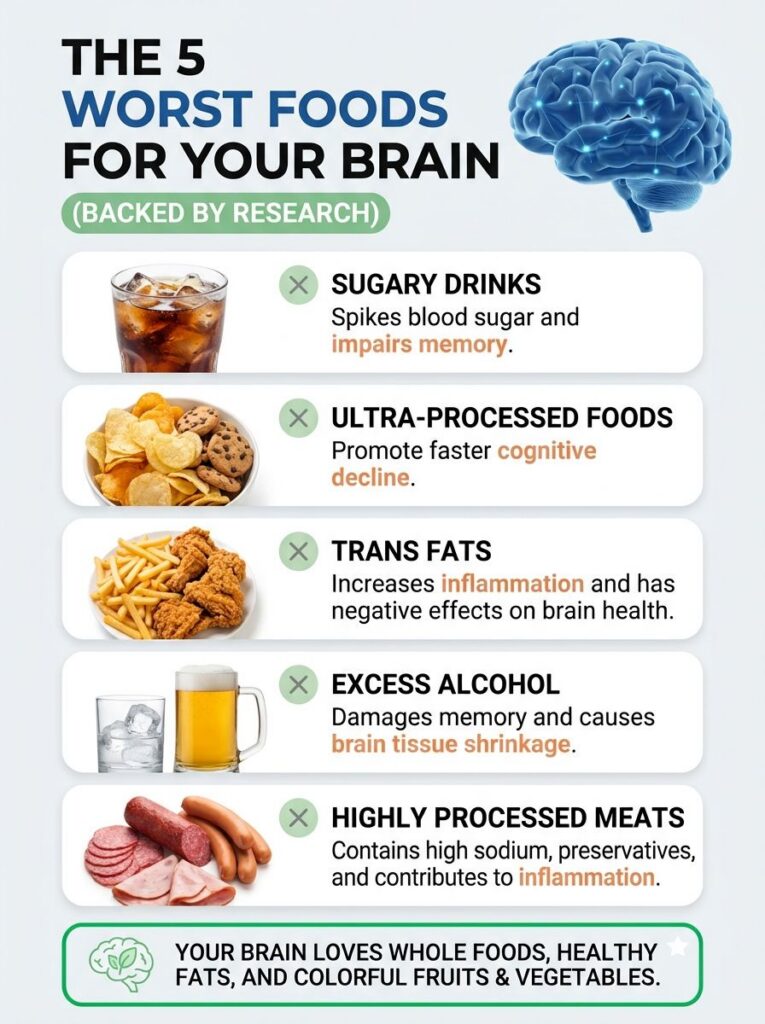
1. Sugary Drinks: The Sweet Road to Cognitive Decline
From sodas and energy drinks to fruit juices with added sugars, sugary beverages are a pervasive part of many diets. While they might offer a momentary energy boost, their long-term effects on brain health are far from sweet.
Why they’re harmful:
- Inflammation: High sugar intake can lead to chronic inflammation throughout the body, including the brain. Neuroinflammation is linked to impaired cognitive function and an increased risk of neurodegenerative diseases.
- Insulin Resistance: Regular consumption of sugary drinks can lead to insulin resistance, which has been associated with a higher risk of Alzheimer’s disease, sometimes referred to as ‘Type 3 Diabetes.’
- Impaired Memory: Studies have shown that diets high in added sugars can negatively impact memory and learning abilities. The excess glucose can damage brain cells and reduce the production of brain-derived neurotrophic factor (BDNF), a key molecule for learning and memory.
Healthy Swap: Opt for water, unsweetened tea, or sparkling water with a splash of fresh fruit for flavor.
2. Ultra-Processed Foods: Convenience at a Cost
Packaged snacks, fast food, frozen meals, and sugary cereals often fall into the category of ultra-processed foods. These items are typically high in added sugars, unhealthy fats, refined grains, and artificial ingredients, while being low in fiber and essential nutrients.
Why they’re harmful:
- Nutrient Deficiency: They displace nutrient-dense whole foods, depriving your brain of the vitamins, minerals, and antioxidants it needs to thrive.
- Inflammation and Oxidative Stress: The combination of unhealthy fats, sugars, and artificial additives can promote inflammation and oxidative stress, both detrimental to brain cells and overall cognitive function.
- Gut-Brain Axis Disruption: Ultra-processed foods can negatively alter your gut microbiome, and a healthy gut is crucial for a healthy brain due to the intricate gut-brain axis.
Healthy Swap: Choose whole, unprocessed foods like fresh fruits, vegetables, nuts, seeds, and lean proteins. Prepare meals at home whenever possible.
3. Trans Fats: The Silent Brain Saboteurs
Trans fats, often found in hydrogenated vegetable oils, are commonly present in fried foods, baked goods (like pastries, cakes, cookies), and some margarines. While some trans fats occur naturally in small amounts in animal products, the artificial trans fats created through industrial processes are particularly problematic.
Why they’re harmful:
- Increased Inflammation: Artificial trans fats are notorious for promoting systemic inflammation, which can directly harm brain tissue and function.
- Impaired Memory and Cognitive Function: Research has linked higher intake of trans fats to poorer memory, reduced brain volume, and an increased risk of dementia. They can damage blood vessels, reducing blood flow to the brain, and interfere with the synthesis of important neurotransmitters.
Healthy Swap: Read food labels carefully to avoid ‘partially hydrogenated oils.’ Opt for healthy fats found in avocados, olive oil, nuts, seeds, and fatty fish (like salmon).
4. Excess Alcohol: More Than Just a Hangover
While moderate alcohol consumption might have some perceived benefits for certain aspects of health, excessive drinking can have severe and lasting effects on the brain.
Why it’s harmful:
- Neurotoxicity: Alcohol is a neurotoxin. Excessive intake can directly damage brain cells, leading to brain atrophy (shrinkage) over time.
- Memory Loss and Cognitive Impairment: Chronic heavy drinking is associated with memory loss, difficulty learning new information, and impaired problem-solving abilities. Alcohol can disrupt communication pathways in the brain.
- Nutrient Deficiencies: Alcohol can interfere with the absorption of essential nutrients, particularly B vitamins, which are vital for brain health.
Healthy Approach: If you choose to drink, do so in moderation. Guidelines generally suggest up to one drink per day for women and up to two drinks per day for men. Consider non-alcoholic alternatives.
5. Highly Processed Meats: A Link to Cognitive Decline
Processed meats include items like bacon, sausages, hot dogs, deli meats, and cured meats. These often contain high levels of sodium, nitrates, nitrites, and saturated fats.
Why they’re harmful:
- Inflammation and Oxidative Stress: The compounds in processed meats can contribute to inflammation and oxidative stress, which are damaging to brain cells and blood vessels.
- Nitrates and Nitrites: These preservatives, often found in processed meats, can form N-nitroso compounds in the body, which have been linked to an increased risk of certain diseases and could potentially impact brain health.
- High Saturated Fat and Sodium: Excessive intake of saturated fat and sodium can negatively affect cardiovascular health, which is directly linked to brain health due. Poor heart health can lead to reduced blood flow to the brain.
Healthy Swap: Choose lean, unprocessed protein sources like chicken, fish, beans, lentils, and nuts. If consuming meat, opt for fresh, high-quality cuts.
Protect Your Brain: Embrace Whole Foods!
The good news is that just as certain foods can harm your brain, many others can significantly boost its function and protect it from decline. Your brain thrives on a diet rich in:
- Whole Foods: Fruits, vegetables, whole grains, legumes, and lean proteins provide a complete spectrum of nutrients.
- Healthy Fats: Omega-3 fatty acids (found in fatty fish, flaxseeds, chia seeds, walnuts) and monounsaturated fats (avocado, olive oil) are crucial for brain structure and function.
- Colorful Fruits & Vegetables: These are packed with antioxidants and phytonutrients that protect brain cells from damage and reduce inflammation.
Making conscious choices about what you put on your plate is one of the most powerful steps you can take for a sharper mind and a healthier future. Small changes can lead to significant improvements in your cognitive health and overall well-being. Start today!