Most people walk past a lavender plant every day without realizing that the flower buds and leaves are the part herbalists actually prepare. The scent is the obvious reward, but the real value comes from harvesting at the right moment and drying the material correctly.
What It Is
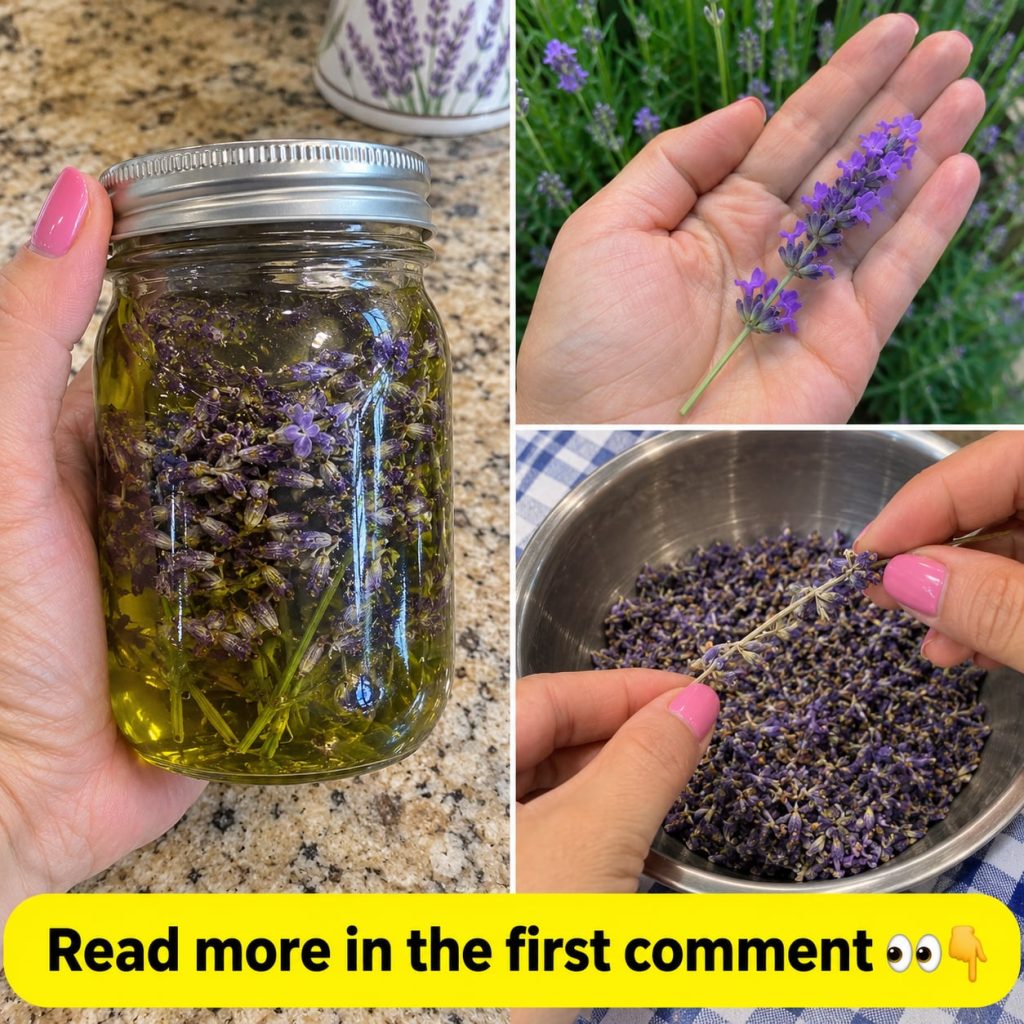
Lavender (Lavandula angustifolia, the English type, is the most common choice for home use) is a woody perennial herb. Its flower buds and leaves are used in homemade teas, infused oils, linen sachets, and simple bath preparations. Only the aerial parts are used, and the plant should be grown in full sun with well-drained soil.
Ingredients and Approximate Measurements
- Fresh lavender flower spikes: about 1 cup loosely packed
- Dried lavender buds: about 2 tablespoons per cup of water for tea
- Carrier oil for infusion (sweet almond or olive oil): about 1 cup
- Clean glass jar with a tight lid
Formula and Step-by-Step Method
For a simple lavender tea, steep 1 teaspoon of dried buds in 1 cup of hot water covered for 5 to 7 minutes, then strain. For a basic infused oil, fill a clean, fully dry jar about halfway with fresh flower spikes, cover with carrier oil until the herbs are submerged by about one inch, seal, and store in a warm, dark place for 2 to 4 weeks, shaking gently every few days. Strain through a fine cloth into a clean bottle.
How to Use It
Lavender tea is typically enjoyed as a warm drink in the evening. Infused oil can be applied to small areas of skin as a massage oil after a patch test. Dried buds can be tucked into a small fabric sachet and placed in a drawer or wardrobe.
How Often to Use It
Keep use occasional rather than daily. One cup of tea in the evening or a light oil application a few times a week is a reasonable starting point for most people. Stop if you notice irritation or discomfort.
How to Choose Ingredients
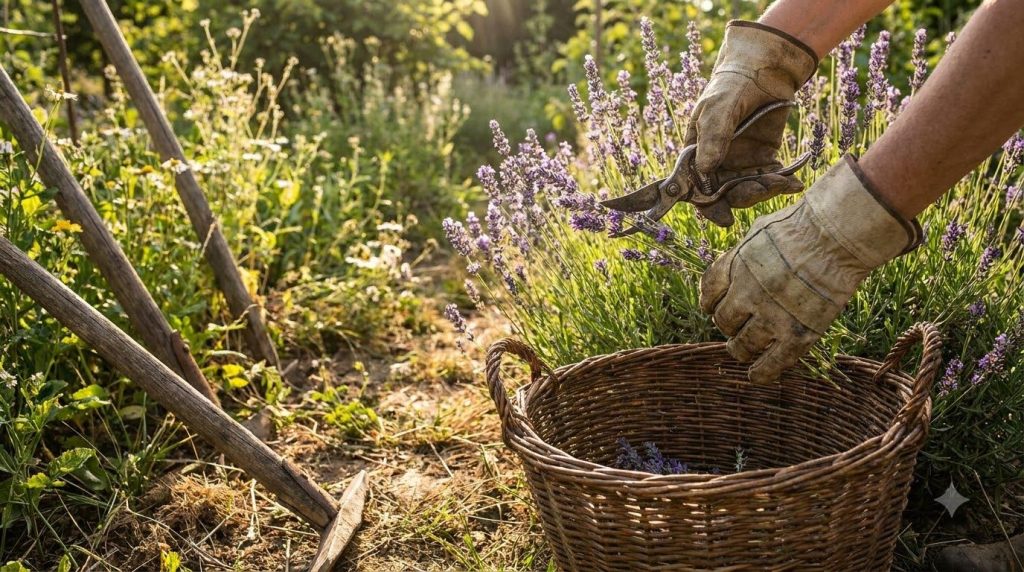
If you grow your own plant, harvest flower spikes when about one third to one half of the buds have opened. If buying dried lavender, look for buds that are bluish-purple, fragrant, and free of dust or stems that look brown and brittle.
Quick Tip: Fresh flowers are better for a bright, floral infusion, while dried buds are easier to store and give a more consistent tea.
Fresh vs Dried Lavender
| Type | Best Use | Shelf Life |
|---|---|---|
| Fresh spikes | Oil infusion, short-term tea | Use within 1 to 2 days |
| Dried buds | Tea, sachets, bath blends | Up to 1 year in a sealed jar |
| Infused oil | Massage and skin care | About 6 months, refrigerated after opening |
Storage
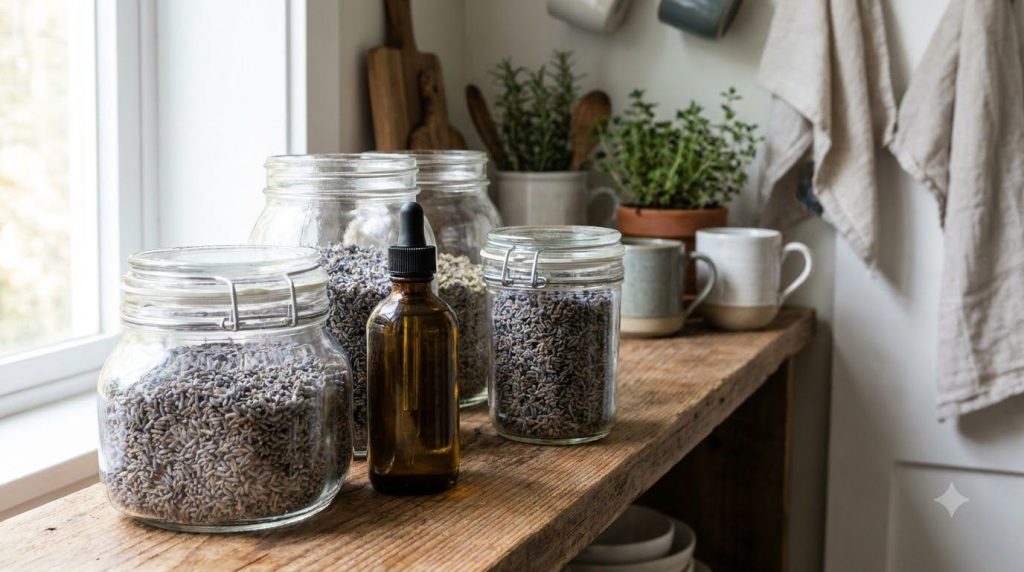
Dry bundles upside down in a dark, airy room for 1 to 2 weeks. Store dried buds in an airtight glass jar away from sunlight. Keep infused oil in a labeled, dark bottle and refrigerate it if you do not use it within a few weeks.
Practical Tips
- Choose a dry morning for harvesting, after the dew has evaporated.
- Label every jar with the date you made it.
- Use a fine strainer or cheesecloth to remove all plant material from oils.
Common Mistakes
- Using wet flowers, which leads to mold in oil or jars.
- Boiling lavender for tea, which can make it taste bitter. Pour hot water over it instead.
- Storing herbs in clear jars on a sunny windowsill.
- Harvesting from plants that have been treated with garden sprays.
- Skipping a patch test before applying an oil to skin.
Cautions and Who Should Avoid It
Lavender is not suitable for everyone. Avoid applying undiluted essential oils to skin, keep preparations away from young children unless a pediatric professional advises otherwise, and speak with a healthcare provider before using lavender if you are pregnant, breastfeeding, taking medication, or managing a health condition. Stop use if you notice rash, itching, or headache.
Quick Summary
- Best preparation: Dried buds for tea and sachets; fresh spikes for oil infusion.
- Best use case: Calming evening tea and simple home skin-care blends.
- Storage: Airtight, dark glass, cool and dry.
- When to use: Occasionally, a few times a week at most.
- What to avoid: Wet plant material, boiling, sprayed plants, and undiluted application to skin.
Frequently Asked Questions
Can I use fresh or dried lavender?
Both work. Fresh flowers suit oil infusions, while dried buds are better for tea and long-term storage.
How long does homemade lavender oil last?
Most infused oils last about 6 months when kept cool and dark. Discard if the oil smells rancid.
Can I refrigerate lavender oil?
Yes. Refrigeration can extend freshness, especially once the bottle has been opened.
Can I freeze fresh lavender?
Freezing is possible for short-term storage, but drying gives a more reliable result for tea.
Can I reuse lavender tea leaves?
A second steep is possible but much weaker. It is better to use fresh buds for each cup.
Which part of the plant is best?
The flower buds are the most commonly used part, with leaves used in smaller amounts.
When should I avoid lavender?
Avoid it if you have a known allergy, are pregnant or breastfeeding without medical advice, or are using sedating medication.
Conclusion
A backyard lavender plant can supply a practical home supply of tea buds and infusion material when harvested, dried, and stored carefully. Start small, label your jars, and keep your use simple.
You may also like: Read more about growing herbs in containers.
Related remedy: See the full guide to homemade herbal tea blends.