Nourish Your Gut, Transform Your Health!
Did you know that the health of your gut plays a surprisingly huge role in your overall well-being? It’s true! Our gut, often referred to as our ‘second brain,’ is home to trillions of microorganisms collectively known as the gut microbiome. This intricate ecosystem influences everything from our digestion and immunity to our mood and energy levels. Nourishing your microbiome with key foods isn’t just about feeling good in your belly; it’s about supporting your entire body from the inside out.
It’s amazing how much difference simple dietary choices can make. By incorporating certain everyday heroes into your meals, you can help cultivate a thriving gut environment, leading to a noticeable improvement in how you feel each day. Let’s explore how to nourish your gut and unlock its transformative power for your health.
[IMAGE PLACEHOLDER: An illustrative infographic showing the gut-brain connection and the various aspects of health influenced by gut microbiome, such as digestion, immunity, mood, and energy levels.]
What is Gut Health and Why Does It Matter?
Your gut microbiome is a complex community of bacteria, fungi, viruses, and other microorganisms living in your digestive tract, particularly in the large intestine. While some bacteria can be harmful, many are beneficial and essential for our health. They help digest food, produce vitamins (like B vitamins and vitamin K), metabolize medications, and play a crucial role in immune system development and function.
When the balance of these microorganisms is disrupted – often due to diet, stress, antibiotics, or environmental factors – it can lead to a state called dysbiosis. This imbalance is associated with various health concerns, including digestive issues, weakened immunity, and even mood disorders. Therefore, maintaining a diverse and balanced gut microbiome is fundamental to optimal health.
Key Benefits of a Healthy Gut
- Improved Digestion: A balanced gut flora can help break down food more efficiently, reduce bloating, gas, and discomfort, and promote regular bowel movements.
- Stronger Immunity: A significant portion of your immune system resides in your gut. A healthy microbiome helps train immune cells and creates a protective barrier against pathogens.
- Enhanced Mood and Brain Function: The gut-brain axis is a direct communication pathway between your gut and your brain. Gut bacteria produce neurotransmitters, including serotonin (a key mood regulator), which can influence mood, stress, and cognitive function.
- Better Nutrient Absorption: A healthy gut lining and efficient digestion mean your body can absorb more vital nutrients from the food you eat.
- Weight Management Support: Research suggests that the composition of gut bacteria may play a role in metabolism and how your body stores fat.
Everyday Heroes: Gut-Friendly Foods to Incorporate
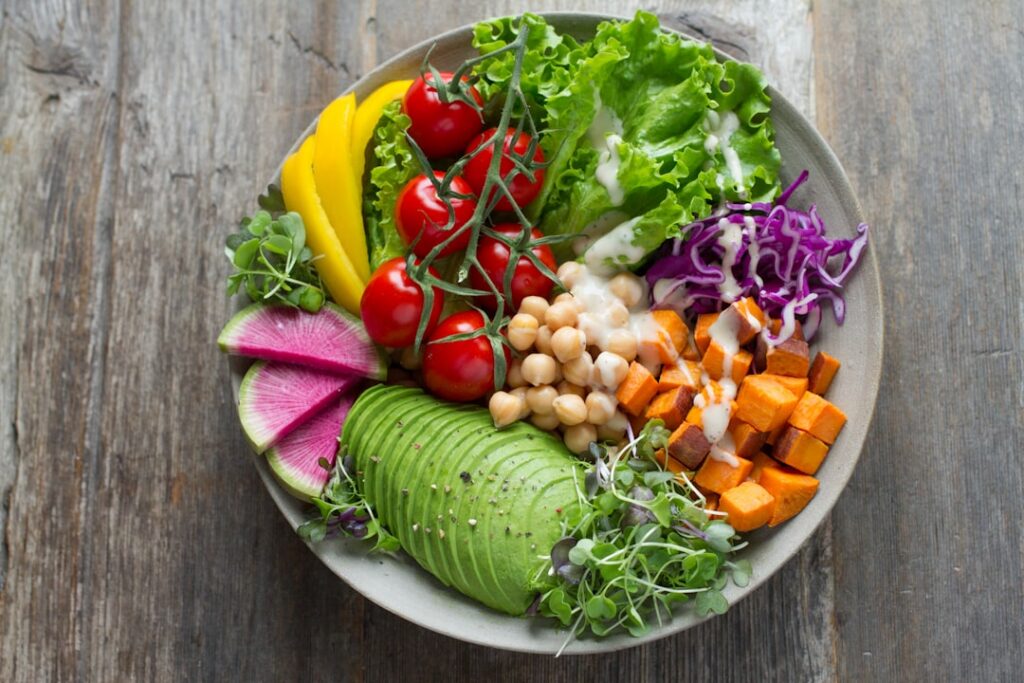
Building a robust gut microbiome doesn’t require drastic measures. Simple, consistent dietary choices can make a significant difference. Here are some categories of foods that are commonly associated with supporting gut health:
Fermented Foods
These foods contain beneficial live bacteria and yeasts, known as probiotics, which can help replenish and diversify your gut microbiome.
- Yogurt and Kefir: Look for plain, unsweetened varieties with live and active cultures.
- Kimchi and Sauerkraut: Fermented cabbage dishes that are rich in probiotics and fiber.
- Tempeh and Miso: Fermented soybean products, excellent plant-based protein sources.
- Kombucha: A fermented tea that can introduce a variety of beneficial bacteria.
Fiber-Rich Foods
Fiber acts as a prebiotic, feeding the beneficial bacteria in your gut. It also adds bulk to stool and promotes regularity.
- Fruits: Berries, apples, bananas, pears.
- Vegetables: Leafy greens, broccoli, carrots, sweet potatoes.
- Whole Grains: Oats, quinoa, brown rice, whole wheat bread.
- Legumes: Lentils, chickpeas, black beans.
Prebiotic Foods
These are specific types of fiber that are indigestible by human enzymes but are fermented by gut bacteria, stimulating their growth and activity.
- Garlic and Onions: Excellent sources of inulin and FOS (fructooligosaccharides).
- Asparagus: Another good source of inulin.
- Bananas: Especially slightly green ones, contain resistant starch.
- Oats: Contain beta-glucan, a prebiotic fiber.
Omega-3 Rich Foods
Omega-3 fatty acids are associated with reducing inflammation, which can indirectly support a healthy gut lining.
- Fatty Fish: Salmon, mackerel, sardines.
- Flaxseeds and Chia Seeds: Plant-based sources of ALA (alpha-linolenic acid), a type of omega-3.
- Walnuts: Another good plant-based source of omega-3s.
Practical Tips for a Gut-Healthy Lifestyle
Beyond specific foods, several lifestyle factors contribute to a healthy gut:
- Stay Hydrated: Water is essential for proper digestion and helps move fiber through your digestive system.
- Manage Stress: Chronic stress can negatively impact your gut microbiome and gut barrier function. Incorporate stress-reducing activities like meditation, yoga, or spending time in nature.
- Get Enough Sleep: Sleep deprivation can affect gut bacteria composition. Aim for 7-9 hours of quality sleep per night.
- Limit Processed Foods and Sugar: These can feed harmful bacteria and contribute to inflammation in the gut.
- Exercise Regularly: Physical activity is associated with a more diverse and beneficial gut microbiome.
Important Considerations
Please remember that the information provided here is for educational purposes only and is not intended as medical advice. Always consult with a healthcare professional before making significant dietary changes, especially if you have underlying health conditions or concerns.
Ready to Transform Your Health from Within?
Incorporating these gut-friendly foods into your daily routine is a delicious and effective way to support your overall health. Small changes can lead to big results when it comes to nurturing your microbiome. Experiment with new ingredients, discover new flavors, and enjoy the journey to a healthier gut and a healthier you.
Which of these gut-friendly foods is already a staple in your diet, or which one are you excited to try first? Let us know in the comments below!