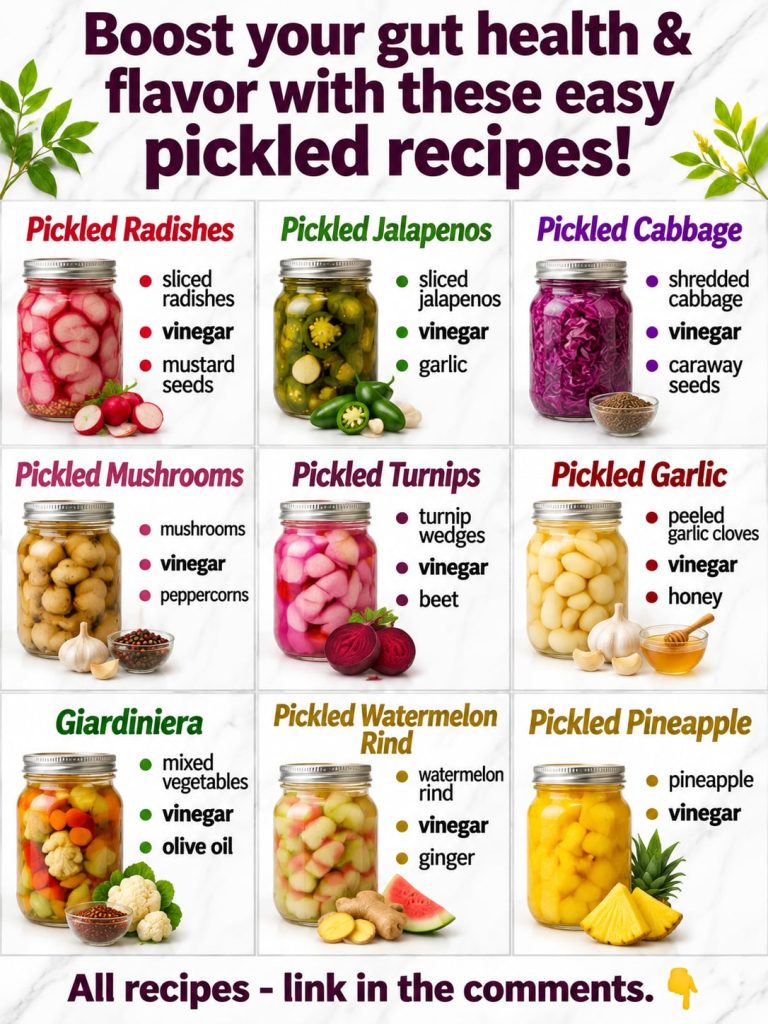
Pickled foods are often valued for their bold, tangy flavor, but they may also have a place in a balanced approach to eating. Many people are curious about how pickling can support gut health and why it is becoming popular for home cooks. This guide explains the basics of pickling at home, what the fermented and pickled foods are commonly associated with, and how to get started with simple, safe methods.
Why Pickling Is Worth Trying at Home
Pickling is one of the oldest ways to preserve vegetables and other fresh foods. Done at home, it lets you turn everyday produce into flavorful side dishes, sandwich toppers, and snacks that keep for weeks in the refrigerator. It is also a practical way to reduce food waste, since surplus vegetables can be preserved instead of thrown away.
Beyond flavor, pickled foods are often discussed for their potential role in digestive health. Some pickled foods are made through fermentation, which may introduce beneficial microorganisms, while others are made with vinegar-based brines. Both styles can add variety to a diet built around vegetables, and research on how specific pickled foods affect the gut is still developing.
The Basics of Making Pickled Foods
Most home pickling follows a simple pattern: prepare fresh vegetables, pack them into clean jars, cover them with a seasoned brine, and allow them to rest until the flavors develop. The exact ingredients and proportions depend on the recipe, so it helps to follow a tested method when you are starting out.
Choose Fresh, Firm Produce
Firm, fresh vegetables hold their texture best in the brine. Wash them thoroughly, remove any bruised areas, and cut them into even pieces so they pickle at a consistent rate.
Use Clean Jars and Equipment
Sterilize jars and lids before use, and keep your hands and utensils clean throughout the process. Cleanliness is one of the most important factors in preventing spoilage.
Keep Vegetables Submerged
Make sure everything stays under the brine. Vegetables exposed to air are more likely to spoil or develop an unpleasant texture, so use a small weight or a smaller jar if needed to keep them covered.
Simple Tips for Better Results
- Start with small batches so you can learn how different flavors develop over time.
- Label each jar with the date so you know when it was made.
- Taste a small amount after a few days, then decide whether it needs more time.
- Store pickled foods in the refrigerator unless a tested recipe specifically says otherwise.
Storage and Safety Notes
Properly prepared pickled foods can be stored for several weeks when refrigerated. Discard any jar that shows mold, has an off smell, or looks cloudy in a way that seems unusual. When in doubt, throw it out. If you are fermenting foods, follow reliable guidance on salt levels and temperature, since these affect safety and results.
People with digestive conditions, high blood pressure, or other health concerns should be mindful of sodium content in pickled foods and speak with a qualified healthcare professional before making major dietary changes.
Getting the Full Recipes
This article focuses on the core ideas behind easy pickled recipes and how to approach them safely at home. For the complete ingredient measurements and step-by-step instructions, refer to the full guide linked from the original post, and compare it with a trusted preserving resource before you begin.
Final Thoughts
Easy pickled recipes can be a practical way to add flavor, reduce food waste, and enjoy more vegetables throughout the week. Start with simple methods, keep your equipment clean, and focus on fresh produce. Used as part of a balanced diet, homemade pickled foods may be a satisfying addition to your kitchen routine.
Medical disclaimer: This article is for general information only and is not a substitute for professional medical advice. Consult a qualified healthcare professional for guidance about your digestive health or dietary needs.