Nourish Your Heart: Essential Foods to Lower Cholesterol
Taking care of your heart is one of the most profound ways to invest in your overall well-being. A crucial aspect of heart health involves maintaining healthy cholesterol levels. While cholesterol often gets a bad rap, it’s essential for many bodily functions. The key is understanding the different types and how diet plays a significant role in managing them.
High levels of low-density lipoprotein (LDL) cholesterol, often referred to as ‘bad’ cholesterol, can contribute to plaque buildup in your arteries, increasing the risk of heart disease. Conversely, high-density lipoprotein (HDL) cholesterol, or ‘good’ cholesterol, helps remove excess cholesterol from your body. The good news is that by making mindful food choices, you can actively support healthy cholesterol levels and promote a robust heart.
Understanding Cholesterol and Its Impact
Cholesterol is a waxy, fat-like substance found in all your body’s cells. Your body needs cholesterol to make hormones, vitamin D, and substances that help you digest foods. Your liver produces all the cholesterol you need. However, you also get cholesterol from foods you eat, particularly animal products.
- LDL (Low-Density Lipoprotein) Cholesterol: Often called ‘bad’ cholesterol because a high level can lead to plaque buildup in your arteries, narrowing them and restricting blood flow.
- HDL (High-Density Lipoprotein) Cholesterol: Known as ‘good’ cholesterol because it helps remove excess cholesterol from your arteries and transport it back to the liver for removal from the body.
By focusing on foods that can help lower LDL and increase HDL, you empower your body to maintain a healthier balance.
Top Foods to Support Healthy Cholesterol Levels
1. Oats and Barley (Soluble Fiber Powerhouses)
Start your day with a bowl of oatmeal! Both oats and barley are rich in a type of soluble fiber called beta-glucan. Soluble fiber acts like a sponge in your digestive system, binding to cholesterol and preventing its absorption into the bloodstream. Research suggests that consuming soluble fiber can significantly help reduce LDL cholesterol levels.
2. Legumes (Beans, Lentils, Chickpeas)
Legumes are incredibly versatile and packed with soluble fiber, protein, and various minerals. Regular consumption of beans, lentils, and chickpeas can contribute to lower LDL cholesterol. They also help you feel full, which can aid in weight management, another factor in heart health.
3. Nuts and Seeds (Healthy Fats and Plant Sterols)
Almonds, walnuts, chia seeds, and flaxseeds are excellent sources of monounsaturated and polyunsaturated fats, which are beneficial for heart health. Walnuts, in particular, are rich in omega-3 fatty acids. Many nuts also contain plant sterols, compounds that block the absorption of cholesterol in the intestine. Remember to enjoy them in moderation due to their calorie density.
4. Avocados (Monounsaturated Magic)
Creamy and delicious, avocados are a fantastic source of monounsaturated fatty acids (MUFAs), which are known to help reduce LDL cholesterol levels and may also raise HDL cholesterol. They are also rich in fiber and potassium, both beneficial for heart health.
5. Fatty Fish (Omega-3 Fatty Acids)
Fish like salmon, mackerel, herring, and sardines are champions of heart health due to their high content of omega-3 fatty acids. Omega-3s are renowned for their anti-inflammatory properties and ability to help lower triglycerides, another type of fat in the blood that can impact heart health.
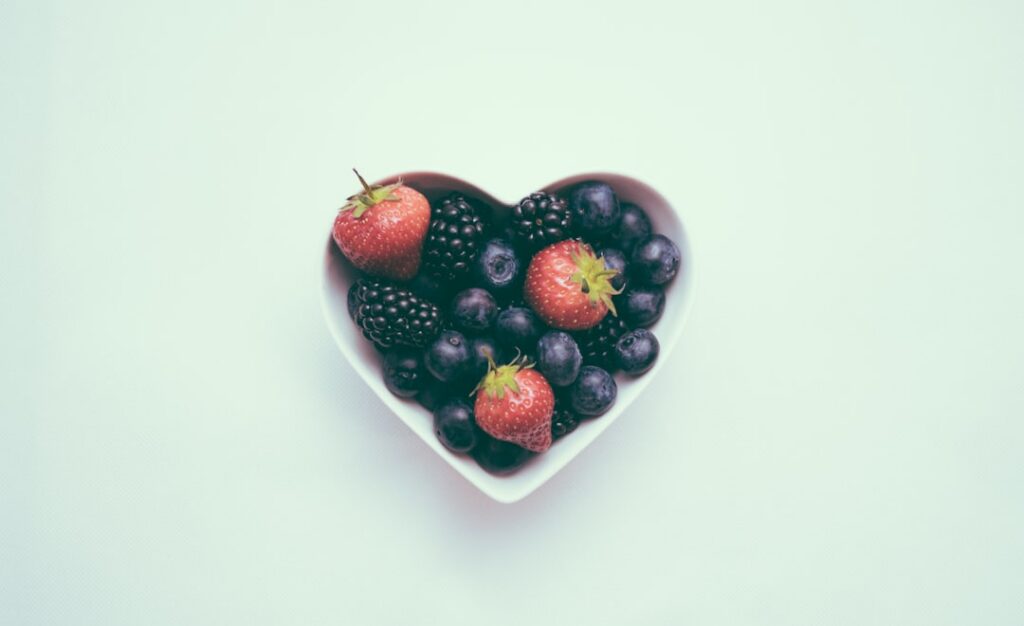
6. Berries and Fruits (Antioxidants and Fiber)
Apples, grapes, citrus fruits, and especially berries (like blueberries, strawberries, and raspberries) are loaded with soluble fiber and powerful antioxidants. These compounds not only help lower cholesterol but also protect against oxidative damage to arteries.
7. Olive Oil (The Mediterranean Diet Staple)
Extra virgin olive oil is a cornerstone of the Mediterranean diet and a superb source of monounsaturated fatty acids. Using olive oil in place of saturated and trans fats can help lower LDL cholesterol while potentially boosting HDL cholesterol.
8. Vegetables (Fiber and Essential Nutrients)
All vegetables are good for you, but leafy greens like spinach and kale, as well as cruciferous vegetables like broccoli and Brussels sprouts, are particularly beneficial due to their high fiber content and various vitamins, minerals, and antioxidants. These nutrients collectively support cardiovascular health.
Practical Tips for Incorporating Heart-Healthy Foods
- Swap out: Replace butter with olive oil when cooking. Choose whole grains like oats and barley over refined grains.
- Snack smart: Grab a handful of nuts or a piece of fruit instead of processed snacks.
- Boost your meals: Add legumes to soups, salads, and stews. Incorporate avocado into sandwiches or as a side.
- Fish twice a week: Aim for at least two servings of fatty fish per week.
- Fiber up: Always look for ways to add more fruits and vegetables to every meal.
Important Considerations
While dietary changes are a powerful tool for managing cholesterol, it’s important to remember that they are just one component of a holistic approach to heart health. Lifestyle factors such as regular physical activity, maintaining a healthy weight, and avoiding smoking also play critical roles. Moreover, genetics can influence cholesterol levels, meaning diet alone may not be sufficient for everyone.
Always consult with a healthcare professional or a registered dietitian before making significant changes to your diet, especially if you have existing health conditions or are taking medication. This content is for educational purposes only and is not a substitute for professional medical advice or treatment.
Embrace a Heart-Healthy Lifestyle
Nourishing your heart with delicious, wholesome foods is a simple yet powerful step towards a healthier, more vibrant you. By consciously choosing ingredients rich in beneficial compounds like fiber and healthy fats, you can actively support healthy cholesterol levels and your overall well-being. Make these dietary choices a joyful part of your wellness journey, savoring every bite as you invest in your long-term health!