Unlock Your Vitality: The Power of Healthy Fats
When you think about ‘fats,’ what comes to mind? For many, it’s often a word associated with unhealthy eating. However, not all fats are created equal! Healthy fats are absolutely essential for so much more than just energy – they play a vital role in keeping your brain sharp, balancing your hormones, and ensuring your body can properly absorb vital nutrients. It’s time to shift our perspective and embrace these incredible powerhouses that help your body truly thrive.
Understanding the difference between healthy and unhealthy fats is crucial for your well-being. While trans fats and excessive saturated fats should be limited, monounsaturated and polyunsaturated fats (including Omega-3s) are celebrated for their numerous benefits. Let’s dive into some of the best sources to incorporate into your daily diet.

8 Amazing Foods Packed with Beneficial Fats
1. Avocados
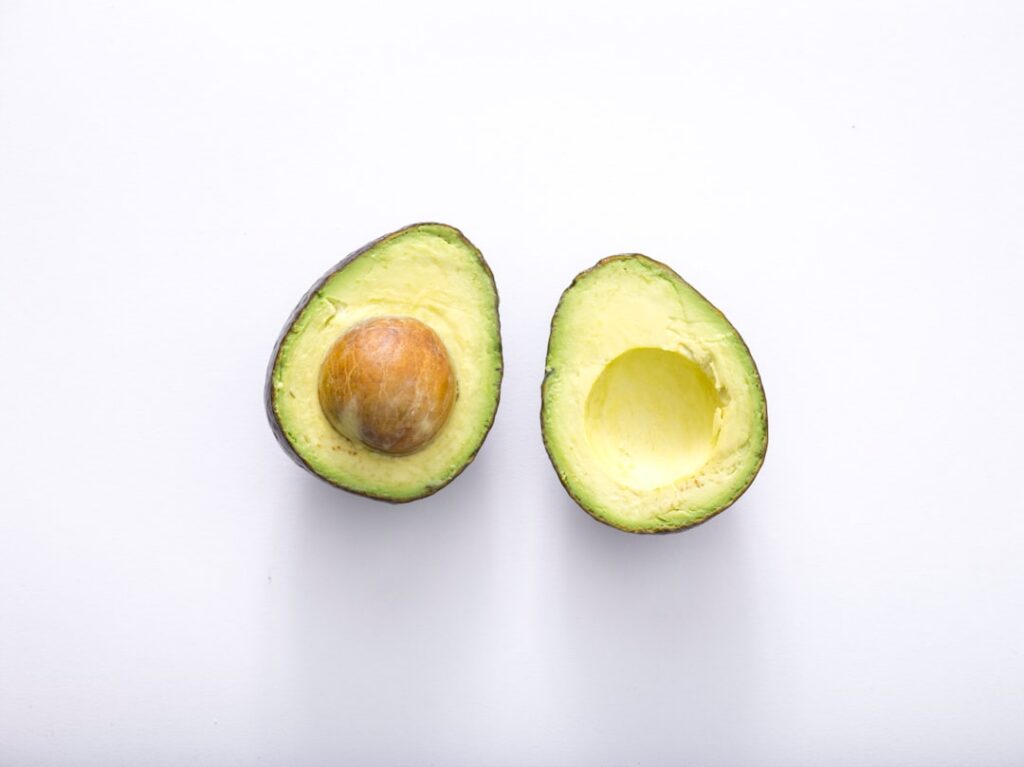
Often called a ‘superfood,’ avocados are rich in monounsaturated fats, particularly oleic acid, which is associated with supporting heart health. They also provide fiber, potassium, and vitamins K, C, B6, and E. Adding avocado to your salads, sandwiches, or smoothies can be a delicious way to get these beneficial fats.
2. Fatty Fish
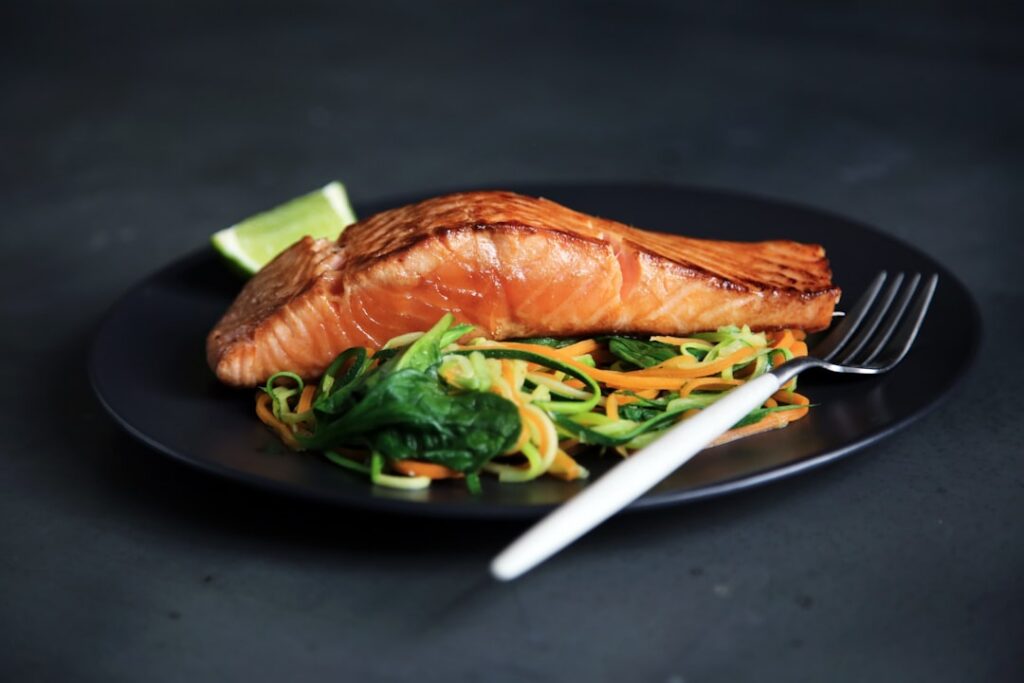
Salmon, mackerel, sardines, and trout are excellent sources of Omega-3 fatty acids, specifically EPA and DHA. Research suggests that these fatty acids may help support brain function, reduce inflammation, and promote heart health. Aim for two servings of fatty fish per week.
3. Nuts
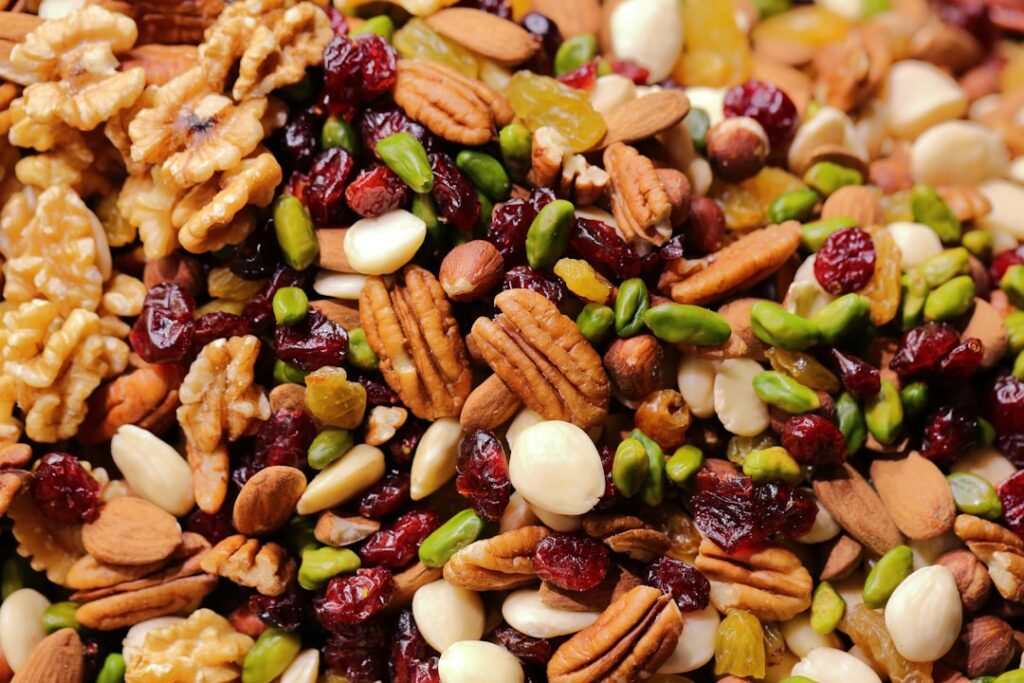
Almonds, walnuts, pecans, and cashews are packed with healthy fats, fiber, and protein. Walnuts, in particular, are known for their high Omega-3 content (ALA). A handful of nuts can be a satisfying and nutritious snack, but remember they are calorie-dense, so moderation is key.
4. Seeds
Flaxseeds, chia seeds, and hemp seeds are small but mighty. They are excellent sources of Omega-3s (ALA), fiber, and protein. You can easily sprinkle them over yogurt, oatmeal, or blend them into smoothies to enhance their nutritional value.

5. Extra Virgin Olive Oil
A staple of the Mediterranean diet, extra virgin olive oil is rich in monounsaturated fats and antioxidants. It’s best used for dressings, drizzling over dishes, or light sautéing. Its unique compounds are commonly associated with supporting heart health.

6. Dark Chocolate
Good news for chocolate lovers! High-quality dark chocolate (with at least 70% cocoa) contains healthy fats, fiber, iron, magnesium, and powerful antioxidants. Enjoying a small piece in moderation may offer some heart-healthy benefits.

7. Eggs
Once demonized for their cholesterol content, eggs are now recognized as a highly nutritious food. The yolks contain healthy fats, protein, vitamins, and minerals, including choline, which is important for brain health. Enjoying whole eggs as part of a balanced diet is widely encouraged.

8. Full-Fat Yogurt
While low-fat options are common, full-fat yogurt (especially Greek yogurt) can be a fantastic source of healthy fats, protein, and probiotics. These probiotics may help support gut health. Choose plain, unsweetened varieties and add your own fruit for natural sweetness.

Incorporating Healthy Fats into Your Diet
Adding these healthy fat sources to your daily meals can be simple and delicious:
- Use avocado slices in salads, sandwiches, or as a creamy spread.
- Snack on a handful of nuts or seeds.
- Drizzle extra virgin olive oil over vegetables, salads, or whole-grain bread.
- Add flaxseeds or chia seeds to your morning oatmeal, yogurt, or smoothies.
- Enjoy fatty fish like salmon or mackerel a couple of times a week.
- Opt for plain, full-fat yogurt and add berries or a sprinkle of seeds.
Remember, balance and variety are key to a healthy diet. By consciously choosing these nutritious options, you’ll be fueling your body with the beneficial fats it needs to function optimally and feel your best.
Important Disclaimer
This article is for informational purposes only and is not intended as a substitute for professional medical advice, diagnosis, or treatment. Always seek the advice of your physician or other qualified health provider with any questions you may have regarding a medical condition or before making any changes to your diet or health regimen.