Testosterone is a vital hormone, not just for men’s health, but for overall well-being, influencing energy levels, mood, muscle mass, and bone density. While its levels can fluctuate due to many factors, your diet plays a significant role in naturally supporting healthy testosterone production. Embracing nutrient-rich foods can be a simple, effective step towards boosting your vitality and maintaining hormonal balance.
In this article, we’ll explore 12 power-packed foods that, when incorporated into a balanced diet, may help support healthy testosterone levels and contribute to your overall vigor. Discover how simple dietary choices can naturally fuel your health.
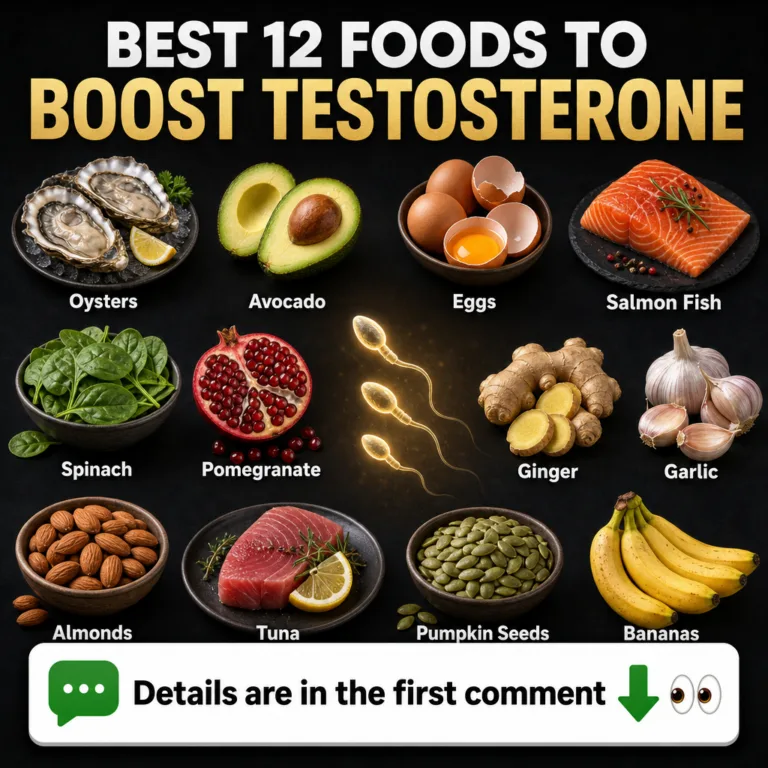
12 Power-Packed Foods to Naturally Support Testosterone
Here are 12 remarkable foods that can be integrated into your daily routine to help maintain optimal hormone health.
1. Oysters
Often hailed as an aphrodisiac, oysters are incredibly rich in zinc, a mineral crucial for testosterone production. Zinc deficiency is commonly associated with lower testosterone levels, making oysters an excellent dietary choice for supporting male vitality.
2. Avocado
Avocado is a fantastic source of healthy monounsaturated fats, which are essential building blocks for hormone production, including testosterone. It also provides Vitamin E, an antioxidant that may help protect cells, contributing to overall reproductive health.
3. Eggs
A true superfood, eggs contain cholesterol, a precursor to steroid hormones like testosterone. They are also packed with Vitamin D (especially if pasture-raised), protein, and selenium, all of which play a role in hormone regulation and overall endocrine function.
4. Salmon Fish
Fatty fish like salmon are celebrated for their high content of Omega-3 fatty acids, which are vital for hormonal balance. Additionally, salmon is one of the few natural food sources of Vitamin D, a nutrient directly linked to healthy testosterone levels.
5. Spinach
This leafy green powerhouse is loaded with magnesium, a mineral that has been shown to increase levels of free testosterone in the body. Spinach also provides iron and folate, supporting overall energy and cellular health.
6. Pomegranate
Rich in antioxidants, pomegranate may help reduce oxidative stress throughout the body, including in cells involved in hormone production. Some studies suggest that regular consumption of pomegranate juice can have a positive effect on testosterone levels.
7. Ginger
Ginger, a root with potent anti-inflammatory and antioxidant properties, has been traditionally used to support various aspects of health. Research indicates it may play a role in supporting reproductive health and maintaining healthy hormone levels.
8. Garlic
Garlic contains a compound called allicin, which may help reduce cortisol, a stress hormone that can negatively impact testosterone production. By managing stress, garlic can indirectly contribute to better hormonal balance.
9. Almonds
Almonds are a great source of healthy fats, magnesium, and zinc – all key nutrients for testosterone synthesis and regulation. They also offer Vitamin E and beneficial protein, supporting overall well-being and cellular function.
10. Tuna
Like salmon, tuna is an excellent source of Vitamin D, which is essential for hormone health. It’s also a lean protein source, supporting muscle maintenance and overall metabolic health, both of which are intertwined with healthy testosterone levels.
11. Pumpkin Seeds
Pumpkin seeds are tiny nutritional powerhouses, providing zinc and magnesium in abundance. These minerals are critical for numerous bodily functions, including maintaining healthy testosterone. They also offer healthy fats and antioxidants.
12. Bananas
Bananas are rich in B vitamins and potassium, which are important for overall energy production and nerve function. While not a direct testosterone booster, bananas contribute to overall vitality and energy, which are crucial for a healthy hormonal profile.
Integrating Testosterone-Supporting Foods into Your Diet
Incorporating these foods into your daily meals can be both delicious and beneficial. Think about adding a handful of almonds to your breakfast, salmon or tuna to your lunch, or a spinach and avocado salad for dinner. Oysters and pomegranate can be special additions that bring both flavor and a health boost.
For those looking to maintain vitality, focusing on a diet rich in these natural testosterone-supporting foods is a positive step. Remember that consistency and a balanced approach to nutrition are key.
Frequently Asked Questions About Testosterone and Diet
Can certain foods really boost testosterone?
While no single food acts as a magic bullet, a diet rich in specific nutrients like zinc, Vitamin D, and healthy fats can significantly support your body’s natural testosterone production and help maintain healthy levels.
How long does it take for diet to affect testosterone levels?
Dietary changes can start impacting your hormone levels within weeks, but noticeable changes and sustained benefits typically require consistent adherence to a nutrient-rich diet over several months.
Are there any foods to avoid for healthy testosterone levels?
Limiting highly processed foods, excessive sugar, trans fats, and excessive alcohol consumption is generally recommended, as these can negatively impact overall hormone balance and health.
Should I consult a doctor before making significant dietary changes?
Yes, especially if you have underlying health conditions or are taking medications. A healthcare professional can provide personalized advice and ensure any dietary changes are safe and appropriate for you.