This healthy baked Greek yogurt cheesecake is a lighter take on the San Sebastian style cheesecake. It has a deeply caramelized top, a creamy center, and a soft, custard-like texture. Greek yogurt replaces part of the cream cheese, so the dessert feels lighter while keeping a rich, tangy flavor.
It is simple to make, needs only one bowl for the batter, and works well for a weeknight treat or a casual gathering.
Why You’ll Love This Recipe
- Simple method: You mix the batter in one bowl and bake it without a water bath.
- Lighter than a classic version: Greek yogurt lowers the amount of cream cheese needed.
- Rich, creamy texture: The center stays smooth and custardy when baked properly.
- Tangy flavor: Greek yogurt and lemon zest balance the sweetness.
- Easy to serve: It can be served plain, with fresh fruit, or with a simple sauce.
Ingredients
The original notes did not include measurements, so the amounts below are practical estimates for an 8-inch (20 cm) springform or round pan.
- 16 oz (450 g) full-fat cream cheese, softened to room temperature
- 1 cup (240 g) plain full-fat Greek yogurt, at room temperature
- 3/4 cup (150 g) granulated sugar
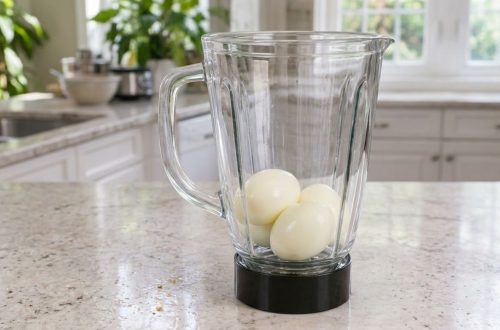
- 3 large eggs, at room temperature
- 1 tbsp (8 g) cornstarch or all-purpose flour
- 1 tsp (5 ml) vanilla extract
- Zest of 1 lemon (about 1 tsp)
- Pinch of salt
Ingredient Notes
Full-fat cream cheese gives the cheesecake its structure and creamy body. Low-fat versions may bake up looser and less smooth.
Plain Greek yogurt adds tang and lightness. Use plain, unsweetened yogurt and avoid flavored varieties.
Cornstarch or flour helps the center set without becoming dry. A small amount is enough.
Eggs bind the batter and help create the custard-like texture.
Equipment You’ll Need
- 8-inch (20 cm) round pan or springform pan
- Parchment paper
- Mixing bowl and electric mixer or sturdy whisk
- Rubber spatula
- Oven thermometer, if you have one
How to Make Healthy Baked Greek Yogurt Cheesecake
- Preheat and prepare the pan. Heat the oven to 400°F (200°C). Line the pan with parchment paper, letting it extend slightly above the rim so the top can brown freely.
- Soften the cream cheese. Beat the cream cheese on medium speed for 1 to 2 minutes until smooth and free of lumps. It should look creamy, not fluffy.
- Add the sugar. Add the sugar and beat for about 1 minute until fully blended.
- Blend in the yogurt. Add the Greek yogurt, vanilla, lemon zest, and salt. Mix on low speed until smooth, about 30 seconds.
- Add the eggs and cornstarch. Add the eggs one at a time, mixing on low speed after each one until just combined. Sprinkle in the cornstarch and mix briefly. Scrape down the bowl. The batter should be smooth and pourable.
- Fill the pan. Pour the batter into the prepared pan and gently tap it on the counter to release air bubbles.
- Bake. Bake for about 25 to 35 minutes. The top should be deep golden brown in spots and the edges should look set. The center should still jiggle slightly when you gently shake the pan. This timing is an estimate and depends on your oven.
- Cool gradually. Turn off the oven, leave the door slightly open, and let the cheesecake cool inside for 30 minutes. Then cool it on the counter for about 1 hour.
- Chill. Refrigerate the cheesecake for at least 4 hours, or overnight, until firm enough to slice cleanly.
Pro Tips for the Best Results
- Bring the cream cheese, yogurt, and eggs to room temperature before mixing to prevent lumps.
- Mix on low speed once the eggs are added to avoid trapping extra air in the batter.
- Look for a deep brown top rather than a pale one. That color is part of the San Sebastian style.
- Use an oven thermometer if your oven runs hot or cold, since browning depends heavily on temperature.
- Let the cake cool slowly to reduce cracking.
- Slice with a knife dipped in hot water and wiped dry between cuts for clean edges.
Common Mistakes to Avoid
- Overmixing after adding eggs: This can cause puffing and cracking. Mix only until combined.
- Using cold ingredients: Cold cream cheese creates lumps that do not fully smooth out.
- Taking it out too early: A cheesecake that jiggles wildly in the center is not set. Give it a few more minutes.
- Overbaking: A fully firm center can turn dry and grainy. Remove it while the center still wobbles slightly.
- Cutting it warm: The texture will be too soft. Chill it fully before slicing.
Variations and Substitutions
- Lemon-free version: Omit the zest and add 1/2 tsp of vanilla or a pinch of ground cinnamon.
- Honey sweetened: Replace up to 1/4 cup of the sugar with honey, though the color may brown faster.
- Fruit topping: Serve with fresh berries or a simple berry compote after chilling.
- Smaller pan: Use a 6-inch (15 cm) pan and reduce the baking time, checking early.
Serving Suggestions
Serve chilled or at cool room temperature for the best texture. Fresh berries, sliced peaches, or a spoonful of lightly sweetened yogurt all pair well with its tangy flavor. Coffee, black tea, or a dessert wine works nicely alongside.
Storage and Reheating
Cover the cheesecake loosely and refrigerate it for up to 4 days. Keep it refrigerated and do not leave it out for more than 2 hours. This cheesecake is best served cold, so reheating is not necessary.
To freeze, wrap the chilled cheesecake tightly in plastic wrap and foil and freeze for up to 1 month. Thaw overnight in the refrigerator before serving. The texture may be slightly softer after thawing.
Frequently Asked Questions
Why is the top so dark?
The dark top is part of the San Sebastian style. The high oven heat caramelizes the surface and creates a contrast with the creamy center. If you prefer a lighter top, lower the oven temperature slightly and bake a few minutes longer.
Can I make this cheesecake ahead of time?
Yes. It can be baked one or two days ahead and kept chilled. Making it ahead also helps the texture set.
Can I use low-fat cream cheese or yogurt?
You can, but the texture will be less creamy and may be looser. Full-fat ingredients give the best results.
Why did my cheesecake crack?
Cracks often come from overbaking, overmixing, or cooling too quickly. Bake until the center only slightly jiggles and let it cool gradually in the oven.
Do I need a water bath?
No. This style of cheesecake is baked at high heat without a water bath, which is part of what gives it the caramelized top and creamy center.
What is your favorite healthy dessert? Share it in the comments below.