In the vast world of nutrition, certain minerals often fly under the radar despite playing crucial roles in our health. Copper is one such essential mineral, vital for numerous bodily functions. While many foods contain copper, some stand out as true ‘kings’ in their concentration. Today, we’re putting three popular and delicious contenders head-to-head: cashews, cocoa, and sesame seeds, to see which one reigns supreme as a top copper source.
Understanding where to find this important mineral can empower you to make informed dietary choices and effortlessly boost your intake. Let’s delve into the world of copper and discover these nutritional powerhouses!
Why Copper Matters for Your Health
Copper is more than just a metal; it’s an essential trace mineral that your body needs to function optimally. It plays a significant role in several physiological processes, contributing to overall well-being. Here’s a closer look at its key functions:
- Energy Production: Copper is a component of enzymes that produce adenosine triphosphate (ATP), the body’s main energy currency.
- Iron Metabolism: It works with iron to form red blood cells and supports the absorption and utilization of iron.
- Immune System Support: Adequate copper levels are associated with a healthy immune system, helping the body defend against illness.
- Antioxidant Defense: Copper is a crucial part of superoxide dismutase (SOD), an important antioxidant enzyme that helps protect cells from damage caused by free radicals.
- Connective Tissue Formation: It’s essential for the formation of collagen and elastin, which are vital components of skin, bones, and blood vessels.
- Nervous System Function: Copper plays a role in nerve communication and the maintenance of myelin, the protective sheath around nerves.
Given its wide array of responsibilities, ensuring sufficient copper intake through your diet is incredibly important.
The Contenders: Cashew vs. Cocoa vs. Sesame
Now, let’s meet our ‘Copper Kings’ and see what makes them such excellent sources of this vital mineral, along with their other impressive nutritional benefits.
Cashews: A Creamy Copper Source
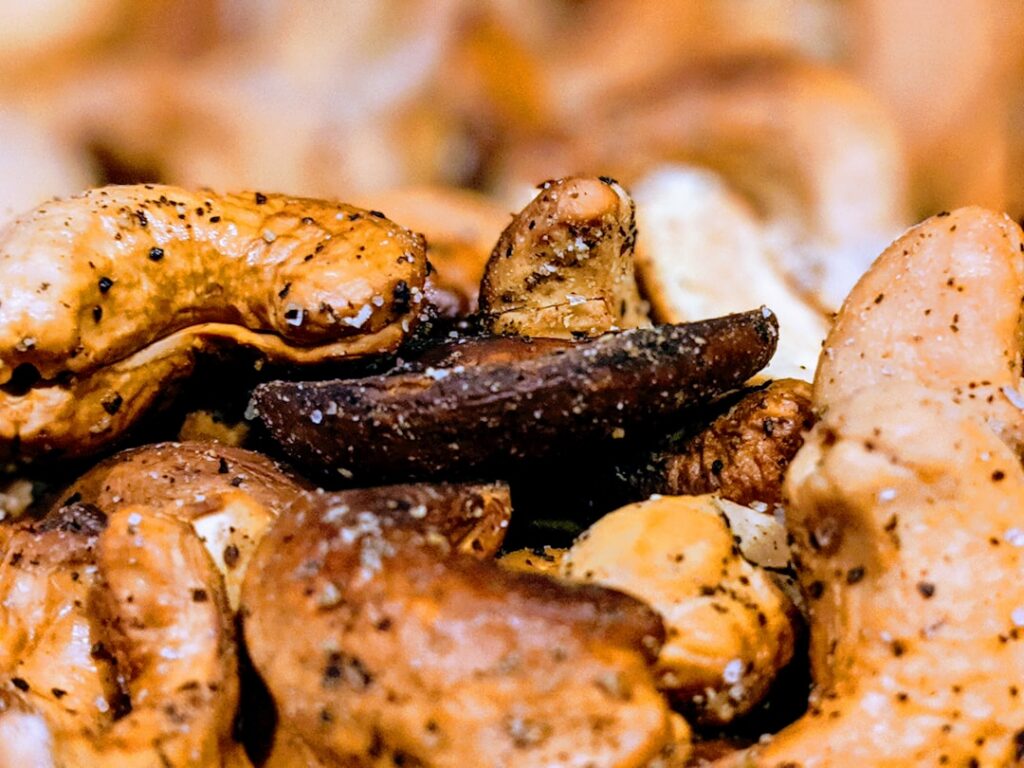
These kidney-shaped nuts are a beloved snack, known for their creamy texture and mild, buttery flavor. Beyond their culinary appeal, cashews are nutritional powerhouses.
- Copper Content: Cashews are an excellent source of copper, with a significant amount packed into a small serving.
- Other Benefits: They also provide healthy monounsaturated fats, protein, fiber, and other essential minerals like magnesium and zinc. These nutrients support heart health, bone density, and energy levels.
Cocoa: The Dark Delight

Often associated with indulgence, cocoa (especially unsweetened cocoa powder or dark chocolate with a high cocoa percentage) is a surprising and delicious source of several vital nutrients.
- Copper Content: Cocoa stands out for its remarkably high copper content, making it one of the richest plant-based sources.
- Other Benefits: It’s also famous for its potent antioxidants (flavonoids), which are associated with cardiovascular health benefits. Additionally, cocoa contains iron, magnesium, and manganese.
Sesame Seeds: Tiny Powerhouses
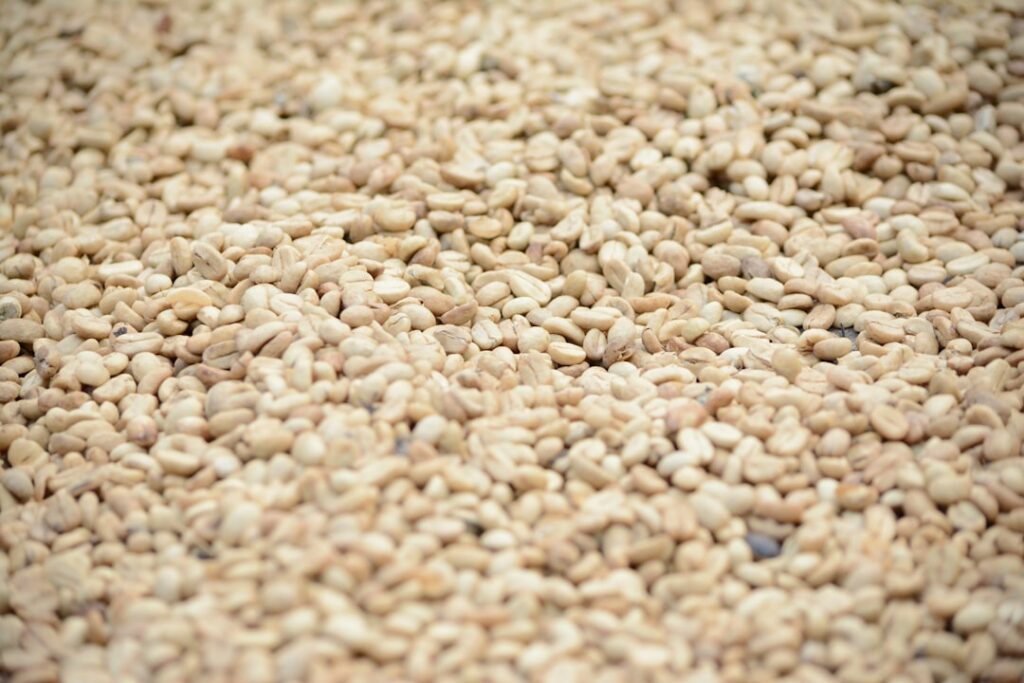
These small, flat, oval seeds are a staple in many cuisines worldwide, from topping bagels to forming the base of tahini. Despite their size, sesame seeds are mighty when it comes to nutrition.
- Copper Content: Sesame seeds, particularly unhulled varieties, are an exceptional source of copper.
- Other Benefits: They are also rich in healthy fats, fiber, protein, and other minerals like calcium, magnesium, and zinc. Lignans found in sesame seeds are studied for their potential antioxidant properties.
Who Reigns Supreme? Comparing Copper Content
While all three are fantastic sources of copper, if we’re crowning a true ‘Copper King’ based on concentration, cocoa often takes the lead, especially in its unsweetened powder form or high-percentage dark chocolate. Sesame seeds are also incredibly potent, often rivaling or exceeding cashews in copper content per serving. Cashews remain a very strong contender and a delicious way to boost your intake.
Remember, the exact copper content can vary slightly depending on the specific product, processing, and serving size. The key takeaway is that incorporating any of these foods regularly into your diet will significantly contribute to your copper intake.
Incorporating Copper-Rich Foods into Your Diet
Here are some practical and delicious ways to enjoy these copper-rich foods:
- Cashews:
- Enjoy as a snack, raw or roasted.
- Add to stir-fries or salads for crunch.
- Blend into creamy sauces or plant-based milks.
- Use in homemade trail mixes.
- Cocoa:
- Add unsweetened cocoa powder to smoothies, oatmeal, or yogurt.
- Enjoy high-percentage dark chocolate (70% or more cocoa solids) in moderation.
- Use in baking recipes for muffins, brownies, or healthy desserts.
- Sesame Seeds:
- Sprinkle over salads, stir-fries, or roasted vegetables.
- Use in baking bread, crackers, or energy bars.
- Enjoy tahini (sesame paste) in hummus, dressings, or as a spread.
- Make homemade sesame brittle or energy bites.
Important Considerations
While copper is essential, balance is key. Excessive intake of any nutrient can have adverse effects. Most people can meet their copper needs through a balanced diet without the need for supplements. However, if you have concerns about your copper intake or suspect a deficiency, it’s always best to consult with a healthcare professional or a registered dietitian. They can provide personalized advice based on your individual health needs.
This article is for informational purposes only and is not intended to be a substitute for professional medical advice, diagnosis, or treatment. Always seek the advice of your physician or other qualified health provider with any questions you may have regarding a medical condition.
Conclusion
Cashews, cocoa, and sesame seeds are all fantastic sources of dietary copper, offering a delicious and natural way to support your body’s vital functions. By consciously incorporating these ‘Copper Kings’ into your daily meals and snacks, you can easily boost your intake of this often-overlooked mineral. Experiment with different recipes and enjoy the journey to a more nourished and vibrant you!