Unlock Your Protein Goals: What 30g of Protein Really Looks Like
Protein is a vital macronutrient, essential for building and repairing tissues, making enzymes and hormones, and providing a sustained source of energy. Whether you’re an athlete, looking to manage your weight, or simply aiming for a balanced diet, hitting your daily protein targets is a key part of a healthy lifestyle.
However, many people find it challenging to visualize exactly how much food equates to a specific amount of protein. Our handy guide is here to demystify protein portions, showing you what approximately 30 grams of protein looks like across various common foods, making it simpler to meet your daily goals!
Why Protein Matters for Your Health
Before we dive into the visuals, let’s quickly recap why protein deserves a starring role on your plate:
- Muscle Maintenance and Growth: Protein provides the amino acids necessary for repairing and building muscle tissue, crucial for strength and recovery.
- Satiety and Weight Management: Protein-rich foods are often more filling, helping you feel satisfied longer and potentially reducing overall calorie intake.
- Bone Health: Adequate protein intake is associated with stronger bones and a reduced risk of osteoporosis.
- Enzyme and Hormone Production: Proteins are the building blocks for many critical enzymes and hormones that regulate bodily functions.
- Energy: While carbohydrates are the primary energy source, protein can also provide energy when needed.
Visualizing 30g of Protein: Your Everyday Guide
Here’s a practical breakdown of what 30 grams of protein looks like in some of your favorite foods:
Lean Meats and Poultry
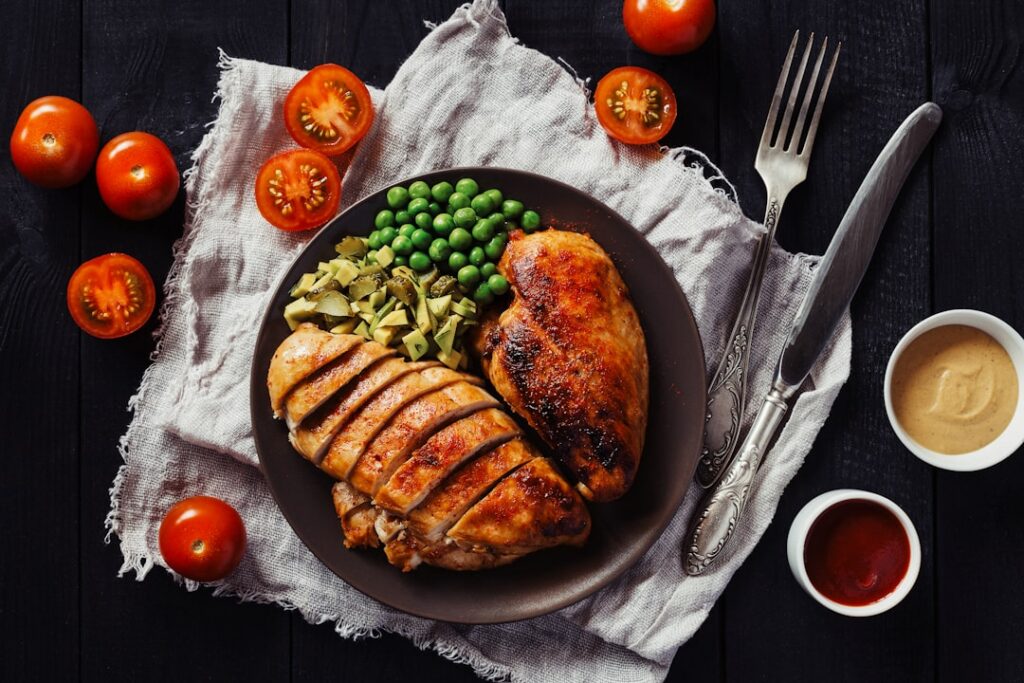
- Chicken Breast: Approximately 4 ounces (about the size of a deck of cards or a small palm).
- Turkey Breast: Similar to chicken, about 4 ounces.
- Lean Beef (e.g., Sirloin): Around 4-5 ounces, depending on the cut and fat content.
- Pork Loin: Roughly 4-5 ounces.
Fish and Seafood
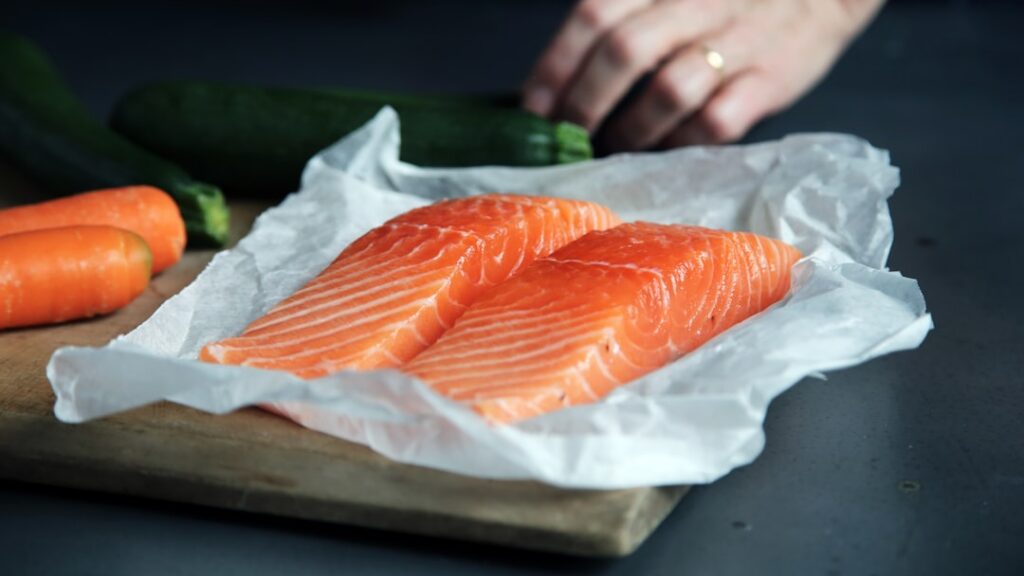
- Salmon: About 4-5 ounces, depending on the type and fat content.
- Tuna (Canned in Water): Around 4-5 ounces (drained).
- Cod/Tilapia: Roughly 5 ounces, as these are very lean.
- Shrimp: A larger serving, about 6 ounces.
Dairy and Eggs
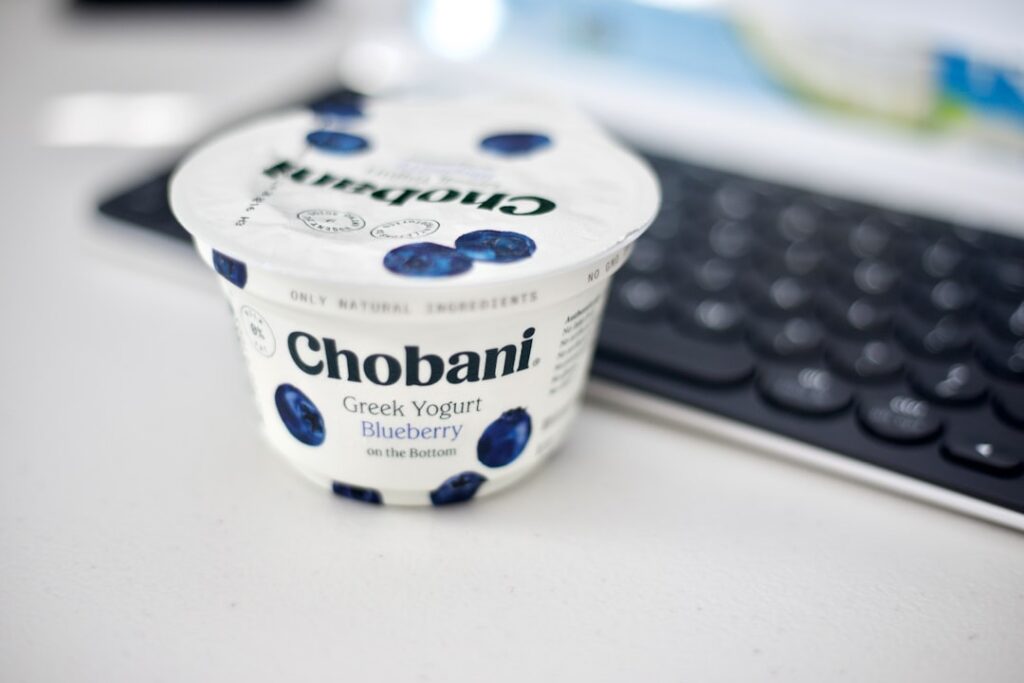
- Greek Yogurt (Plain, Non-fat): Approximately 1.5 cups (about 12 ounces). Many brands offer single servings with 15-20g, so you might need a bit more.
- Cottage Cheese (Low-fat): Around 1.5-2 cups, depending on the brand.
- Eggs: About 5-6 large eggs (each typically has 6g protein).
- Milk (Cow’s Milk): You’d need a significant amount, roughly 4 cups (1 liter), to reach 30g, so it’s better as a supplementary source.
- Whey Protein Powder: Typically 1 scoop (25-30g protein), mixed with water or milk.
Legumes and Plant-Based Sources
- Lentils (Cooked): About 2 cups.
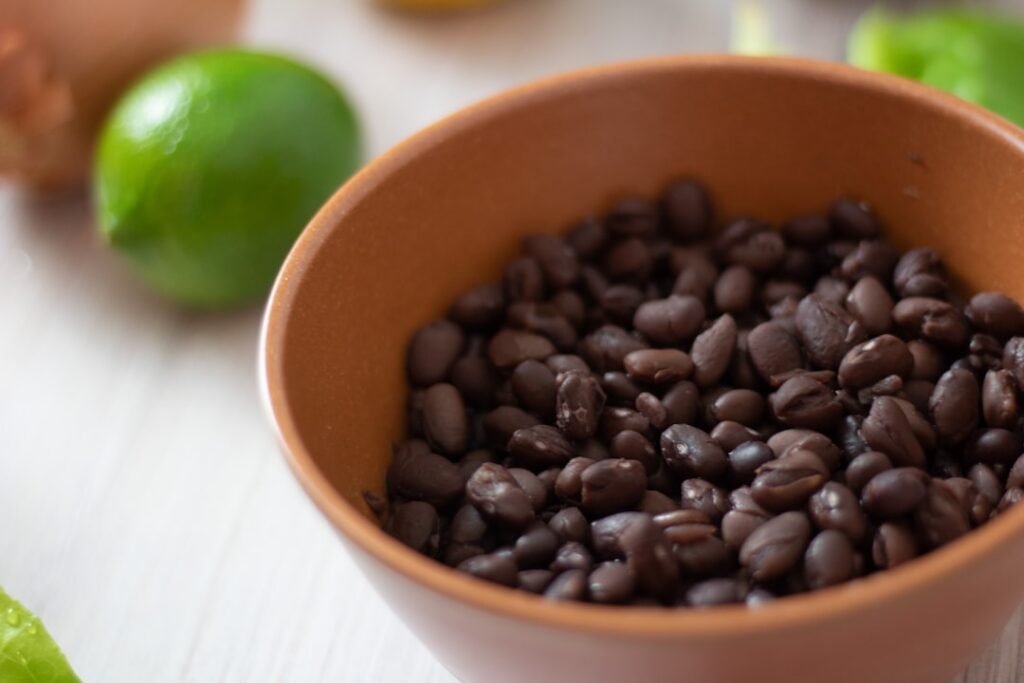
- Black Beans (Cooked): Roughly 2 cups.
- Chickpeas (Cooked): Around 2 cups.
- Tofu (Firm): Approximately 10-12 ounces.
- Tempeh: About 8-9 ounces.
Grains, Nuts, and Seeds
- Quinoa (Cooked): Around 3-4 cups. While good, it’s not the most protein-dense for 30g.
- Almonds: A substantial serving of approximately 3/4 to 1 cup (roughly 60-70 almonds).
- Peanut Butter: About 6-7 tablespoons. High in calories, so best in moderation.
- Chia Seeds: Approximately 10-12 tablespoons.
Tips for Hitting Your Daily Protein Goals
- Include Protein at Every Meal: Distribute your protein intake throughout the day rather than consuming it all at once.
- Prioritize Whole Foods: Focus on lean meats, fish, eggs, dairy, and legumes.
- Snack Smart: Opt for protein-rich snacks like a hard-boiled egg, a small handful of nuts, or Greek yogurt.
- Read Food Labels: Pay attention to the protein content per serving to accurately track your intake.
- Experiment with Recipes: Incorporate protein sources into various dishes, from smoothies to salads and stir-fries.
Important Disclaimer
This content is for informational and educational purposes only and is not intended as a substitute for professional medical advice, diagnosis, or treatment. Always seek the advice of your physician or other qualified health provider with any questions you may have regarding a medical condition or before making any changes to your diet or exercise routine. Individual nutritional needs may vary.
Understanding portion sizes for protein can make a big difference in achieving your wellness goals. By visualizing what 30g of protein looks like, you can make more informed choices at mealtime and ensure you’re getting enough of this crucial nutrient.
Which food will you add to your plate to hit your protein goals? Tell us your go-to protein source in the comments below, and don’t forget to save this guide for later!