Nourishing your heart can be a truly delicious journey! In our quest for vibrant, long-term wellness, understanding how certain wholesome foods may traditionally support healthy cholesterol levels and contribute to overall cardiovascular health is incredibly empowering. Integrating these natural ‘cleaners’ into your daily diet is a simple yet profound step towards a healthier life.
Cholesterol, a waxy, fat-like substance found in all your cells, is essential for good health, but an imbalance, particularly high levels of low-density lipoprotein (LDL) cholesterol (often dubbed ‘bad’ cholesterol), can pose risks to heart health. The good news is that diet plays a significant role in managing these levels. Let’s explore some incredible foods that can be your allies in maintaining a healthy heart.
The Power of Plants: Soluble Fiber & Phytosterols
Many plant-based foods are champions when it comes to cholesterol management, primarily due to their soluble fiber content and naturally occurring plant sterols (phytosterols).
Oats and Barley: Your Morning Heart Boost
- How they help: Oats and barley contain a type of soluble fiber called beta-glucan. This fiber forms a gel-like substance in the digestive tract, which can bind to cholesterol-rich bile acids and help excrete them from the body, preventing their reabsorption and potentially leading to lower LDL cholesterol levels.
- How to enjoy: Start your day with a bowl of oatmeal or incorporate barley into soups, stews, or salads.
Legumes: Beans, Lentils, and Peas
- How they help: These nutritional powerhouses are packed with soluble fiber and plant protein. The fiber helps reduce LDL cholesterol, while their protein content can be a healthy substitute for animal proteins high in saturated fat.
- How to enjoy: Add various beans (black beans, kidney beans, chickpeas) and lentils to your diet through hearty chili, nourishing soups, or vibrant salads.
Fruits & Berries: Sweet Support for Your Heart
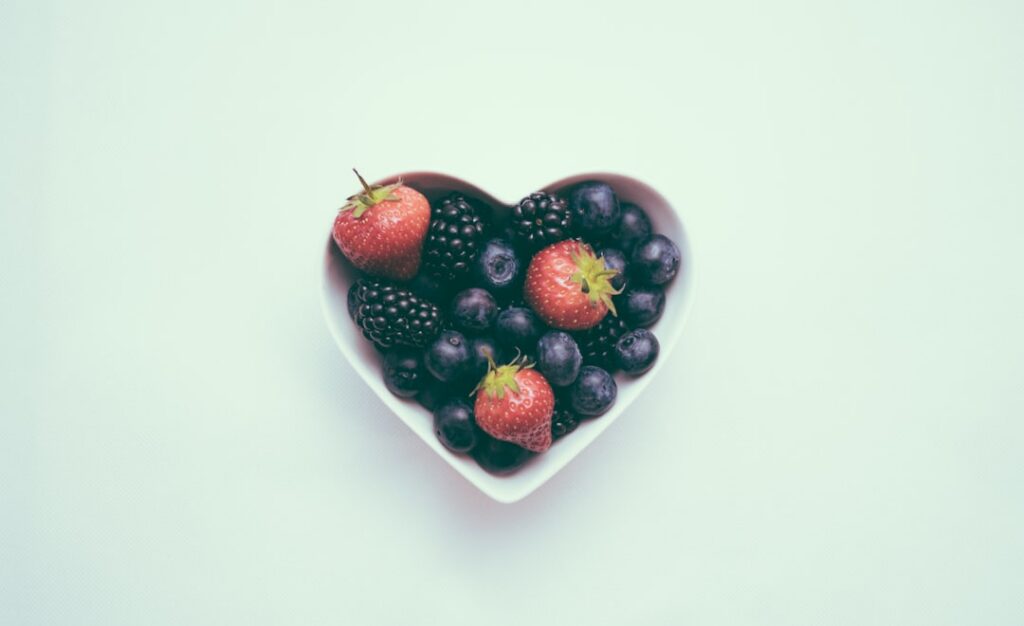
- How they help: Many fruits, especially apples, citrus fruits, and berries, are rich in soluble fiber (pectin) and antioxidants. Pectin can help reduce cholesterol absorption, and antioxidants protect against oxidative stress.
- How to enjoy: Snack on an apple, add berries to your oatmeal or yogurt, or enjoy a fresh fruit salad.
Vegetables: Especially Eggplant and Okra
- How they help: These often-overlooked vegetables are particularly high in soluble fiber, contributing to their cholesterol-lowering potential.
- How to enjoy: Roast eggplant, add okra to gumbos or stews, or incorporate them into stir-fries.
Healthy Fats: Not All Fats Are Equal
While often feared, certain fats are crucial for heart health and can actually help improve cholesterol profiles.
Avocados: A Creamy & Healthy Fat Source
- How they help: Avocados are rich in monounsaturated fatty acids (MUFAs), which can help reduce LDL cholesterol levels while increasing high-density lipoprotein (HDL) cholesterol (the ‘good’ cholesterol). They also contain plant sterols and soluble fiber.
- How to enjoy: Add slices to salads and sandwiches, make guacamole, or blend into smoothies.
Nuts and Seeds: Small But Mighty
- How they help: Almonds, walnuts, chia seeds, and flaxseeds are excellent sources of polyunsaturated and monounsaturated fats, fiber, and plant sterols. Walnuts, in particular, are rich in omega-3 fatty acids, which are beneficial for heart health.
- How to enjoy: A handful of nuts as a snack, sprinkle seeds on yogurt or salads, or blend into smoothies.
Olive Oil: The Mediterranean Staple
- How it helps: Extra virgin olive oil, a cornerstone of the Mediterranean diet, is abundant in monounsaturated fats and antioxidants. These components may help lower LDL cholesterol and reduce inflammation.
- How to enjoy: Use it for dressing salads, sautéing vegetables, or dipping bread (in moderation).
Fish & Omega-3s: Fatty Fish for a Healthy Heart
For those who include fish in their diet, certain varieties offer significant heart health benefits.
- How they help: Fatty fish like salmon, mackerel, tuna, and sardines are rich in omega-3 fatty acids. These essential fats may help reduce triglyceride levels, slow the growth of plaque in the arteries, and slightly lower blood pressure. While their direct impact on LDL cholesterol is less pronounced than some fibers, they contribute significantly to overall cardiovascular wellness.
- How to enjoy: Aim for two servings of fatty fish per week, baked, grilled, or broiled.
Important Considerations & Disclaimers
While integrating these foods can be a powerful step towards supporting healthy cholesterol levels, it’s crucial to remember that diet is one piece of the puzzle. A holistic approach including regular physical activity, maintaining a healthy weight, and avoiding smoking are also vital. Always consult with a healthcare professional before making significant dietary changes, especially if you are managing existing health conditions or taking medications. These dietary recommendations are intended to complement, not replace, medical advice or prescribed treatments.
Conclusion
Embracing a diet rich in soluble fiber, healthy fats, and powerful antioxidants is a delicious and effective way to potentially support your heart health and maintain healthy cholesterol levels. From the humble oat to the mighty avocado, nature provides an abundance of tools for our wellness journey.
Which of these incredible foods are already a part of your wellness routine? Share your favorites in the comments below!