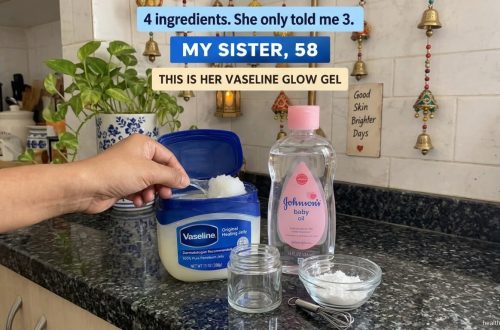
Want a natural glow boost without spending a fortune? A simple DIY skincare routine built on everyday kitchen ingredients can help refresh and nourish your complexion gently. In this guide, we walk through the basic idea behind a homemade routine, the ingredients that often show up in natural beauty recipes, and tips for keeping things safe and simple.

Why Natural Routines Appeal to So Many Women
Many people enjoy natural skincare because it feels approachable. Ingredients you already have at home can be easier to understand than long lists of unfamiliar chemicals, and a short routine can make self-care feel calm rather than complicated. The goal is not to replace every product you own, but to build habits that feel gentle, consistent, and enjoyable.
Common Ingredients in Simple DIY Skincare
Several everyday ingredients appear again and again in homemade beauty ideas. Each one has its own character, so it helps to learn what each is typically used for before adding it to your routine.
- Turmeric: Often used in homemade masks for its warm, golden color and its popularity in natural beauty traditions.
- Cloves: Usually infused into oils for a strong, spicy aroma. Because they can be irritating, they should always be used in very small amounts.
- Plant oils: Light oils such as jojoba or sweet almond oil are commonly used to soften and hydrate dry skin.
- Honey: A traditional humectant that many people use in simple masks for moisture.
A Gentle Routine You Can Try at Home
A basic routine does not need to be complicated. Try the following steps as a starting point:
- Cleanse your face with a mild, fragrance-free cleanser and pat dry.
- Apply a thin layer of a light, skin-friendly oil or a simple hydrating serum.
- Massage gently in upward circles for a minute or two to support circulation and relaxation.
- Finish with a moisturizer suited to your skin type.
Safety Tips Before You Start
Natural does not always mean risk-free. Before trying any homemade recipe, consider these precautions:
- Patch test on a small area of skin, such as the inner arm, and wait 24 hours.
- Avoid strong spices or essential oils around the eyes and on broken or irritated skin.
- Use clean containers and fresh ingredients, and store homemade products in the refrigerator when recommended.
- Stop using any product that causes redness, itching, or burning.
- Check with a dermatologist if you have a medical skin condition or are pregnant.
Setting Realistic Expectations
Skin changes gradually. A simple routine used consistently for several weeks is more likely to show a difference than an intense treatment used once. Think of these habits as part of a broader self-care approach that includes good sleep, hydration, and sun protection.
Simple routines are often the easiest to keep. Start small, pay attention to how your skin responds, and enjoy the calm of taking time for yourself.