9 Delicious Ways to Pickle Eggs
Pickled eggs are one of the easiest make-ahead snacks you can keep in the refrigerator. Hard-boiled eggs soak in a seasoned vinegar brine until they take on tangy, savory flavor. Once you have a basic method, you can change the flavor almost endlessly by adding different spices, vegetables, and herbs. Here are nine flavor ideas to try, along with tips for making them at home.
Why You’ll Love These Pickled Egg Flavors
- Simple ingredients: Most versions use eggs, vinegar, water, salt, and a few pantry spices.
- Easy to customize: You can make one jar mild and another fiery using the same base brine.
- Great for snacking and entertaining: Pickled eggs are easy to grab and serve on a platter.
- Minimal hands-on time: Most of the work happens while the eggs sit in the refrigerator.
Basic Ingredients for Pickled Eggs
Use this base recipe for most of the flavors below. Adjust the quantities to fit your jar size.
- 12 large eggs, hard-boiled and peeled
- 2 cups (480 ml) white vinegar or apple cider vinegar
- 1 cup (240 ml) water
- 1 tbsp (15 g) kosher salt, or to taste
- 1 tbsp (12 g) sugar, optional
- Flavor add-ins for each jar, such as those listed in the flavor sections below
Equipment You’ll Need
- Saucepan for the brine
- Large pot for boiling eggs
- Clean glass jars with tight-fitting lids, about 1 quart (1 liter) or two 1-pint jars
- Slotted spoon
- Bowl of ice water for cooling the eggs
How to Make the Basic Pickled Egg Brine
-
Place the eggs in a single layer in a saucepan and cover with cold water by about 1 inch. Bring the water to a boil, then reduce the heat so it simmers gently. Cook for about 10 to 12 minutes, until the yolks are firm all the way through.
-
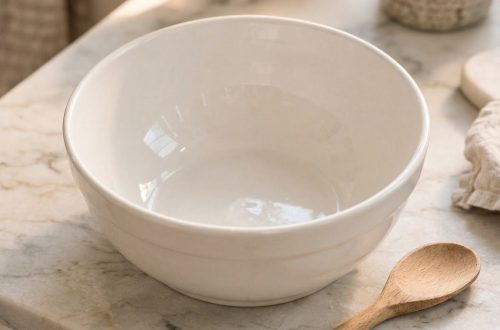
Transfer the eggs to a bowl of ice water and let them cool for at least 10 minutes. Peel them carefully. Gently roll each egg on the counter to crack the shell, then peel under cool running water to help the shells come off cleanly.
-
In a saucepan, combine the vinegar, water, salt, and sugar if using. Heat over medium heat, stirring until the salt and sugar dissolve. The liquid should be hot, but it does not need to boil.
-
Pack the peeled eggs and your chosen flavor add-ins into clean jars. Pour the hot brine over the eggs until fully covered, leaving about half an inch of headspace.
-
Let the jars cool to room temperature, then seal them and refrigerate. Allow the eggs to pickle for at least 3 days. For a stronger flavor, wait 1 to 2 weeks.
9 Pickled Egg Flavors to Try
1. Classic Dill Pickled Eggs
This is the most familiar version. Add a few sprigs of fresh dill, 2 cloves of garlic, and 1 teaspoon of black peppercorns to the jar. The result is bright, tangy, and very close to a dill pickle.
2. Beet Pickled Eggs
Add 1 or 2 sliced cooked beets to the brine. The eggs turn a deep pink or magenta as they sit, and the flavor is earthy and slightly sweet. Add a small amount of sugar to balance the vinegar.
3. Spicy Chili Pickled Eggs
Add 2 to 3 sliced fresh chili peppers, such as jalapeños, plus a pinch of red pepper flakes for extra heat. Start with fewer peppers if you are unsure of your heat tolerance, since the brine gets hotter as it sits.
4. Garlic Pickled Eggs
Add 4 to 6 whole peeled garlic cloves to the jar. Garlic mellows during pickling, so the eggs taste savory and rich rather than sharp. These are a good choice for garlic lovers.
5. Pickled Onion Eggs
Add thinly sliced red or white onion to the jar. The onion adds crunch and a mild sweetness, and it gives the eggs a colorful look. Use a little less sugar in this version since the onion adds natural sweetness.
6. Herb Garden Pickled Eggs
Combine fresh thyme, parsley, and a bay leaf with a few peppercorns. This version tastes fresh and herbaceous, and it works well as a light snack or party appetizer.
7. Sweet and Sour Pickled Eggs
Increase the sugar to about 2 tablespoons (25 g) and add a few whole cloves or a cinnamon stick to the brine. The flavor is mellow and tangy, with a gentle sweetness similar to traditional bread-and-butter pickles.
8. Smoked Paprika Pickled Eggs
Stir 1 teaspoon of smoked paprika into the hot brine before pouring it over the eggs. The eggs take on a warm, smoky flavor and a rosy color. Add a few black peppercorns for a little bite.
9. Soy and Ginger Pickled Eggs
Replace 2 tablespoons of the water with soy sauce and add a few thin slices of fresh ginger to the jar. This version tastes savory and slightly sweet, and it pairs well with Asian-inspired meals.
Pro Tips for the Best Pickled Eggs
- Use eggs that are at least a week old. They are usually easier to peel than very fresh eggs.
- Cool the cooked eggs quickly in ice water to help the shells separate from the whites.
- Keep the eggs fully submerged in brine. Eggs that stick out of the liquid can dry out and develop an uneven color.
- For brighter colors, use a small amount of pickled beet juice or sliced beets instead of food coloring.
- Taste the brine before pouring it over the eggs and adjust the salt, sugar, or vinegar to your liking.
- Label each jar with its flavor and the date it was made so you can track your favorites.
Common Mistakes to Avoid
- Overcooking the eggs: Boiling too long can create a gray-green ring around the yolk and make the texture dry. Stick to about 10 to 12 minutes.
- Pouring boiling brine over raw or unpeeled eggs: Always use cooked, peeled eggs.
- Skipping the cooling step: Let the jars cool before refrigerating them so the eggs do not soften too quickly.
- Using too much fresh chili or garlic: Strong ingredients become more intense over time, so start with smaller amounts.
Serving Suggestions
Pickled eggs are a classic snack on their own, but they also work well on a snack platter, in a salad, or alongside sandwiches. Chop them into potato salad or deviled egg filling for extra tang. Serve them with crackers, sliced cheese, and crisp vegetables for an easy appetizer board.
Storage and Reheating
Store pickled eggs in a sealed glass jar in the refrigerator and keep them fully covered in brine. Pickled eggs are served cold, so there is no reheating step. Use clean utensils each time you remove an egg to help keep the brine fresh. For food safety, refrigerate the jars promptly and discard any eggs that smell off or look slimy.
Frequently Asked Questions
How long do pickled eggs last in the refrigerator?
Pickled eggs are usually best within a few weeks when kept sealed and refrigerated. Check each jar before eating, and throw out any eggs with an unusual smell, texture, or appearance.
Can I make pickled eggs without beets?
Yes. Classic dill, garlic, chili, and herb versions do not use beets at all. Beets are only needed for the deep pink color and earthy flavor of the beet version.
Why do my pickled eggs have a rubbery texture?
Eggs that are cooked at too high a heat or for too long can become rubbery. Simmer gently and cool the eggs right away for the best texture.
Can I use something other than white vinegar?
Yes. Apple cider vinegar gives a softer, slightly fruity flavor. Rice vinegar works for the soy and ginger version, though it is milder and less sharp.
Do pickled eggs need to be stored in the refrigerator?
Yes. Because they are made with cooked eggs, keep pickled eggs refrigerated at all times.
Join the Conversation
Which of these nine pickled egg flavors would you try first? Tell us in the comments which flavor you would make, and share any combinations you think we should try next.