The colon is often thought of as a simple waste tube, but it does much more than that. Your colon absorbs water from digested food and hosts a large community of gut microbes that support digestion. This guide explains the functions highlighted in the source video in a clear, easy-to-follow way.
Quick Overview
- Main topic: How the colon supports digestion and gut health
- Best for: Readers curious about how the digestive system works
- Content type: Short educational video with four key colon functions
- Reader benefit: A clearer understanding of why the colon matters beyond waste
Job 1: Absorbing Water
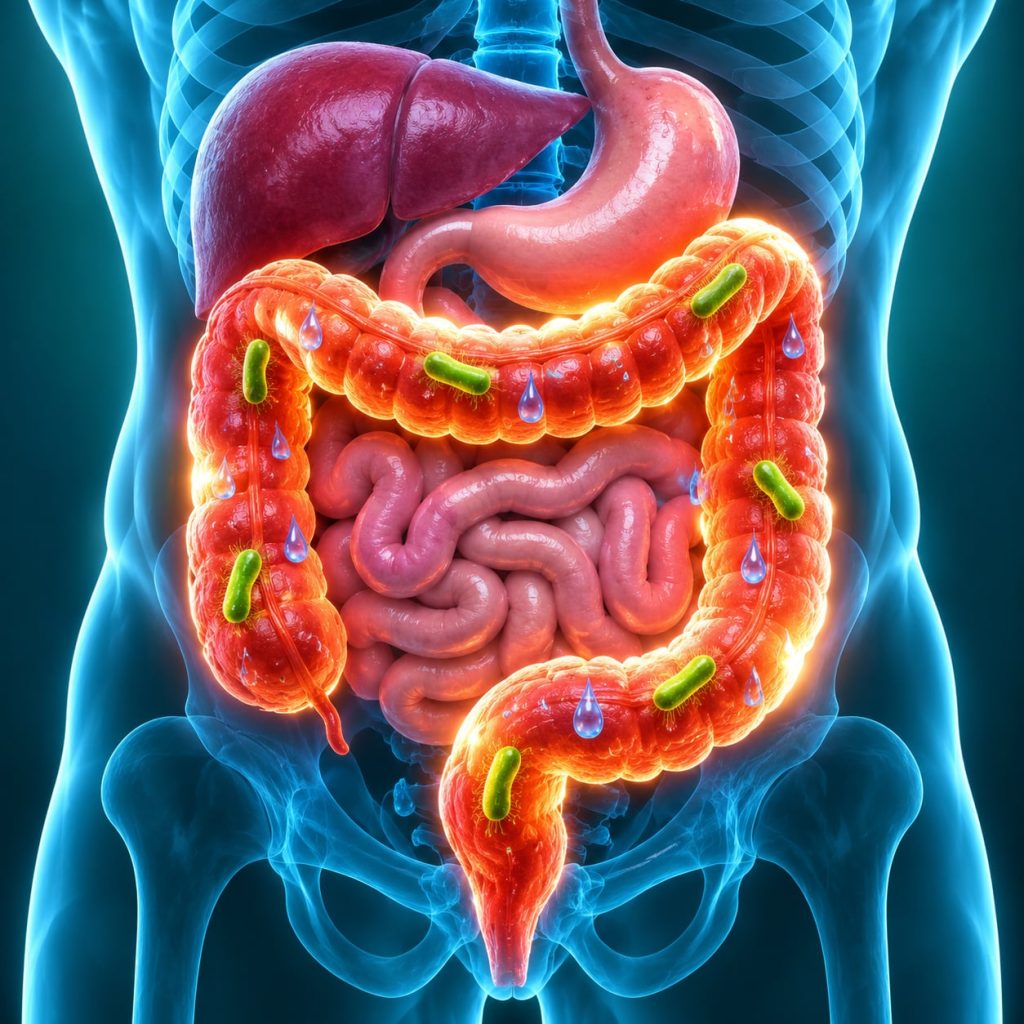
As food moves through the digestive tract, the colon absorbs water from the remaining contents. This helps the body reclaim fluid and supports normal stool consistency. Staying well hydrated is a simple habit that supports this process.
Job 2: Hosting the Gut Microbiome
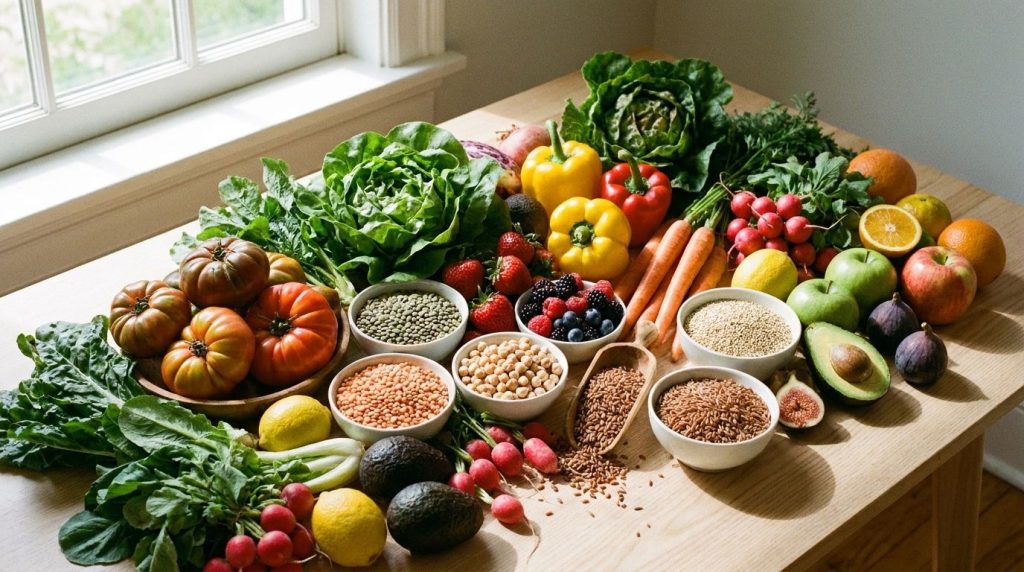
The colon is home to trillions of microbes that make up the gut microbiome. These microbes help break down fiber that the body cannot digest on its own. A varied diet with plenty of plant foods may support a diverse and balanced gut environment.
Jobs 3 and 4: Details Not Clearly Visible
The video mentions four vital jobs, but the visible text clearly describes only the first two. Rather than guess the remaining functions, this article covers only what is confirmed by the source. Watching the full video will provide the complete list.
Simple Ways to Support Colon Health
- Eat a variety of fiber-rich foods such as vegetables, fruits, beans, and whole grains.
- Drink enough water throughout the day.
- Stay physically active as part of a regular routine.
- Pay attention to changes in your bowel habits and talk to a healthcare professional if they persist.
FAQ
Is the colon only for storing waste?
No. The colon also absorbs water and hosts gut microbes that play an important role in digestion.
What does the gut microbiome do?
The gut microbiome helps break down certain fibers and supports overall digestive function. A varied diet may help support a diverse microbiome.
When should I talk to a doctor about colon health?
If you notice ongoing changes in bowel habits, blood in stool, persistent pain, or other concerns, speak with a qualified healthcare professional.
Final Thoughts
The colon is far more than a waste tube. By absorbing water and supporting the gut microbiome, it helps keep digestion working smoothly. Learning how this part of the body functions is a useful first step toward healthier digestive habits.
Medical disclaimer: This article is for general educational purposes only and is not medical advice. Consult a qualified healthcare professional for concerns about digestive health.