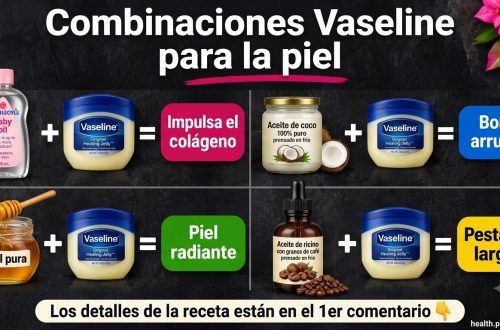
Have you ever scrolled past a beauty video showing aspirin mixed with baby oil and wondered if it really works? This viral household combo keeps popping up online with promises of smoother, softer-looking skin using items you may already have at home. Let’s take a friendly, honest look at what the trend is, what it might do, and how to stay safe if you’re curious.

What Is the Aspirin and Baby Oil Trend?
The trend usually involves crushing one or two plain aspirin tablets, mixing the powder with a little water or a few drops of baby oil, and applying the paste to the face or body. Supporters say it leaves skin feeling smoother and looking more even, especially on rough areas like elbows or the forehead.
Aspirin is chemically related to salicylic acid, a gentle exfoliant found in many over-the-counter acne products. That connection is probably why people think it might help slough off dead skin cells. Baby oil, which is a mineral oil, is mostly used to lock in moisture on the skin’s surface.
What Do We Actually Know?
Here is the honest part. Most of the claims about this hack come from personal videos and comments, not from controlled studies on aspirin and baby oil together. There is no reliable evidence that this exact mixture is a safe or proven smoothing treatment for the face.
Mixing ingredients that were never designed for skincare also makes results hard to predict. One person may see softer skin, while another may end up with redness, stinging, or breakouts. Because the strength of the mixture is not standardized, it is difficult to know how much is too much.
Safety Comes First
Before trying any DIY remedy, keep these simple precautions in mind:
- Avoid using it on broken, sunburned, irritated, or acne-inflamed skin.
- Skip it if you have a known aspirin allergy or sensitivity to salicylates.
- Do not use it on children, and talk with your doctor first if you are pregnant or breastfeeding.
- Never apply it near your eyes, lips, or inside your nose.
- Do a patch test on a small area of your inner arm for 24 to 48 hours before using it anywhere else.
- Stop right away if you feel burning, itching, or swelling, and rinse with lukewarm water.
If you have sensitive skin, a skin condition, or are taking blood-thinning medication, it is best to check with a dermatologist or pharmacist before trying any aspirin-based treatment.
Gentler Ways to Get Smoother Skin
If your real goal is soft, even-looking skin, there are safer and well-loved options that are easy to fit into a daily routine:
- Gentle exfoliation: Use a soft washcloth or a mild scrub two or three times a week to lift away dull surface cells.
- Oatmeal masks: Ground oats mixed with water or plain yogurt can calm and smooth dry or rough areas.
- Sugar or salt scrub on the body: Mix with a little coconut or olive oil for elbows, knees, and heels, then rinse well.
- Consistent moisturizer: A light, fragrance-free cream applied to damp skin helps lock in hydration and keeps texture looking smoother over time.
- Daily sunscreen: Sun protection helps prevent uneven tone and rough texture from getting worse.
Many people also find that a simple, consistent routine makes a bigger difference than any single viral hack. Patience and gentle care usually beat quick fixes.
The Bottom Line
The aspirin and baby oil trend is catchy and easy to try, but it is not a proven or risk-free skincare solution. If you are curious, treat it with caution, patch test first, and never use it on damaged skin. For reliable results, stick with gentle exfoliation, good hydration, and daily sun protection, and check with a healthcare professional if you have any concerns about your skin.