Few everyday sounds are as familiar as the pop of a cracking knuckle. Many people wonder whether it is harmless and what is actually happening inside the joint. This guide explains the joint mechanics behind that popping sound in plain language.
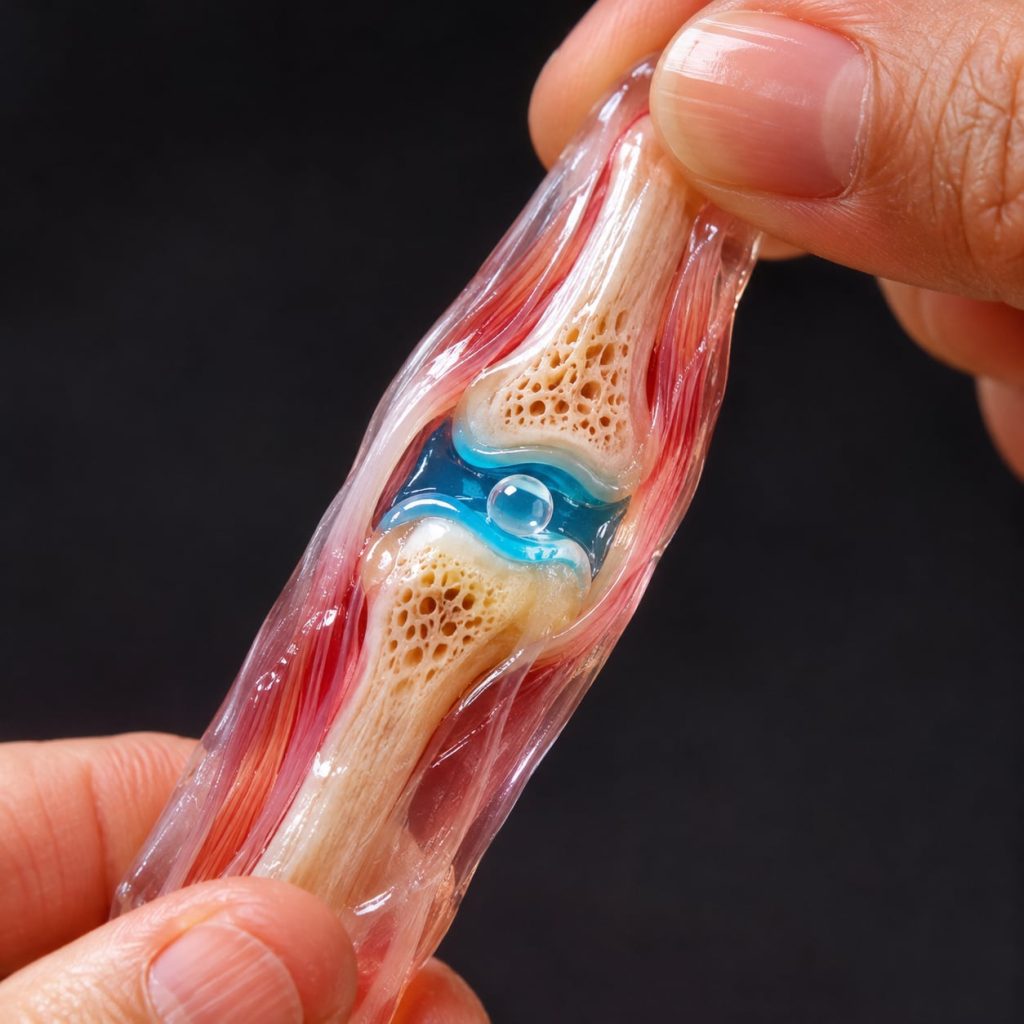
What Happens Inside Your Joint
Each knuckle is a synovial joint. The bones are cushioned by cartilage and enclosed in a capsule filled with synovial fluid, a thick lubricating liquid that helps the joint move smoothly.
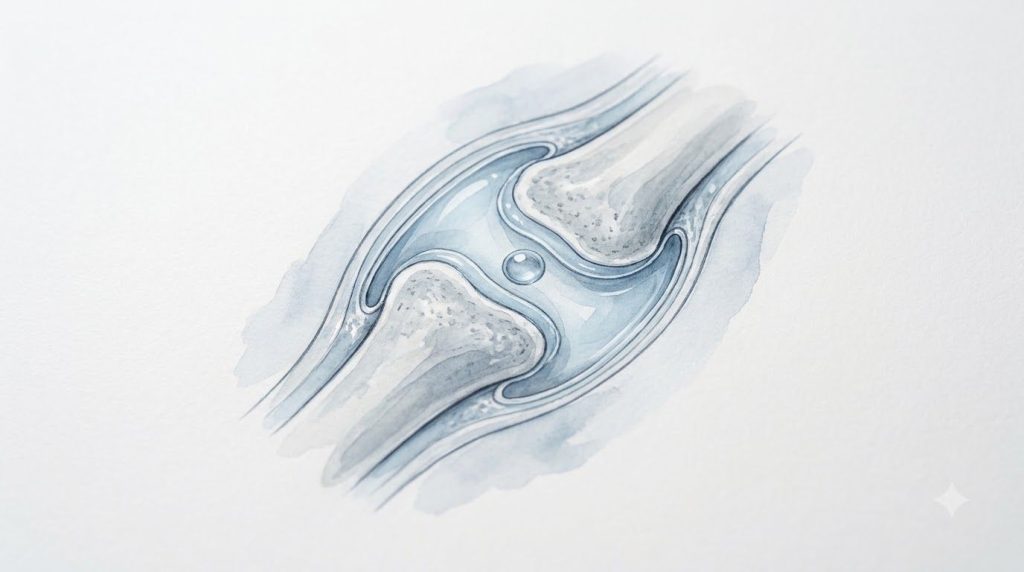
When you pull or bend a finger, the joint capsule stretches and the pressure inside it drops. Dissolved gases in the synovial fluid, mainly carbon dioxide and nitrogen, can then form a small gas bubble. This process is called cavitation, and the rapid formation or collapse of that bubble is widely thought to create the popping sound.
The Step-by-Step Process
- You stretch or bend the finger, moving the joint surfaces apart.
- The capsule volume increases and the pressure inside the joint falls.
- Dissolved gas comes out of the synovial fluid and forms a bubble.
- The bubble forms or collapses rapidly, producing the familiar pop.
Why the Same Knuckle Cannot Pop Right Away
After a pop, the gas needs time to dissolve back into the synovial fluid before the joint can produce the same sound again. This is why many people cannot crack the same knuckle immediately afterward.
Is Knuckle Cracking Harmful?
Research has not clearly linked occasional knuckle cracking with arthritis in most people, although studies remain limited. Some people notice discomfort, swelling, or reduced grip strength, and those signs are worth discussing with a qualified healthcare professional.
Simple Tips for Joint Comfort
- Notice whether cracking causes pain, swelling, or stiffness.
- Gentle movement and stretching can help keep joints comfortable.
- Avoid forcing a joint beyond its normal range of motion.
FAQ
Does cracking knuckles cause arthritis?
Current evidence does not clearly show that occasional knuckle cracking causes arthritis in most people, but more research is needed.
Why does the sound happen?
The sound is most often linked to gas bubbles forming or collapsing in the synovial fluid when the joint pressure changes.
When should I see a professional?
If cracking is accompanied by ongoing pain, swelling, or loss of movement, it is a good idea to speak with a healthcare provider.
Final Thoughts
Knuckle cracking is usually a gas bubble event within the synovial fluid rather than a bone breaking apart. Understanding the process can make the sound less mysterious. How often do you crack yours? Share your habit in the comments below!
Medical disclaimer: This article is general information and is not medical advice. Speak with a qualified healthcare professional about joint pain or ongoing concerns.