Unlock the secrets to a healthier, more productive garden! Pruning isn’t just about snipping branches; it’s an art and a science that ensures your plants thrive, burst with vibrant blooms, and yield abundant harvests. If you’ve ever felt unsure about when and how to prune, you’re not alone. But worry no more! Our comprehensive Annual Pruning Calendar is here to help you discover the perfect time to prune each plant, making gardening easier and more rewarding.
Say goodbye to guesswork and hello to thriving plants with our essential month-by-month guide. Let’s make this year your best gardening year yet, transforming your outdoor space into a lush, flourishing paradise!
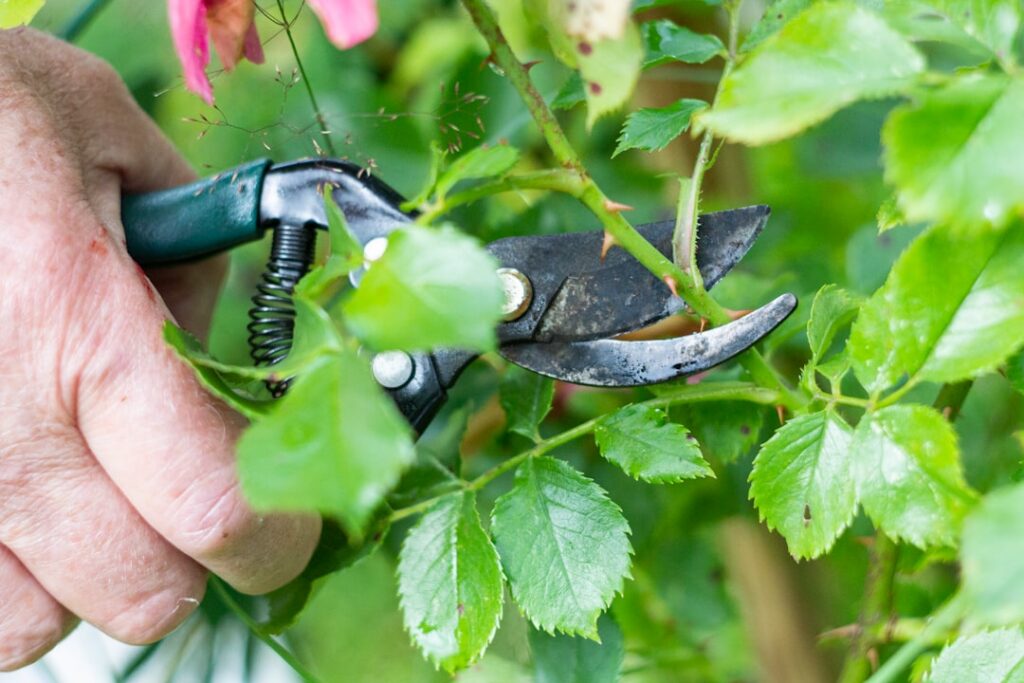
Why Pruning is Essential for a Healthy Garden
Pruning plays a vital role in plant health, productivity, and aesthetics. Here’s why it’s a non-negotiable part of good garden care:
- Promotes Stronger Growth: By removing old or weak branches, you encourage the plant to direct its energy into producing new, healthy growth.
- Enhances Flowering and Fruiting: Many plants bloom and fruit on new wood. Strategic pruning can stimulate more flowers and a better harvest.
- Improves Plant Health: Removing dead, diseased, or damaged branches prevents the spread of pathogens and pests, improving air circulation.
- Maintains Desired Shape and Size: Pruning helps you control the form and size of your plants, essential for garden design and preventing overgrowth.
- Rejuvenates Old Plants: Older, overgrown plants can be revitalized through specific pruning techniques, breathing new life into them.
General Pruning Principles to Keep in Mind
Before diving into the calendar, remember these fundamental rules:
- Know Your Plant: Research the specific needs of each plant. Some bloom on old wood, others on new.
- Use Sharp, Clean Tools: Dull tools can tear stems, making them vulnerable to disease. Sanitize your tools between plants to prevent disease spread.
- Make Clean Cuts: Cut just above a bud or branch junction, at a slight angle away from the bud.
- Remove the Three Ds: Always start by removing dead, diseased, or damaged branches.
- Don’t Over-Prune: A general rule is to remove no more than 25-30% of a plant’s total growth in one season.
Your Month-by-Month Annual Pruning Calendar
Winter (December – February): Dormant Pruning
Winter, when many plants are dormant, is the ideal time for structural pruning. With no leaves, you can clearly see the plant’s framework.
- Deciduous Trees and Shrubs: This is prime time for fruit trees (apples, pears), berry bushes, and many ornamental shrubs like roses (for hard pruning). Remove crossing branches, suckers, and water sprouts.
- Grapevines: Prune heavily to ensure good fruit production in the coming season.
- Wisteria: Cut back long shoots to a few buds to encourage flowering.
Early Spring (March – April): Preparing for Growth
As the weather warms, focus on plants that bloom in summer or fall, or those needing a tidy up before new growth truly kicks in.
- Summer-Flowering Shrubs: Prune shrubs that bloom on new wood, such as Buddleia (butterfly bush), Hydrangea paniculata, and Spirea.
- Roses: Complete your rose pruning, shaping them for the season.
- Evergreen Hedges: Give them a light trim to maintain shape before vigorous growth starts.
- Perennial Herbs: Cut back woody herbs like lavender (lightly) and rosemary to encourage fresh growth.
Late Spring – Early Summer (May – June): Post-Bloom Pruning
This is when you prune plants that have finished their glorious spring show.
- Spring-Flowering Shrubs: Prune shrubs like Forsythia, Lilacs, Rhododendrons, and Azaleas immediately after they finish blooming. Pruning too late will remove next year’s flower buds.
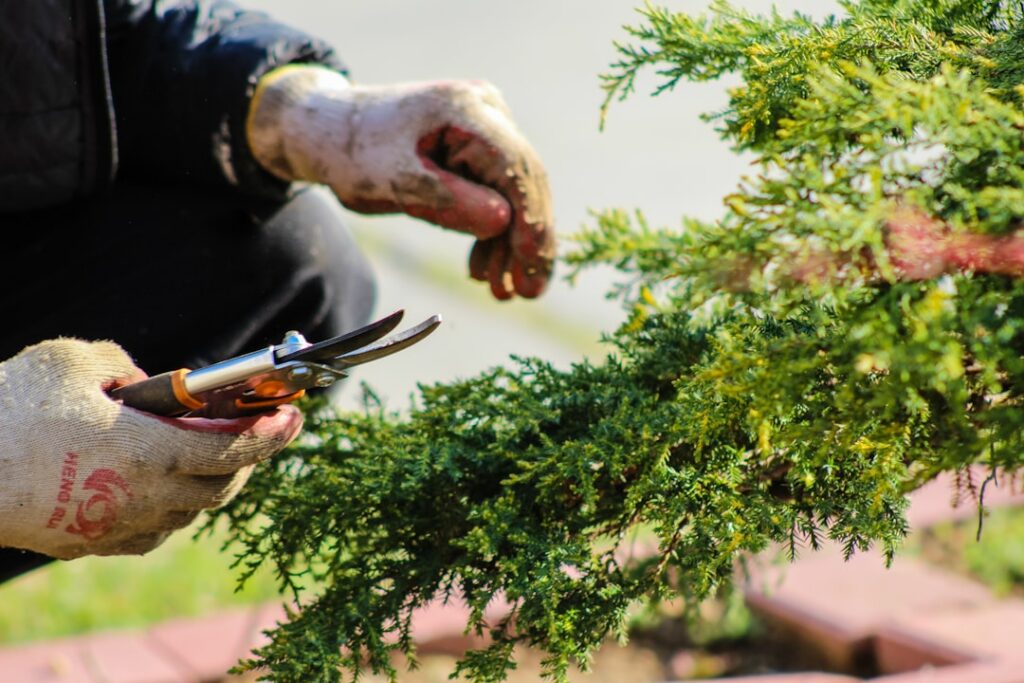
- Evergreens: Lightly shape evergreens and conifers as new growth hardens.
- Deadheading: Start deadheading spent flowers on perennials and annuals to encourage more blooms and prevent self-seeding (e.g., petunias, delphiniums, cosmos).
Late Summer – Fall (July – November): Maintenance and Tidying
Pruning in late summer and fall is generally minimal and focused on tidying, not heavy cuts that could stimulate new growth vulnerable to winter frost.
- Deadheading Continues: Keep deadheading to extend bloom time.
- Evergreen Hedges: A final light trim for evergreen hedges to keep them tidy through winter.
- Perennials: Cut back spent perennial foliage, though some prefer to leave seed heads for winter interest and wildlife.
- Avoid Heavy Pruning: Generally, avoid major pruning of trees and shrubs in late fall, as it can encourage new, tender growth that won’t survive winter frosts.
Essential Pruning Tools
Invest in quality tools for better results and easier work:
- Hand Pruners (Bypass and Anvil): For smaller stems and branches.
- Loppers: For thicker branches that hand pruners can’t handle.
- Pruning Saw: For larger limbs.
- Gloves: Protect your hands from thorns and sap.
Start Pruning with Confidence!
Armed with this Annual Pruning Calendar, you’re ready to tackle your garden with confidence. Remember, observation is your best tool. Watch your plants, understand their growth habits, and prune with purpose. The results will be a more vibrant, healthier, and abundant garden!
What’s one plant you’re looking forward to pruning this season? Share your gardening plans in the comments below!