Most people walk past mullein without a second look, yet its fuzzy, silver-green leaves have been a staple in many home herb cabinets. The part most people skip is preparation. Get the drying, straining, and storage right, and this simple plant becomes a useful, practical remedy to keep on hand.
What Mullein Is and Why It Is Used
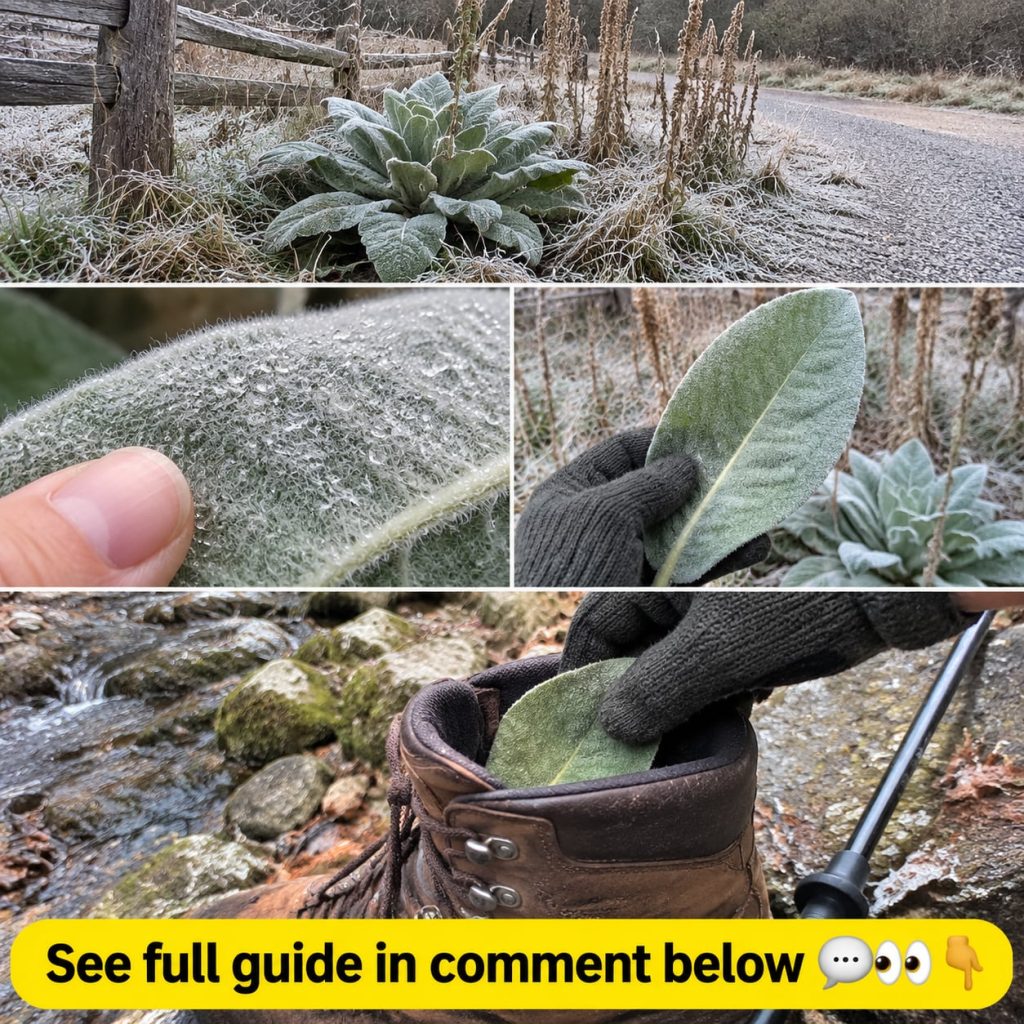
Mullein (Verbascum thapsus) is a biennial plant. In its first year it grows as a rosette of large, soft leaves close to the ground. These leaves are the part most often dried for home preparations such as tea and infused oil. Its tall flower stalk appears in the second year, but most home herbalists harvest the leaves and flowers only when they are fully mature and healthy.
Ingredients and Approximate Measurements
- Dried mullein leaf: about 1 teaspoon per cup of water for tea
- Filtered water: 1 cup (240 ml) per serving
- Dried mullein leaf for oil: about 1 cup loosely packed
- Carrier oil such as olive or sunflower oil: about 1 cup (240 ml), enough to fully cover the leaves
- Clean glass jar with a tight lid
- Fine cloth or coffee filter for straining
Formula and Recipe
Use these two simple formulas. The tea is for short-term use, while the infused oil keeps longer and is easier to store.
| Preparation | Ratio | Time | Best Use |
|---|---|---|---|
| Mullein leaf tea | 1 tsp dried leaf per 1 cup water | Steep 10 minutes | Drink warm, same day |
| Infused mullein oil | 1 part dried leaf to about 4 parts oil | Infuse 2 to 4 weeks | Topical use on dry skin |
| Fresh leaf tea | Use about 2 tsp chopped fresh leaf per cup | Steep 10 minutes | Use within 24 hours |
Step-by-Step Method
- Harvest mullein leaves from a clean area away from roadsides and sprayed fields. Choose leaves that are green-gray, firm, and free of holes or black spots.
- Shake off insects and gently brush away dirt. Avoid washing leaves if you plan to dry them thoroughly.
- Dry the leaves in a single layer on a rack or screen in a warm, dry, shaded place for 1 to 2 weeks until they crumble easily.
- For tea, bring 1 cup of water to a near boil, remove from heat, add 1 teaspoon of dried leaf, cover, and steep for 10 minutes.
- Strain through a fine cloth or coffee filter. The fine hairs on the leaf can irritate the throat, so do not skip this step.
- For oil, place dried leaves in a clean, fully dry jar, cover with oil, and seal. Keep the jar in a warm, sunny window for 2 to 4 weeks, shaking gently every few days.
- Strain the oil through a clean cloth into a dark glass bottle and label it with the date.
How to Use
For tea, sip one cup warm, once or twice a day. For oil, warm a small amount between your palms and apply to dry skin, especially on elbows, heels, or hands after outdoor work. Do a small patch test on your inner arm before wider use.
How Often to Use It
Most home users prepare tea in small batches and drink it as needed rather than daily for long periods. Apply the oil once or twice a day when skin feels dry. Stop using any preparation if you notice redness, itching, or irritation.
How to Choose Good Ingredients
Quality matters more than quantity. Choose dried leaf from a reputable herb supplier, or harvest your own from an unsprayed area. Look for leaves that are gray-green, not brown or dusty. For oil, choose a cold-pressed carrier oil with a fresh smell. Rancid oil will spoil your infusion.
Storage
Store dried leaf in an airtight glass jar away from light and heat. It stays usable for about 1 year. Keep infused oil in a dark, cool cabinet and label it clearly. Most homemade infused oils last several months if they stay completely free of water. Never store oil in a damp or wet jar.
Practical Tips
- Dry leaves completely before infusing oil. Moisture causes mold.
- Use a clean, dry spoon every time you open the jar.
- Label every batch with the harvest and preparation date.
- Start with small batches so you can test your method.
Common Mistakes
- Using damaged, moldy, or sprayed leaves
- Boiling the water too hard, which can make the tea taste bitter
- Skipping the straining step and drinking loose hairs
- Storing oil in a wet or warm jar that has not been fully dried
- Overusing a preparation because you expect faster results
Cautions and Who Should Avoid It
Avoid mullein preparations if you are pregnant or breastfeeding, have a known plant allergy, or take medication and are unsure about interactions. Speak with a qualified healthcare professional before using herbal preparations if you have an ongoing health condition. Stop use and seek medical advice if symptoms worsen.
Quick Summary
- Best preparation: Dried leaf tea for drinking, infused oil for dry skin
- Best use case: Simple home routines for outdoor workers and gardeners
- Storage: Airtight, dark, and dry; oil in a cool cabinet
- When to use: Small, regular amounts while skin or throat feels dry
- What to avoid: Sprayed plants, damp jars, broken skin, and unstrained tea
Frequently Asked Questions
Can I use fresh or dried mullein leaf?
Both work. Dried leaf is more common for home preparations because it stores longer and has a more consistent strength.
How long does mullein oil last?
Properly dried and stored infused oil often lasts several months. Discard it if it smells sour or looks cloudy with mold.
Can I refrigerate the oil?
You can store it in a cool place, but refrigeration can cause some oils to thicken. Let it return to room temperature before use.
Can I freeze mullein tea?
Freezing is not recommended for brewed tea. Make fresh cups as needed instead.
Which part of the plant is best?
The leaves are the most common choice. Flowers are sometimes used for oils, but leaves are the simplest starting point.
Can I reuse the leaves?
It is better to use fresh dried leaves for each batch of tea. Reused leaves are weaker and may harbor moisture.
When should I avoid it?
Avoid it if you are pregnant, breastfeeding, allergic to the plant, or have broken skin where the oil would be applied.
Conclusion
Mullein is simple to prepare when you focus on clean harvesting, complete drying, careful straining, and dry storage. Start with a small batch of tea or oil, keep good labels, and use it consistently while watching how your body responds.
You may also like: See the full guide to drying herbs at home.
Read more: Learn how to make it with other simple herbal infused oils.
Related remedy: Continue reading about natural herbal tea preparations.