Understanding Water Retention: What to Eat and What to Avoid
Ever woken up feeling a bit puffy, or noticed your rings feel tighter than usual? Many of us have experienced that uncomfortable sensation of water retention, also known as edema. It’s a common issue where excess fluid builds up in your body, leading to swelling and a feeling of bloat. While several factors can contribute to water retention, what you eat plays a huge role. Good news! Simple dietary changes can make a big difference in helping you feel lighter and more comfortable.
What Exactly is Water Retention?
At its core, water retention is your body holding onto more fluid than it needs. This extra fluid often accumulates in tissues and cavities, causing symptoms like:
- Swelling in the hands, feet, ankles, and legs
- Bloating or puffiness
- Weight fluctuations
- Stiff joints
It’s important to remember that a little fluid fluctuation is normal, but persistent or severe swelling might warrant a chat with a healthcare professional.
Common Culprits: Foods That May Contribute to Water Retention
Let’s dive into the types of foods that can often encourage your body to hold onto excess fluid. Limiting these can be a great first step towards feeling better.
1. High Sodium Foods
Sodium (salt) is perhaps the most well-known contributor to water retention. Your body needs a certain amount of sodium to maintain fluid balance, but too much can make your body hold onto water to dilute it. Think processed snacks, canned soups, frozen meals, and even seemingly innocent condiments.
2. Refined Carbohydrates
Foods like white bread, pastries, and sugary cereals are quickly broken down into glucose, leading to spikes in blood sugar and insulin. High insulin levels can signal your kidneys to reabsorb more sodium, which in turn leads to increased water retention.
3. Processed Foods
These often contain a triple threat: high sodium, refined carbs, and unhealthy fats. They’re designed for convenience but can be a major source of ingredients that encourage fluid buildup.
4. Excess Sugar
Beyond refined carbs, too much added sugar in any form can lead to increased insulin levels and, consequently, greater sodium reabsorption and water retention.
5. Alcohol
While it might seem dehydrating, alcohol can actually impact the hormone vasopressin, which helps regulate fluid balance, leading to temporary water retention and bloating.
Your Allies: Foods That Help Combat Water Retention
Now for the good news! Many delicious and natural foods can help your body release excess fluid and maintain a healthy balance. Incorporating these into your diet can be a game-changer.
1. Hydrating Fruits and Vegetables
It might sound counterintuitive, but drinking enough water and eating water-rich foods can actually help flush out excess fluid. Aim for:
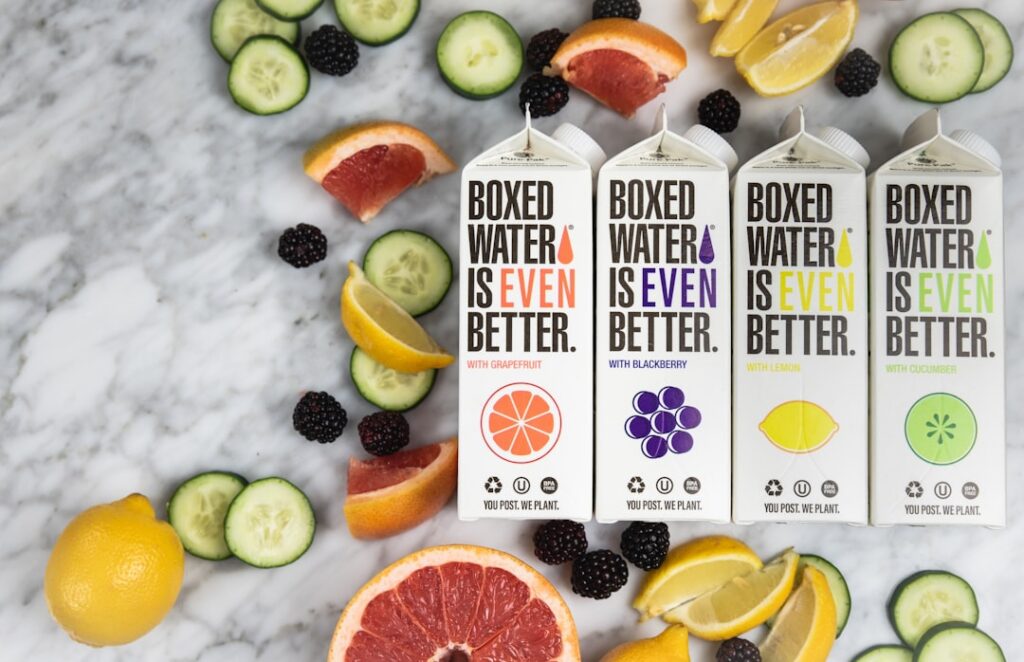
- Cucumbers: Almost 95% water, they’re also refreshing.
- Watermelon: Another excellent source of hydration.
- Berries: High in water and antioxidants.
- Leafy Greens: Spinach, kale, and lettuce are packed with nutrients and water.
- Celery: Known for its natural diuretic properties.
2. Potassium-Rich Foods
Potassium is a mineral that helps balance sodium levels and promotes fluid excretion. Good sources include:
- Bananas: A classic potassium powerhouse.
- Avocados: Creamy, delicious, and rich in potassium.
- Sweet Potatoes: A fantastic complex carbohydrate.
- Spinach and other leafy greens: Versatile and nutrient-dense.
- Coconut Water: A natural electrolyte drink.
3. Magnesium-Rich Foods
Magnesium plays a role in over 300 bodily functions, including fluid balance. Many people don’t get enough. Boost your intake with:
- Nuts and Seeds: Almonds, cashews, pumpkin seeds.
- Dark Chocolate: A tasty way to get magnesium (in moderation!).
- Legumes: Beans, lentils, chickpeas.
4. Natural Diuretics
Certain herbs and foods have mild diuretic properties that can gently encourage your body to shed excess water:
- Dandelion Tea: Often used in herbal remedies for fluid balance.
- Parsley: A versatile herb you can add to many dishes.
- Green Tea: Contains caffeine, a natural diuretic, and antioxidants.
5. Whole Grains and Lean Protein
Choosing complex carbohydrates like oats, brown rice, and quinoa, along with lean proteins like chicken, fish, and legumes, helps maintain stable blood sugar levels, which in turn supports healthy fluid balance.
Beyond Food: Simple Lifestyle Tips to Support Fluid Balance
While diet is key, a few other habits can further help manage water retention:
- Stay Hydrated: Drink plenty of plain water throughout the day. This helps your kidneys function efficiently.
- Move Your Body: Regular physical activity improves circulation and can help reduce fluid buildup.
- Manage Stress: High stress levels can impact hormones that regulate fluid balance.
- Get Enough Sleep: Rest is crucial for overall body function and hormone regulation.
A Healthier, Lighter You
Understanding the connection between your diet and water retention can empower you to make choices that help you feel your best. By focusing on whole, unprocessed foods, staying hydrated, and incorporating natural diuretics, you can support your body’s natural ability to maintain a healthy fluid balance. Remember, small, consistent changes often lead to the most significant improvements in your well-being!