Superfoods have a reputation for being powerful, but many people never see much from them. The problem is rarely the food itself. More often, it is how and when the food is eaten. A few simple adjustments to your daily routine can make these foods easier to enjoy and easier to keep up with.
This guide walks through practical, low-effort changes you can start today. None of them require expensive products or a complicated meal plan.
Why Small Changes Matter
Healthy eating works best when it becomes a habit rather than a short-term project. Small, consistent changes are easier to maintain than dramatic overhauls. When a food fits naturally into your breakfast, lunch or snack, you are more likely to keep eating it week after week.
Think of superfoods as one part of a balanced diet, not a quick fix. Foods such as chia seeds, berries and leafy greens are commonly associated with good nutrition when they are included regularly alongside other whole foods.
Simple Ways to Get More From Chia Seeds
Chia seeds are one of the most popular everyday superfoods because they are easy to add to many dishes. A few practical habits can make them work better for your routine:
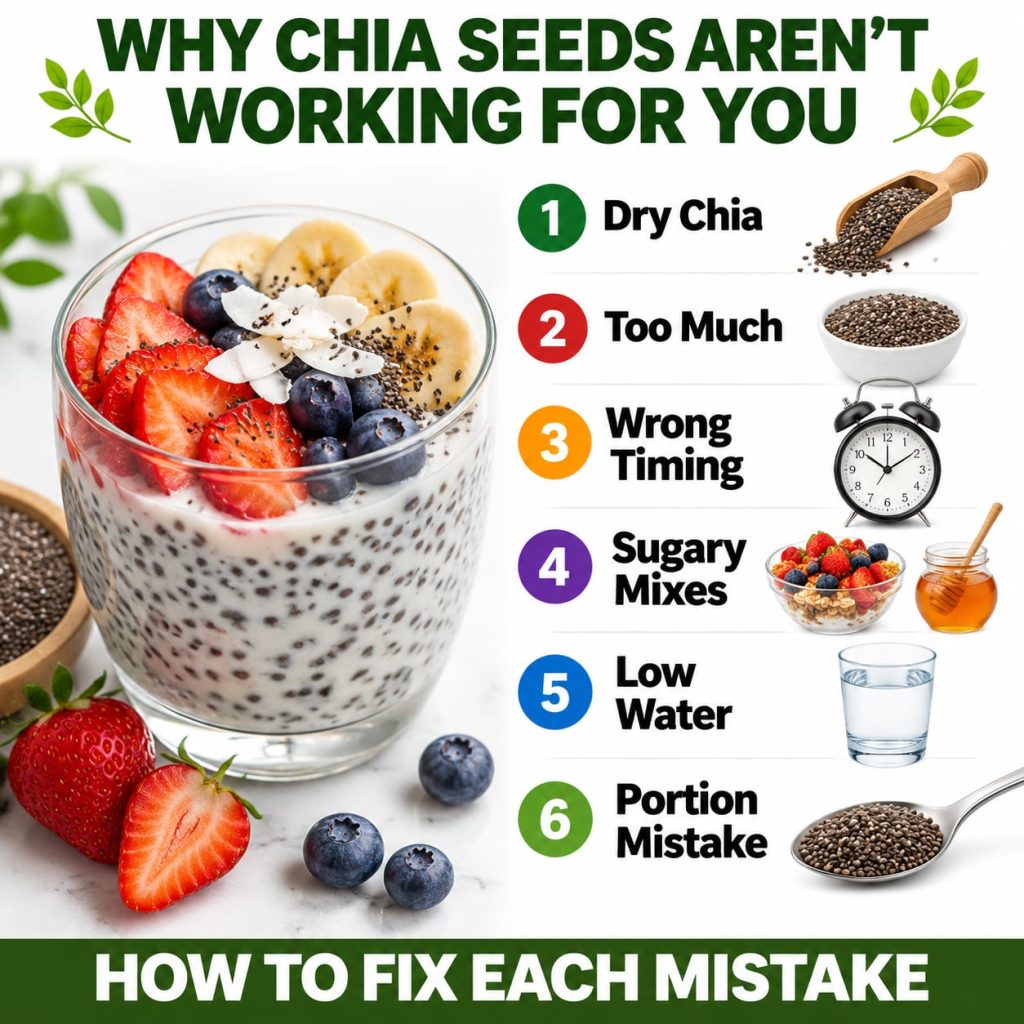
- Let them soak. Chia seeds form a gel when mixed with liquid. Soaking them for at least 10 to 15 minutes makes them easier to digest and gives them a pleasant texture.
- Start with a small portion. One to two tablespoons per day is a common serving. Adding them gradually gives your digestive system time to adjust.
- Pair them with fluids. Because chia seeds absorb water, drinking enough liquid throughout the day helps keep things comfortable.
- Mix them into foods you already eat. Stir them into yogurt, oatmeal or smoothies rather than trying to build an entirely new meal around them.
Build Superfoods Into Meals You Already Enjoy
The easiest way to make superfoods a habit is to attach them to something you already do. Try these approaches:
- Add a spoonful of seeds to breakfast you already make.
- Include a handful of berries or leafy greens with lunch.
- Keep a simple snack, such as fruit with nuts, within reach on busy days.
- Prepare a few servings ahead so healthy choices are ready when hunger strikes.
Common Mistakes to Avoid
Many people give up on healthy habits because they try too much at once. Watch for these common pitfalls:
- Eating a large amount of a new food on the first day.
- Expecting quick results from one ingredient while ignoring overall eating patterns.
- Skipping water when adding high-fiber foods to the diet.
- Choosing a superfood you do not enjoy, which makes it harder to continue.
How to Make Your Habit Stick
Consistency matters more than perfection. Missing a day does not undo your progress. Keep your routine flexible, track what you actually eat for a week, and adjust portions or timing based on how you feel. Over time, these small decisions add up.
Frequently Asked Questions
Do I need to eat superfoods every day?
You do not need to eat any single food daily. Variety across the week is usually a better goal than relying on one ingredient.
Can I eat chia seeds without soaking them?
You can, but soaking them first is often more comfortable for many people and helps them blend into foods more easily.
Who should check with a doctor first?
If you have a digestive condition, take medication, or have been advised to limit fiber or certain foods, speak with a qualified healthcare professional before making changes.
Final Thoughts
Real health benefits from daily superfoods come from steady, sensible habits rather than dramatic changes. Start with one small adjustment, such as soaking your chia seeds or adding berries to breakfast, and build from there. Consistency is what turns simple tweaks into lasting routines.
Medical disclaimer: This article is for general educational purposes only and is not a substitute for professional medical advice, diagnosis or treatment. Consult a qualified healthcare professional before making significant changes to your diet, especially if you have an existing health condition.