Coffee is one of the most popular morning rituals in the world. For many of us, that first cup is what makes the day feel possible. But if you have ever wondered whether your daily coffee habit is quietly helping or hurting your natural energy levels, you are not alone. Let’s take a closer look at how much caffeine your body generally handles well each day.
Why Caffeine Affects Your Energy
Caffeine is a natural stimulant found in coffee, tea, and some other drinks. It works by temporarily blocking adenosine, a compound that makes you feel tired as the day goes on. That is why a cup of coffee can leave you feeling more alert and focused. However, the effect is different for everyone. Your body size, sleep quality, age, and how quickly you process caffeine all play a role in how you feel after each cup.
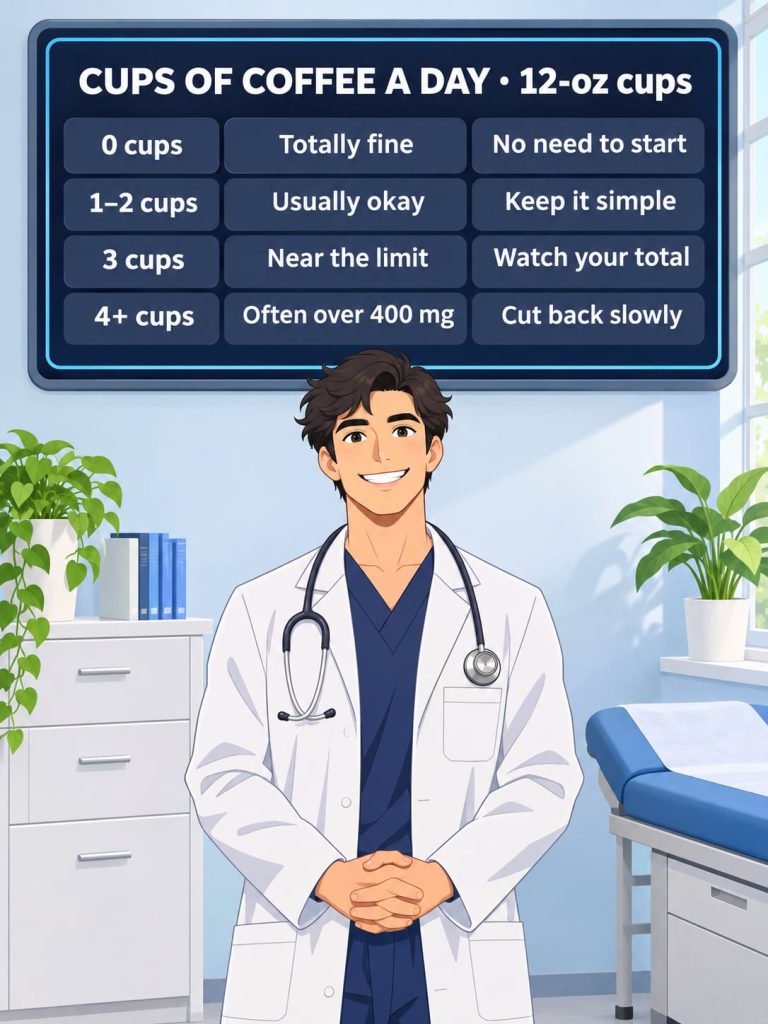
How Much Coffee Is Generally Considered Moderate?
Health authorities such as the U.S. Food and Drug Administration generally cite about 400 milligrams of caffeine per day as an amount that most healthy adults tolerate without problems. A typical 8-ounce cup of brewed coffee contains roughly 80 to 100 milligrams of caffeine, though this can vary a lot depending on the bean, roast, and brewing method. For many people, that means about three to four cups per day is a common moderate range.
- Most healthy adults: up to about 400 milligrams of caffeine per day
- Pregnant or breastfeeding individuals: many guidelines suggest a lower limit, so it is wise to check with a healthcare professional
- Sensitive individuals: even smaller amounts may feel like too much
Signs You May Be Having Too Much
Your body often gives you clues when caffeine is becoming too much. Paying attention to these signals can help you find your personal sweet spot.
- Feeling jittery, restless, or anxious after your usual cups
- Trouble falling asleep or waking up feeling unrested
- Frequent heart palpitations or a racing feeling
- Stomach discomfort or heartburn after coffee
- Relying on coffee just to feel awake, rather than enjoying it
If you notice these signs regularly, consider cutting back gradually and reviewing your overall routine. Persistent symptoms are always worth discussing with a healthcare provider.
Tips for Enjoying Coffee in Balance
Finding the right balance does not have to mean giving up your favorite drink. Small changes can make a noticeable difference over time.
- Avoid coffee in the late afternoon or evening, so it does not interfere with your sleep.
- Drink a glass of water alongside each cup to stay hydrated.
- Try smaller cups or half-caf blends to gradually lower your daily intake.
- Pair your coffee with a nourishing breakfast, such as oats with fruit or yogurt with chia seeds, for more steady energy.
- Notice how you feel after each cup and adjust based on your own experience.

Natural Ways to Support Your Energy Throughout the Day
Coffee is only one part of the energy picture. Simple habits such as regular walks, good sleep, staying hydrated, and eating a varied diet with fruits, vegetables, and whole grains can all help you feel more energized. Herbal teas, such as ginger or mint, can also be a refreshing caffeine-free option when you want something warm without the stimulant effect.
The Bottom Line
There is no single number that fits everyone, but a moderate approach is a sensible starting point for most healthy adults. Listen to your body, watch for signs of overconsumption, and build a routine that supports both your energy and your comfort. If you have health conditions or take medications, speak with a qualified healthcare professional about what amount is right for you. Enjoy your coffee mindfully, and let it be one of the many small habits that help you feel your best.