Yellow film and surface stains often build up from coffee, tea, and daily routines, and a gentle home routine can help teeth look brighter over time. This guide gives you a simple daily habit plus an optional mild baking soda paste you can use a couple of times a week.
Quick Recipe
Prep time: 2 minutes
Best for: Surface yellowing and mild stains on teeth
Use type: Paste
Main ingredients:
- 1 teaspoon baking soda
- 1 teaspoon water
- Your regular fluoride toothpaste
Ingredients
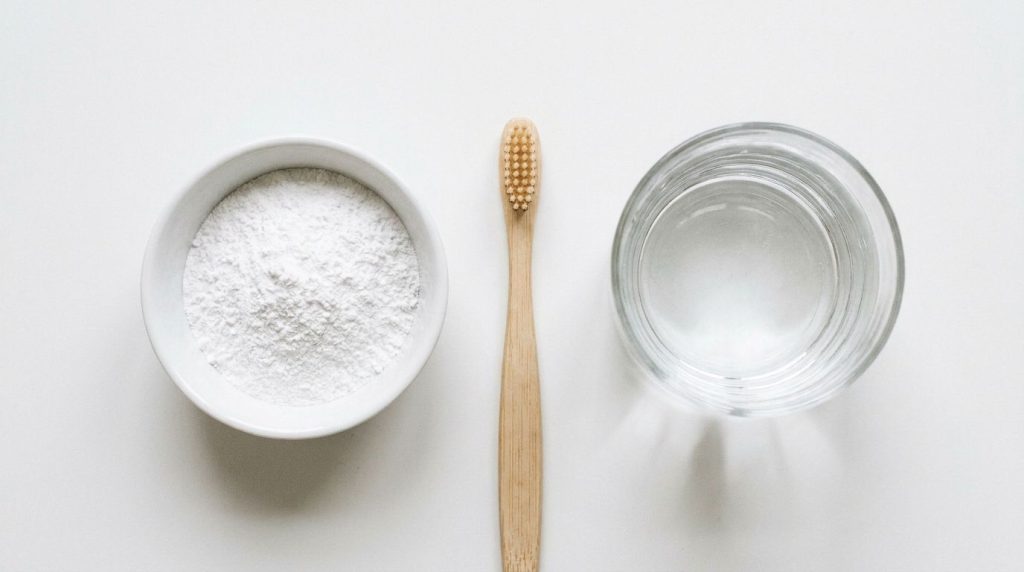
- 1 teaspoon baking soda, finely powdered
- 1 teaspoon lukewarm water, added slowly
- A soft-bristled toothbrush
- Your regular fluoride toothpaste for daily brushing
How to Make It
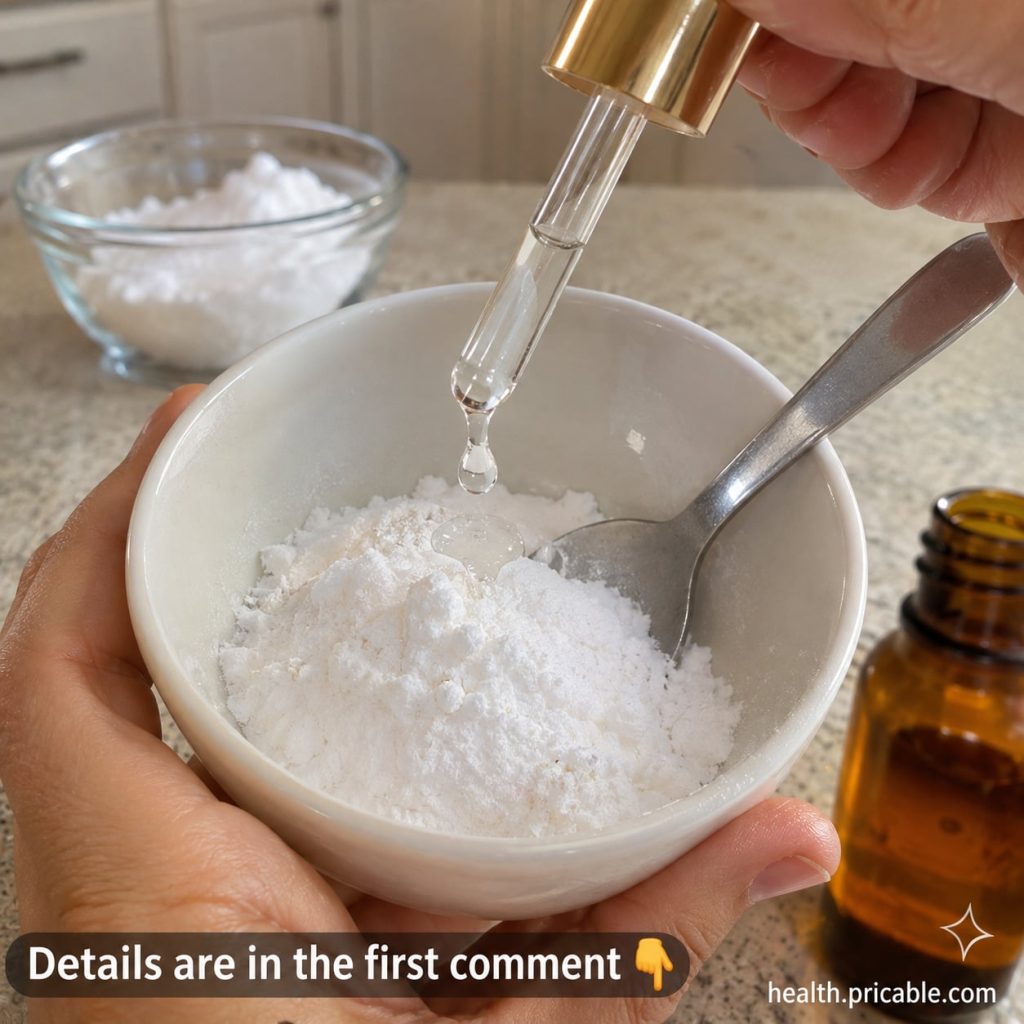
- Place 1 teaspoon of baking soda in a small clean bowl.
- Add water a few drops at a time and stir until you have a smooth, spreadable paste.
- Use the paste right away, and do not store leftovers because it loses its texture quickly.
How to Use It
- Brush your teeth as usual with fluoride toothpaste for two minutes, morning and night.
- Two or three times per week, dip a soft-bristled brush into the paste and brush gently for about 30 seconds on the front surfaces only.
- Rinse thoroughly with water and avoid eating or drinking coloured foods for about 30 minutes afterward.
How Often to Use It
Keep the baking soda paste to two or three times per week at most. Daily brushing with fluoride toothpaste is the foundation of this routine, and the paste is only a light extra step. Stop if your teeth feel sensitive, your gums sting, or you notice rough or thinning enamel.
Why These Ingredients Are Used
Baking Soda
Baking soda is a mild abrasive that many people use in home routines to help lift surface residue from teeth. It should be used sparingly because overuse can wear enamel.
Water
Water keeps the paste smooth and easy to control, so you can brush gently rather than scrubbing.
Fluoride Toothpaste
Fluoride toothpaste helps protect enamel and supports daily cleaning. It should remain your main product for everyday care.
What Results to Expect
This routine may help teeth look a little cleaner and brighter over several weeks, especially for light surface stains from drinks and food. It will not change the natural shade of your teeth, and deeper or long-standing discoloration usually needs professional care.
Safety Notes
- Patch test first for topical remedies by trying a small amount on one tooth and checking for sensitivity over a day.
- Use gently with a soft-bristled brush and never scrub hard.
- Avoid this paste if you have sensitive teeth, gum recession, dental work such as veneers or crowns, or irritated gums.
- Stop using it if discomfort occurs.
- Do not use lemon, vinegar, or other acidic mixtures on teeth because acid can soften enamel.
- Children should not use this paste without adult supervision, and it should never be swallowed.
- See a dentist for persistent yellowing, dark spots, or any pain, since these can signal issues that home care cannot fix.
FAQ
How long does it take to see a difference?
Many people notice a gradual change after a few weeks of consistent daily brushing and occasional paste use. Results vary based on habits, diet, and natural tooth shade.
Can this replace professional whitening?
No. Home routines can support surface care, but professional cleanings and dentist-guided treatments are the safest way to address deeper stains.
What foods help reduce staining?
Limiting coffee, tea, red wine, and dark sodas, drinking water after meals, and rinsing after staining foods can all help keep teeth looking brighter.
Final Thoughts
A consistent daily routine with fluoride toothpaste, plus an occasional gentle paste, is an easy way to care for your smile at home. For more simple beauty and wellness guides, keep exploring our site and share this routine with a friend who loves practical home habits.