Nuts and seeds are some of the most convenient, nutrient-dense foods you can keep in your pantry. They are easy to add to breakfast bowls, salads, snacks, and even simple dinners. But not every nut or seed offers the same benefits, and understanding how they compare can help you make smarter choices for your daily routine.
Why Nuts and Seeds Matter for Your Health
Nuts and seeds generally provide healthy fats, plant-based protein, dietary fiber, and a range of vitamins and minerals such as magnesium, vitamin E, and zinc. Regularly including them in a balanced eating pattern is associated with better heart health, steadier energy, and improved digestive comfort. The key is choosing options that deliver the most nutritional value for the calories you eat.
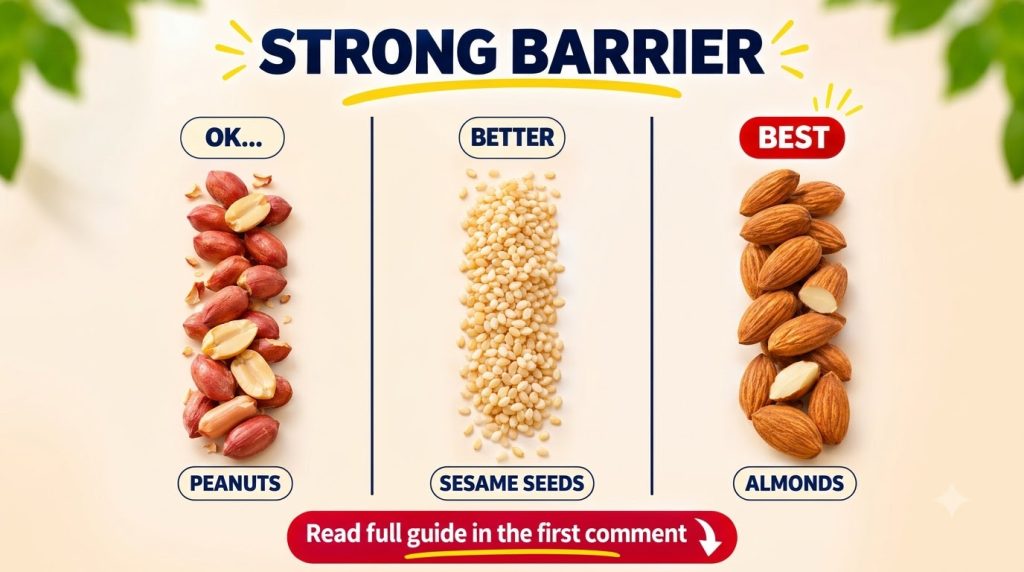
How the Three Options Compare
Peanuts: A Budget-Friendly Staple
Peanuts are affordable, widely available, and rich in protein and monounsaturated fats. They also contain resveratrol and several B vitamins. Because they are legumes rather than true nuts, they are often a good everyday choice, especially when you choose unsalted, dry-roasted varieties and keep portions moderate.
Sesame Seeds: A Mineral-Rich Upgrade
Sesame seeds stand out for their calcium, iron, magnesium, and copper content. Hulled sesame seeds are especially convenient to sprinkle over salads, grain bowls, and vegetables. Their natural oils also contain lignans, plant compounds studied for their antioxidant potential.
Almonds: The Top Pick for Many Readers
Almonds are often ranked first for good reason. They supply vitamin E, a fat-soluble antioxidant that helps protect cells from oxidative stress, along with fiber, magnesium, and healthy fats. A small handful can help you feel fuller between meals, which supports mindful eating and steady energy.
How to Build Your Own Strong Barrier
Think of your daily nutrition as a protective barrier built from many smaller choices. Here are practical ways to get started:
-
Keep a small container of raw or dry-roasted almonds at your desk for snack time.
-
Sprinkle hulled sesame seeds or ground flaxseed over oatmeal, yogurt, or salads.
-
Choose unsalted nut butters with no added sugar or hydrogenated oils.
-
Watch portions: a typical serving is about one ounce, or roughly a small handful.
-
Rotate your choices so you benefit from a wider range of nutrients.
Tips for Choosing Quality Nuts and Seeds
-
Read labels and look for minimal ingredients.
-
Store nuts and seeds in airtight containers in a cool, dark place to protect their healthy oils.
-
If you have allergies or dietary restrictions, check with a healthcare professional before making major changes.
The Bottom Line
Peanuts, sesame seeds, and almonds each bring valuable nutrition to your table. Almonds currently rank as the best overall pick for vitamin E and fiber, while sesame seeds are an excellent mineral boost and peanuts remain an affordable, protein-rich option. Build your strong barrier one thoughtful choice at a time, and enjoy a variety that fits your lifestyle.