Most people ignore the stinging sensation of nettle, dismissing it as just another troublesome weed. But what if this common plant holds a surprising key to feeling better, especially if you deal with seasonal sniffles, joint stiffness, or simply want a gentle natural boost? The truth is, many herbalists have quietly relied on stinging nettle for centuries, recognizing its potent, restorative qualities that go far beyond its prickly reputation. One small preparation mistake, however, can ruin the whole batch of this incredible natural remedy.
What is Stinging Nettle?
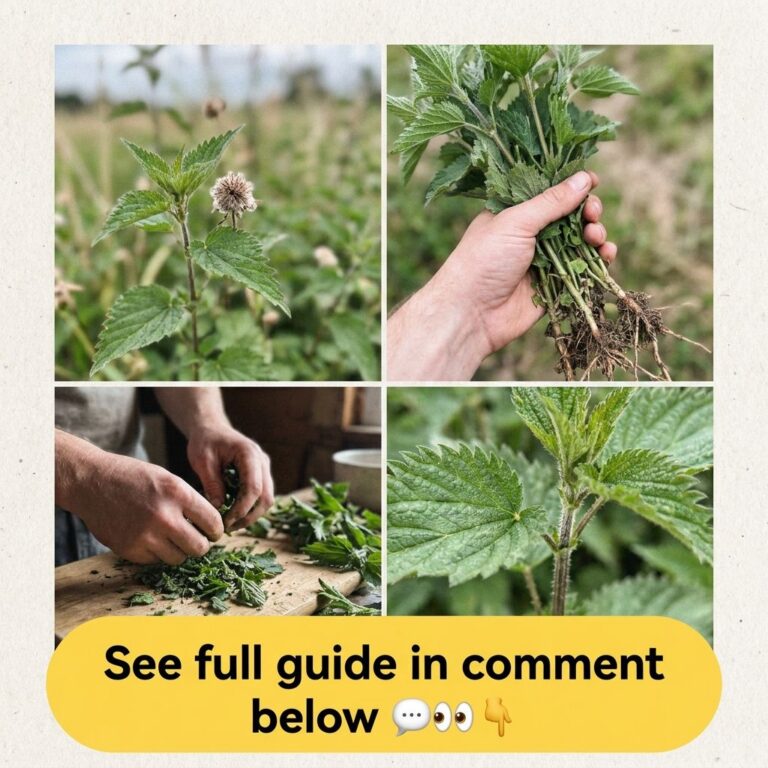
Stinging Nettle (Urtica dioica) is a herbaceous perennial flowering plant found in temperate regions worldwide. Known for its heart-shaped, serrated leaves covered in tiny, hollow, stinging hairs, it’s often avoided by gardeners. However, once blanched, dried, or otherwise prepared, these stinging hairs are neutralized, unlocking a powerhouse of nutrients and compounds. It’s a plant rich in vitamins A, C, K, and B, as well as minerals like iron, calcium, magnesium, and potassium. More than just a multivitamin, nettle also contains active compounds that contribute to its traditional uses.
Ingredients for a Simple Nettle Infusion
The easiest and most common way to harness nettle’s benefits is through a warm, nourishing tea or infusion. This simple preparation extracts its water-soluble compounds effectively.
- Dried Stinging Nettle Leaves: 1-2 tablespoons per cup
- Fresh Stinging Nettle Leaves: 1/4 – 1/2 cup (densely packed) per cup (use gloves when handling!)
- Hot Water: 1 cup per serving (just off the boil)
- Optional: Honey or lemon to taste
Formula: Simple Nettle Infusion
Whether you’re using fresh or dried nettle, the basic method for making a potent infusion remains straightforward. The goal is to steep the plant material long enough to extract its beneficial compounds without losing volatile components to excessive heat.
Step-by-Step Method
- Gather/Measure: If using fresh nettle, carefully pick young, tender leaves and stems (wear gloves!). Wash them thoroughly under cold water. If using dried, measure out the desired amount.
- Prepare the Nettle: For fresh nettle, chop the leaves and small stems roughly to expose more surface area. For dried, no extra prep is needed.
- Place in Container: Put the nettle (fresh or dried) into a heat-proof mug or a French press.
- Add Hot Water: Pour hot water (just off the boil, around 200°F or 93°C) over the nettle.
- Steep: Cover the mug to prevent beneficial volatile oils from escaping. Steep for at least 10-15 minutes for a standard tea, or for 4-8 hours (or overnight) for a more concentrated