Cutting into a firm pineapple when you were hoping for a sweet, juicy snack is a frustrating kitchen moment. The good news is that a pineapple’s skin color offers useful clues about how it will taste and feel, and knowing those signs can help you choose the right fruit for the job.
Each ripeness stage has its own texture, flavor, and best use. Here is how to match the fruit to what you are making, from savory cooking to sweet snacking.
Why Ripeness Matters When You Are Choosing a Pineapple
A pineapple does not sweeten much after it is picked, so the stage you buy largely determines what you will get. Matching the skin color to your dish can noticeably change both the flavor and the texture of your meal.
Green Pineapples: Best for Cooking and Savory Dishes
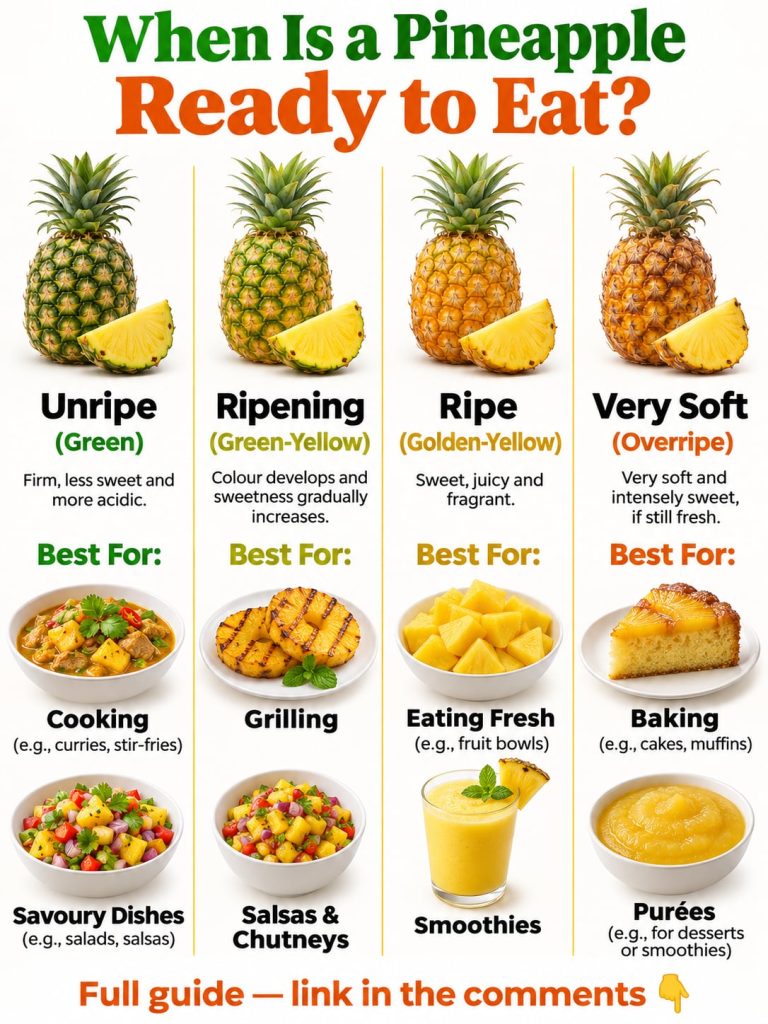
A fully green pineapple is firm and tart. Its flesh is less sweet, which makes it well suited to dishes where it is cooked or combined with savory ingredients.
- Grilled pineapple with a savory glaze or a sprinkle of chili and lime
- Stir-fries and curries, where the fruit holds its shape during cooking
- Salsas and chutneys that balance rich or spicy flavors
Golden Yellow Pineapples: Ideal for Snacking
As the skin turns yellow, the fruit becomes softer and noticeably sweeter. This stage is often the most enjoyable for eating fresh, whether sliced, cubed, or added to a fruit bowl.
Signs of a Pineapple Ready to Eat
- Skin that shows a clear golden or yellow tone, especially near the base
- A sweet, fragrant aroma at the bottom end of the fruit
- Slight give when gently pressed, without soft or dark spots
Choosing the Right Stage for Baking and Grilling
For baking, slightly riper fruit tends to add natural sweetness to cakes, muffins, and upside-down desserts. For grilling, a fruit that is sweet but still firm holds up well over heat and caramelizes nicely on the surface.
Quick Tips for Picking the Perfect Pineapple
- Decide how you plan to use the fruit before you shop.
- Look for even skin color that matches your chosen stage.
- Smell the base of the fruit, since a sweet aroma is a helpful sign of ripeness.
- Avoid fruit with mold, a fermented smell, or very soft, dark areas.
Storage Tips After You Buy
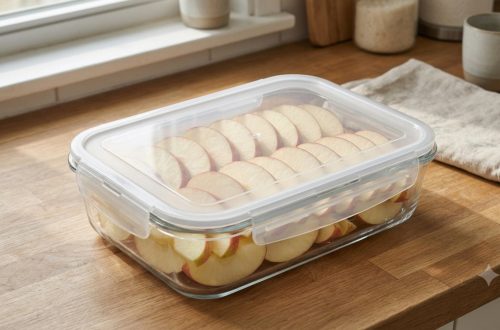
Keep a green pineapple at room temperature until it begins to change color. Once a pineapple is ripe, refrigerate cut pieces in an airtight container and enjoy them within a few days for the best flavor.
Frequently Asked Questions
Can a pineapple ripen after it is picked?
A pineapple will soften and develop some color after harvest, but it will not become significantly sweeter. Choosing the right stage at the store matters more than waiting.
Is pineapple a good fruit to include in a balanced diet?
Pineapple can be a flavorful addition to a balanced diet as part of a variety of fruits and vegetables. Individual needs vary, so anyone with specific dietary concerns should consult a qualified healthcare professional.
Final Thoughts
Learning to read a pineapple’s ripeness takes the guesswork out of shopping. Match the stage to your plans, whether that is savory cooking, grilling, baking, or simply enjoying a sweet, juicy snack.
Medical Disclaimer: This article is for general informational purposes and is not a substitute for professional medical advice.