Most people ignore the unassuming plantain that grows in their backyard, often dismissing it as a common weed. What many don’t realize is that this resilient plant, easily identifiable by its ribbed leaves, holds an ancient secret for calming skin irritations, insect bites, and minor wounds. One small preparation mistake, however, can prevent you from harnessing its full soothing power. Before you reach for synthetic creams, consider this humble, yet incredibly effective, natural fix.
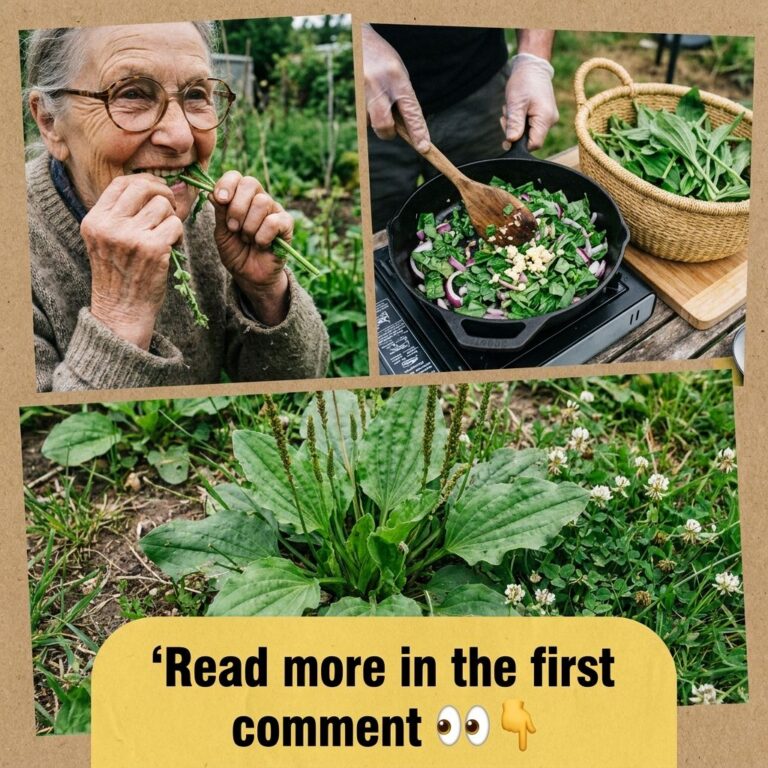
What is Broadleaf Plantain?
Broadleaf plantain (Plantago major) is a perennial herb found almost everywhere, from garden beds to sidewalk cracks. Characterized by its broad, oval-shaped leaves with distinct parallel veins, it’s not the banana-like fruit, but rather the leafy green itself that herbalists value. For centuries, various cultures have turned to plantain for its remarkable ability to soothe and protect the skin, making it a staple in traditional folk remedies.
Ingredients for Your Soothing Plantain Poultice
To create a potent, calming poultice for skin relief, you’ll need just a few accessible items, building on traditional methods that enhance plantain’s natural properties:
- 1 cup fresh broadleaf plantain leaves, washed and finely chopped
- 1/4 medium red onion, finely minced
- 2 cloves garlic, minced
- 1-2 tablespoons purified water (or just enough to create a paste)
- Optional: 1 teaspoon olive oil or coconut oil (for added moisture and skin nourishment)
Approximate Measurements
The key to an effective poultice is creating a consistency that adheres to the skin without being too watery. Adjust the liquid content carefully.
- Plantain: Roughly 1 cup of packed, chopped leaves.
- Red Onion: A quarter of a standard red onion.
- Garlic: Two medium cloves.
- Water/Oil: Start with 1 tablespoon and add slowly until a thick paste forms.
Formula / Recipe: The Plantain, Onion, & Garlic Compress
This formula combines the soothing properties of plantain with the antimicrobial benefits of onion and garlic. The goal is a warm compress that delivers active compounds directly to the irritated area.
Step-by-Step Method
- Harvest & Clean: Gather fresh broadleaf plantain leaves from a clean, pesticide-free area. Wash them thoroughly under cool running water to remove any dirt or debris.
- Prepare Ingredients: Finely chop the washed plantain leaves, mince the red onion, and crush/mince the garlic cloves.
- Combine: In a mortar and pestle or a small bowl, combine the chopped plantain, minced red onion, and minced garlic.
- Create Paste: Slowly add purified water, a teaspoon at a time, mashing or stirring vigorously, until a thick, uniform paste is formed. If using, incorporate the optional olive or coconut oil here. The mixture should be moist but not runny.
- Warm Gently (Optional but Recommended): For a warm compress, gently heat the mixture in a small, non-reactive pan over very low heat for 1-2 minutes, stirring constantly. Do not boil or cook extensively, as this can degrade active compounds. The goal is simply to warm it.
- Apply: Spread the warm paste directly onto a clean cloth or gauze.
Quick Tip: Fresh vs. Dried Plantain
For poultices, fresh plantain leaves are generally preferred due to their higher water content and readily available active compounds. Dried leaves can be rehydrated, but they may not offer the same immediate soothing effect. Always opt for fresh if possible.
How to Use Your Plantain Poultice
This poultice is best used topically for localized skin issues. Carefully apply the cloth with the poultice directly to the affected skin area. Gently secure it in place with medical tape, a bandage, or a clean cloth wrap. The warmth from a gently heated poultice can enhance absorption and provide additional comfort.
How Often to Use
For acute irritations like insect bites or minor cuts, apply the poultice for 20-30 minutes, 2-3 times a day. For more persistent issues, you can apply it daily, ensuring you prepare a fresh batch each time. Discard any unused portion.
Why It Works (Science Insight)
The effectiveness of broadleaf plantain lies in its rich composition. It contains compounds like aucubin (an iridoid glycoside with antimicrobial properties), allantoin (known for stimulating cell growth and tissue regeneration), and various flavonoids and tannins. These constituents work synergistically:
- Anti-inflammatory: Reduces swelling and redness.
- Antimicrobial: Helps protect against infection in minor wounds.
- Astringent: Tightens tissues, which can help stop minor bleeding and reduce fluid discharge.
- Vulnerary: Supports wound healing and skin repair.
The addition of red onion and garlic further enhances the poultice’s anti-inflammatory and antiseptic qualities, making it a robust combination for skin support.
Who Benefits Most
This broadleaf plantain poultice is particularly beneficial for:
- Gardeners and outdoor enthusiasts prone to insect bites, stings, or minor scrapes.
- Individuals with sensitive skin experiencing minor rashes or irritation.
- Anyone seeking a natural, accessible remedy for everyday skin woes.
How to Choose & Prepare Your Ingredients
The best plantain comes from clean, wild areas away from roadsides or chemically treated lawns. If harvesting yourself, ensure positive identification. If buying, look for organic, freshly harvested leaves from reputable herbal suppliers.
Common Mistake: Using Sprayed Plants
Never use plantain from areas that may have been treated with herbicides or pesticides. These chemicals can be absorbed by the plant and then transferred to your skin, potentially causing more harm than good. Always harvest from pristine environments.
Storage
This poultice is best used immediately after preparation. Do not store leftover poultice, as the fresh ingredients can quickly degrade and lose their potency, and microbial growth can occur.
Practical Tips for Enhanced Efficacy
- Test a Small Area: Before applying broadly, test a small, inconspicuous patch of skin to check for any sensitivity.
- Clean Skin: Always apply the poultice to clean, dry skin.
- Gentle Pressure: When securing the poultice, ensure it’s firm enough to stay in place but not so tight that it restricts circulation.
- Consistency is Key: For chronic issues, regular application as directed can yield better results.
Common Mistakes to Avoid
- Improper Plant Identification: Mistaking plantain for another plant can be ineffective or even harmful. Always be certain of your identification.
- Using Dirty Leaves: Skipping thorough washing can introduce bacteria to your skin.
- Overheating the Mixture: High heat can destroy the delicate active compounds in plantain, garlic, and onion.
- Reusing Poultice: Old poultices can harbor bacteria and lose potency. Always make a fresh batch.
Cautions / Who Should Avoid It
While generally safe for topical use, a few considerations exist:
- Allergies: If you have known allergies to plantain, onion, or garlic, avoid using this poultice.
- Deep Wounds: For deep punctures, severe burns, or infected wounds, consult a medical professional. This poultice is intended for minor skin irritations.
- Pregnancy/Nursing: Consult a healthcare provider before using any new herbal remedy.
Quick Summary: Broadleaf Plantain Poultice
The broadleaf plantain poultice is a simple, effective home remedy for minor skin irritations. It’s best prepared fresh using clean plantain leaves, minced red onion, and garlic, combined into a paste. Apply for 20-30 minutes, 2-3 times daily, or as needed. Its anti-inflammatory and antimicrobial properties make it ideal for bug bites, small cuts, and rashes. Always use fresh ingredients and discard after each use.
Frequently Asked Questions
Q: Can I use dried plantain leaves for the poultice?
A: While fresh is best, you can rehydrate dried plantain leaves in a small amount of warm water before chopping and mixing. The potency might be slightly reduced.
Q: How long does the poultice take to work?
A: For acute issues like bug bites, relief can be felt within minutes to an hour after application. For minor rashes, consistent use over a day or two may be needed.
Q: Can I use other types of onions or skip the garlic?
A: Red onion and garlic are chosen for their strong additional medicinal properties. You can adjust based on availability or preference, but the efficacy may change.
Q: Is it safe for children?
A: For minor skin irritations in children, topical plantain poultices are generally considered safe. However, always perform a patch test first and consult a pediatrician for babies or very young children.
Q: Can I make a large batch and store it?
A: No, this poultice should be made fresh for each use. The fresh ingredients degrade quickly and can develop bacteria.
Q: What if I don’t have a mortar and pestle?
A: You can finely mince the ingredients with a knife and then mash them together with the back of a spoon in a bowl, or use a clean food processor for a coarser blend.
Q: Can I eat broadleaf plantain?
A: Yes, young broadleaf plantain leaves are edible and can be added to salads, smoothies, or cooked like spinach. Read more about edible plantain uses and benefits.
Conclusion
The unassuming broadleaf plantain, often overlooked in our pursuit of exotic remedies, stands as a testament to nature’s simple yet profound healing capabilities. This practical poultice, enhanced with common kitchen ingredients like onion and garlic, provides an accessible and effective solution for a myriad of skin concerns. Embrace this backyard wonder and discover the soothing relief it offers.
You may also like: Natural Itch Relief: DIY Remedies for Pesky Bug Bites
Continue with: Building Your Herbal First Aid Kit: Essentials You Need