Most people ignore common plants growing around them, never realizing the powerful allies they might be for everyday health. When it comes to supporting lung health, many reach for expensive supplements or over-the-counter remedies, overlooking a humble herb that herbalists have cherished for centuries: Mullein. This widespread plant, often dismissed as a weed, holds a surprising secret for those seeking natural support for clearer airways and a calmer respiratory system.
You might be surprised to learn that one small preparation mistake can completely diminish its effectiveness. Don’t let the simplicity of this plant fool you; understanding its proper use is key to unlocking its full potential for respiratory relief.

What is Mullein?
Mullein (Verbascum thapsus) is a biennial plant known for its tall, fuzzy stalks and soft, velvety leaves. It’s often found growing wild in meadows, roadsides, and open fields, making it easily accessible for many. Historically, various parts of the Mullein plant have been used in traditional medicine, particularly for respiratory complaints ranging from coughs and colds to more persistent lung conditions. The leaves and flowers are the primary parts used for remedies, offering properties that can soothe irritation, help expel mucus, and calm inflamed airways.
Ingredients for a Simple Mullein Lung Elixir
Harnessing Mullein’s benefits doesn’t require an elaborate setup. A simple tea or infusion is often the most effective way to utilize its respiratory-supporting compounds.
- Dried Mullein Leaves: 1-2 teaspoons (crushed or cut)
- Hot Water: 1 cup (just off the boil)
- Optional: 1 teaspoon raw honey (for taste and additional soothing)
- Optional: A squeeze of lemon juice (for taste and vitamin C)
Formula / Recipe: Mullein Leaf Infusion
This basic infusion is your gateway to exploring Mullein’s lung-supporting properties. The key is in the steeping process to extract the beneficial compounds without losing their delicate nature.
Step-by-Step Method: Brewing Your Mullein Tea
- Measure Your Mullein: Place 1-2 teaspoons of dried mullein leaves (and optional flowers) into a tea infuser, tea ball, or directly into your mug.
- Heat the Water: Bring 1 cup of fresh water to a boil. Allow it to cool for about 30 seconds after boiling, so it’s not aggressively bubbling, to protect the delicate compounds.
- Pour and Steep: Pour the hot water over the mullein.
- Cover and Infuse: Immediately cover your mug with a lid or saucer. This is a critical step often skipped, but it prevents the volatile oils and beneficial compounds from escaping with the steam. Steep for 10-15 minutes.
- Strain Carefully: Mullein leaves have fine hairs that can be irritating if ingested. Strain the tea thoroughly through a fine-mesh sieve or cheesecloth to remove all plant material. Double straining is recommended for a smooth drink.
- Enhance (Optional): Stir in honey and lemon juice if desired.
Quick Tip: Double Strain for Smoothness
Mullein leaves are covered in fine, hair-like fibers that can be irritating to the throat if not properly strained. Always use a very fine mesh strainer or a coffee filter/cheesecloth to ensure a smooth, comfortable drink.
How to Use and Best Time to Take
For general lung support and soothing irritation, drink 1 cup of Mullein tea, 1-3 times per day. The best time to take it depends on your specific needs:
- For persistent coughs or congestion: Drink in the morning to help clear airways for the day, and again in the evening to promote a more restful night.
- For soothing irritated throats: Sip throughout the day as needed.
- Before bedtime: If respiratory issues are disrupting sleep, a warm cup before bed can be particularly calming.
Why Mullein Works: The Science Insight
Mullein’s efficacy for lung health is attributed to its rich composition of beneficial compounds. It contains:
- Saponins: These compounds act as expectorants, helping to thin mucus and make it easier to cough up, clearing congestion from the lungs and bronchial tubes.
- Mucilage: The soothing, gelatinous substance found in Mullein provides a protective layer over irritated mucous membranes, reducing inflammation and discomfort in the throat and lungs.
- Flavonoids: These antioxidants help protect lung tissues from oxidative stress and inflammation.
- Verbascoside: A potent anti-inflammatory compound that contributes to Mullein’s ability to calm respiratory irritation.
Together, these components work synergistically to support the respiratory system, addressing common problems like dry coughs, excessive mucus, and general irritation.
Who Benefits Most?
- Individuals experiencing seasonal coughs or colds.
- Those with mild congestion or mucus buildup.
- People looking for natural support to soothe an irritated throat or lungs.
- Anyone seeking a gentle herbal remedy for general respiratory wellness.
How to Buy / How to Choose Ingredients
Quality matters when it comes to herbal remedies:
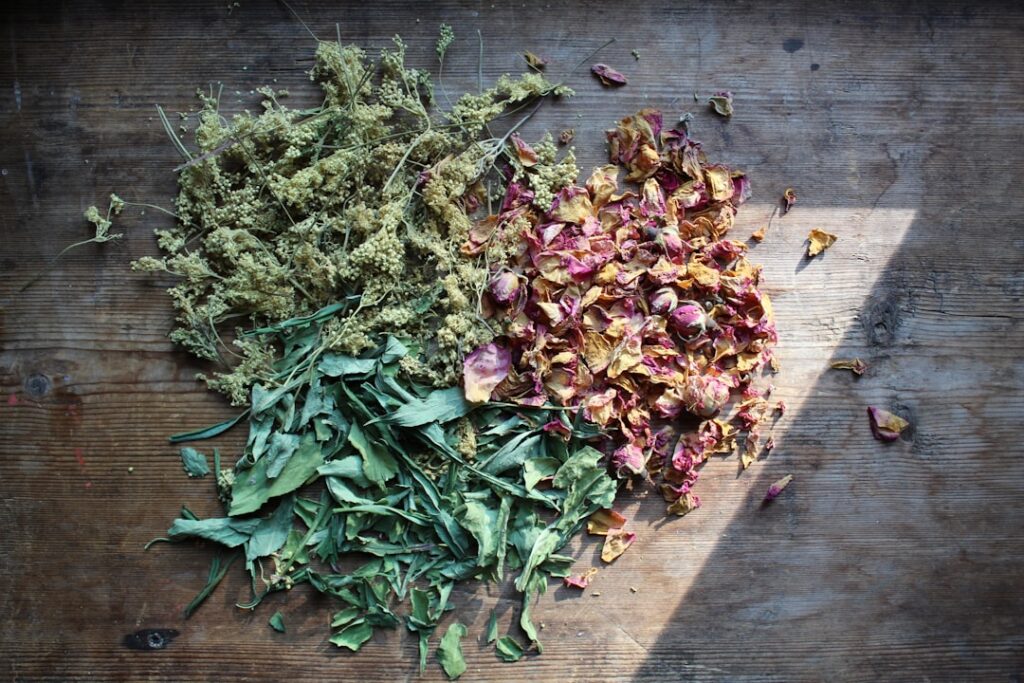
- Dried Mullein Leaves & Flowers: Purchase from reputable herbal suppliers who prioritize organic, sustainably harvested, or wildcrafted sources. Look for vibrant green leaves and intact flowers. Avoid any that appear dusty, discolored, or have an off smell.
- Wildcrafting: If gathering wild Mullein, ensure it’s from an area free of pesticides, herbicides, and pollution (e.g., away from busy roads). Identify the plant correctly – see our full guide on plant identification here.

Common Mistakes When Using Mullein
- Not Straining Properly: The fine hairs on Mullein leaves can irritate the throat. Always double strain through a fine mesh.
- Boiling Too Long: Over-boiling can degrade some of the delicate compounds. Use hot, not aggressively boiling, water for infusion.
- Not Covering While Steeping: Volatile oils and beneficial compounds can evaporate with steam, reducing the tea’s potency. Always cover your mug.
- Using Sprayed Plants: If wildcrafting, ensure the plant hasn’t been exposed to pesticides or pollution.
- Incorrect Identification: Always be 100% sure of your plant identification if harvesting yourself.
Storage
For dried Mullein leaves and flowers:
- Store in an airtight container (glass jar is ideal) in a cool, dark, and dry place.
- Away from direct sunlight and humidity.
- Properly stored, dried Mullein can retain potency for up to 1 year.
For prepared Mullein tea:
- Best consumed fresh.
- Can be stored in the refrigerator in an airtight container for up to 24 hours. Reheat gently, but fresh is always recommended.
Comparison: Fresh vs. Dried Mullein
| Feature | Fresh Mullein | Dried Mullein |
|---|---|---|
| Availability | Seasonal (summer/fall) | Year-round |
| Potency | Slightly higher volatile oils | Concentrated, easier to dose |
| Preparation | Requires careful washing, chopping; fresh can be less common for tea | Easier to measure, consistent for tea |
| Storage | Very short shelf life (days in fridge) | Long shelf life (up to 1 year) |
| Convenience | Less convenient for daily use | Highly convenient |
Cautions / Who Should Avoid It
- Pregnancy and Breastfeeding: Consult a healthcare professional before use due to insufficient research.
- Allergies: If you have allergies to plants in the Scrophulariaceae (figwort) family, exercise caution.
- Medication Interactions: While generally considered safe, discuss with your doctor if you are taking any medications, especially diuretics or blood thinners.
- Hairs: Always strain properly to avoid irritation from the fine hairs.
Quick Summary: Your Mullein Lung Remedy Cheat Sheet
- Best Preparation: Hot infusion (tea) from dried leaves/flowers.
- Best Use-Case: Soothing coughs, clearing congestion, reducing lung irritation.
- Storage: Dried herbs in airtight containers, tea fresh or up to 24 hours refrigerated.
- When to Use: 1-3 times daily, morning, evening, or as needed.
- What to Avoid: Improper straining, over-boiling, using contaminated plants.
FAQ: Mullein Lung Health
- Can I use fresh Mullein leaves for tea? Yes, but ensure they are thoroughly washed and free of pesticides. Use about twice the quantity of fresh leaves compared to dried, and strain meticulously.
- How long does Mullein tea last? It’s best consumed fresh. If stored, refrigerate in an airtight container for up to 24 hours.
- What part of the Mullein plant is best for lung health? The leaves and flowers are primarily used for respiratory remedies.
- Can I reuse the Mullein leaves for another cup of tea? While you can try, the second brew will be significantly weaker as most beneficial compounds are extracted in the first steep.
- Is Mullein tea safe for children? Always consult a pediatrician before giving any herbal remedies to children.
- How quickly will I notice effects? Effects can vary, but many report relief from coughs and irritation within a few hours or days of consistent use.
- Can I add other herbs to Mullein tea? Yes, herbs like ginger, peppermint, or thyme can complement Mullein’s benefits and add flavor. Read more about herbal synergies here.
- Why do I need to cover the tea while steeping? Covering prevents the volatile compounds, which contribute to the herb’s effectiveness, from escaping with the steam.
Conclusion
The secret to supportive lung health doesn’t always lie in complex solutions or exotic ingredients. Sometimes, the most profound remedies are found right in our own backyards. Mullein, with its gentle yet effective properties, offers a practical, accessible way to support your respiratory system naturally. By understanding how to prepare and use it correctly, you can harness the unexpected power of this common plant for clearer, calmer breathing.
Continue your journey into natural remedies with our guide to natural cold and flu remedies.