Dark spots can make your complexion look uneven, and many of us would love a gentle, affordable way to work on them at home. This natural DIY approach uses fresh aloe vera and simple kitchen powders to support a brighter, more even-looking tone. Read on to learn how dark spots form, how to prepare a soothing blend safely, and what realistic results look like.
Why Dark Spots Appear
Dark spots, also known as hyperpigmentation, form when the skin produces extra melanin. Sun exposure, hormonal changes, and past irritation such as acne or inflammation can all trigger this response. Because the skin renews itself slowly, fading takes patience and consistent care.
What Aloe Vera Brings to the Routine
Fresh aloe vera gel is known for its hydrating and soothing qualities. It can make a homemade treatment feel more comfortable on the skin, which matters because irritated skin tends to hold onto discoloration longer. Always choose pure gel from a fresh leaf or a product with minimal additives.
A Simple Way to Prepare the Blend
Many kitchen powders are gentle, but they vary in strength and can irritate sensitive skin. The original idea combines two natural powders with aloe, so use small amounts and keep your method simple:
- Wash your hands and a small clean bowl.
- Add a small pinch of one powder to a spoonful of fresh aloe gel.
- Stir until smooth, then add a tiny amount of the second powder only if the first feels comfortable.
- Adjust the texture with a little more gel until it spreads easily without dripping.
- Make only enough for one or two uses, since fresh mixtures should not be stored for long.
Patch Test Before Your First Use
Before applying the mixture to your face, dab a small amount on the inside of your forearm or behind your ear. Wait 24 hours. If you notice redness, itching, burning, or swelling, rinse the area and do not use the blend on your face.
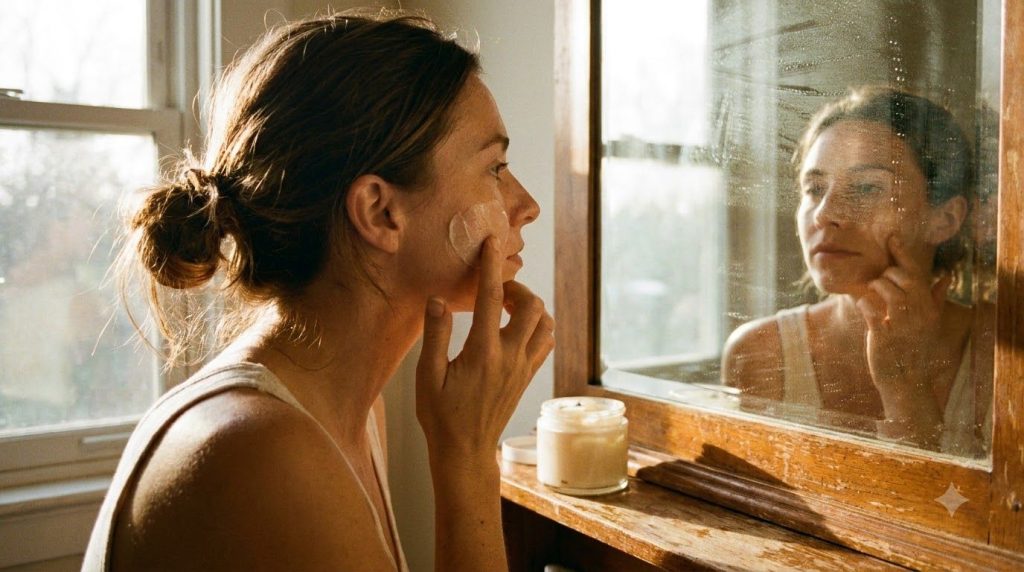
Set Realistic Expectations
Three weeks is a common timeframe people mention when they notice early changes, but results differ from person to person. Consistency matters more than strength. Apply a thin layer a few evenings each week, and pair it with a gentle moisturizer and daily sunscreen. Sunscreen is essential, because sun exposure can darken existing spots and slow progress.
When to Speak With a Professional
If a spot is growing, changing in color or shape, bleeding, or causing discomfort, see a dermatologist before trying any home treatment. A professional can confirm what the spot is and suggest options that suit your skin type.
Final Thoughts
A calm, simple routine with aloe vera, careful patch testing, and daily sun protection can be a practical part of caring for uneven skin tone. Start slowly, be patient with your skin, and enjoy the process of building a routine that feels good to you.