Dirty grout is one of those problems that makes an otherwise clean bathroom or kitchen look tired. Scrubbing with a regular all-purpose cleaner can help a little, but many people end up spending an hour on their knees with limited results. A homemade paste made from common household ingredients is a practical first step, especially for light to moderate grime.
The original tip promises a quick fix using four everyday ingredients, with the full method shared separately. Since the exact formula and quantities were not clear, the steps below use a widely practiced grout-cleaning approach that is easy to follow and safe to test. If you have the full original recipe, follow its proportions instead and keep the safety steps in this guide.
What You’ll Need
Cleaning Ingredients
- Baking soda, about 1/2 cup
- Water, added slowly as needed
- White vinegar, for an optional light spray after the paste
Tools
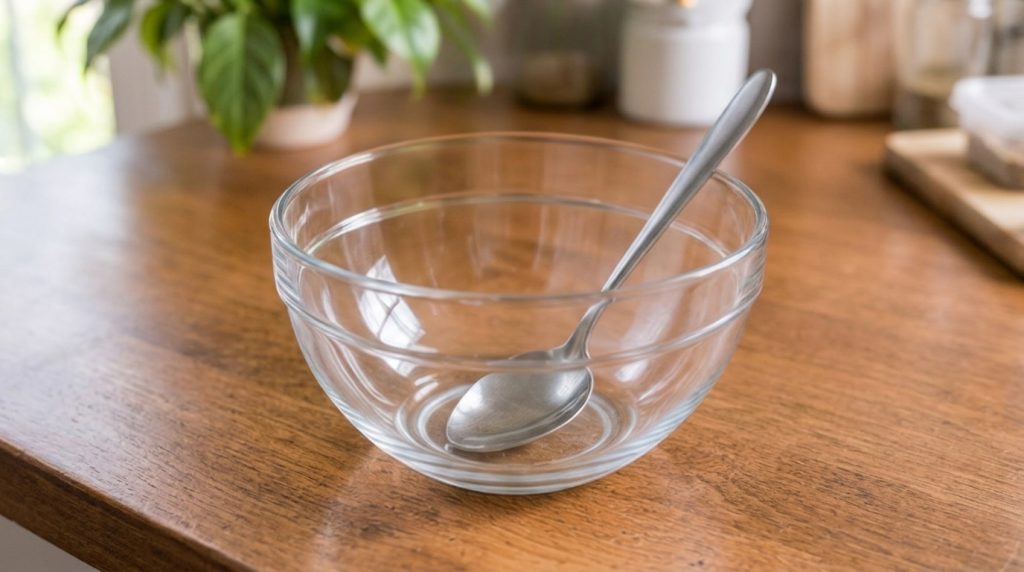
- A small bowl and spoon
- A soft-bristled grout brush or old toothbrush
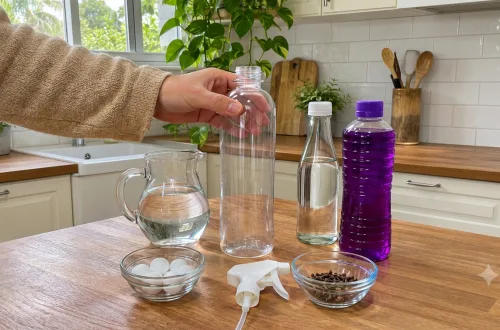
- A spray bottle
- A microfiber cloth or sponge
- A bucket of clean water for rinsing
- Rubber gloves and a ventilated room
Why This DIY Can Be Useful
Baking soda is a mild abrasive. It loosens surface grime without the harshness of many commercial cleaners, which makes it a good choice for routine grout care. When mixed with a little water, it forms a paste that stays where you put it long enough to work on vertical and overhead lines.
White vinegar can help break down soap residue and some mineral buildup. It works best as a follow-up spray rather than an ingredient you mix straight into the baking soda, because the two react and lose much of their cleaning action.
How to Make It
- Pour about 1/2 cup of baking soda into a small bowl.
- Add water a teaspoon at a time, stirring after each addition, until the mixture looks like a thick, spreadable paste. It should hold its shape on a spoon without dripping.
- Fill a spray bottle with equal parts white vinegar and water if you plan to use the optional spray.
- Keep the paste and spray separate until you are ready to use them.
How to Use It
- Remove loose dirt and dust by sweeping or vacuuming the area first.
- Dampen the grout lines lightly with water so the paste spreads more easily.
- Apply a thin layer of paste directly over the grout lines with a spoon or small brush.
- Let it sit for about 10 to 15 minutes. Do not let it dry completely, so mist with a little water if it starts to crack.
- Scrub each line gently with a soft-bristled brush, working in short back-and-forth strokes.
- Wipe away the paste with a damp cloth, rinsing the cloth often.
- If stains remain, lightly spray the grout with the vinegar solution, wait a minute, then scrub again.
- Rinse the area with clean water and dry it with a microfiber cloth.
What to Expect
Light surface dirt and dull grout often look noticeably fresher after one session. Older stains, darker discoloration, or grout that has absorbed grease may need two or three rounds, and some discoloration may not disappear completely. Think of this as a practical refresh rather than a permanent restoration. Regular wiping after showers or cooking will help the results last much longer.
Helpful Tips
- Work on one small section at a time so the paste does not dry out.
- Use a brush that is firm enough to work the grout but soft enough not to scratch glazed tile.
- Clean a small part of the grout first to see how it responds before tackling the whole floor or wall.
- Dry the area well afterward, since leftover moisture can make dirt appear faster.
Important Notes / Safety
- Never mix vinegar with bleach or bleach-based cleaners. The combination can release harmful fumes.
- Avoid using vinegar on natural stone such as marble, travertine, or limestone, as it can etch the surface.
- Test the paste and spray in a hidden corner first, especially on colored or unsealed grout.
- Open a window or run a fan while cleaning, and wear gloves to protect your skin.
- Rinse thoroughly so no residue is left behind on the tile surface.
- Store any leftover baking soda in a dry, sealed container. Make only as much paste as you need, since it does not keep well once mixed.