Most people walk past this common plant every day, completely unaware they hold a powerhouse of natural vitality in their own backyard or local market. If you’ve ever felt a persistent drag in your energy, battled with digestive discomfort, or simply wished for a gentle, natural way to support your overall well-being, the answer might be literally in your hands. This isn’t about exotic supplements or complex concoctions; it’s about harnessing the simple, yet profound, benefits of Moringa leaves.
For centuries, traditional cultures have revered this plant, often calling it the ‘Miracle Tree’ or ‘Green Gold’ due to its exceptional nutritional profile. Yet, in our modern world, we often overlook the most basic, readily available natural fixes. What if we told you that the key to feeling more energized, balanced, and vibrant could be as simple as incorporating these humble leaves into your daily routine? This guide will show you exactly how to transform this overlooked ingredient into a powerful ally for your health.
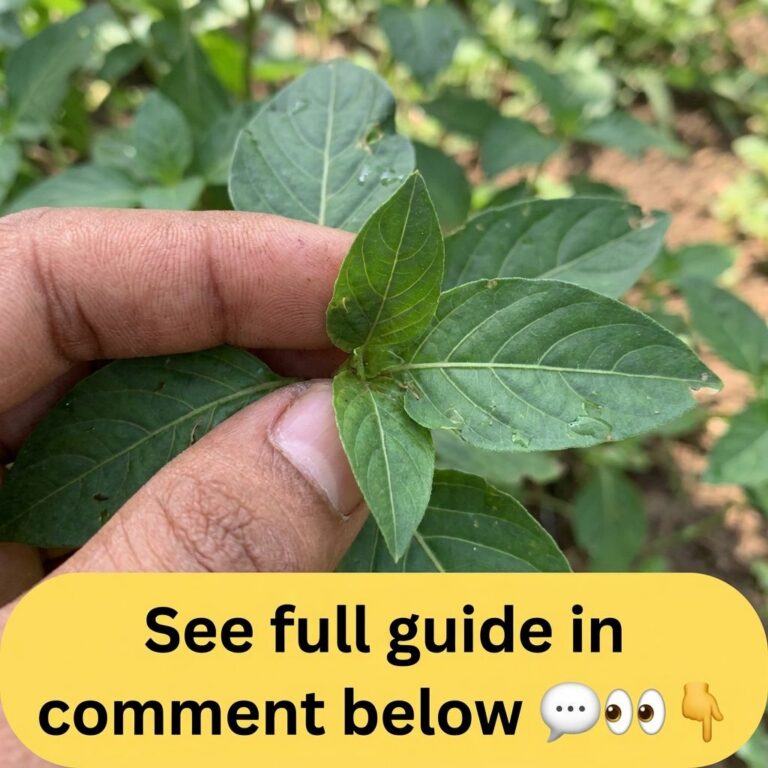
What are Moringa Leaves?
Moringa oleifera, commonly known as Moringa, is a fast-growing, drought-resistant tree native to India but now widely cultivated in tropical and subtropical areas. While the pods, flowers, and seeds are also used, it’s the leaves that truly earn the ‘superfood’ title. They are packed with vitamins, minerals, amino acids, and potent antioxidants, often boasting more nutrient density than many common fruits and vegetables.
Think of them as nature’s multivitamin. From supporting healthy blood sugar levels to combating inflammation and nourishing your gut, Moringa leaves offer a holistic approach to wellness. We’re not talking about a magic bullet, but a consistent, gentle support system for your body’s natural functions.
How to Prepare Your Own Moringa Leaf Tea
One of the easiest and most effective ways to integrate Moringa into your routine is through a simple tea or infusion. This method extracts many of the beneficial compounds without harsh processing.
Ingredients:
- Fresh Moringa leaves: Approximately 1 cup, loosely packed (about 20-30 medium leaves)
- OR Dried Moringa leaves: 1-2 teaspoons
- OR Moringa powder: ½ to 1 teaspoon
- Hot water: 1 cup (240 ml)
- Optional: Honey, lemon, or a slice of ginger for taste
Formula / Recipe: Moringa Infusion
- Harvest/Measure: If using fresh leaves, gently rinse them under cold water. If using dried leaves or powder, measure the desired amount.
- Heat Water: Bring fresh water to a boil.
- Combine: Place the fresh leaves (or dried leaves/powder) in a mug or teapot. Pour the hot water over them.
- Steep: Cover the mug/pot to trap the beneficial compounds. Steep for 5-10 minutes. For a stronger brew, steep longer. If using powder, stir well to dissolve.
- Strain & Serve: Strain out the leaves (if using fresh or dried leaves) and enjoy. Add optional sweeteners or flavorings if desired.
Quick Tip: Don’t boil fresh Moringa leaves directly. High heat can degrade some of its delicate nutrients. An infusion method is best for preserving its potency.
How to Use & Best Time to Take
Moringa tea is quite versatile and can be enjoyed at various times throughout the day, depending on your goals.
- Morning Boost: Drink a cup on an empty stomach to kickstart your metabolism and boost energy.
- After Meals: A cup after lunch or dinner can aid digestion and help regulate blood sugar levels.
- Before Bed: While generally not a sedative, some find the ritual calming. It’s caffeine-free, so it won’t interfere with sleep.
- During Bloating/Discomfort: The anti-inflammatory properties can be soothing during periods of mild digestive upset.
Start with one cup a day and observe how your body responds. You can gradually increase to two cups if desired, but consistency is more important than quantity.
Why It Works: The Science Insight
Moringa leaves are a nutritional powerhouse, contributing to their traditional reputation. They contain:
- Antioxidants: Rich in quercetin, chlorogenic acid, and Vitamin C, Moringa helps combat oxidative stress and protect cells from damage. This is key for overall cellular health and reducing systemic inflammation.
- Vitamins & Minerals: An excellent source of Vitamin A, B vitamins (B1, B2, B3, B6), folate, calcium, potassium, iron, magnesium, and zinc. These support everything from bone health to nerve function and red blood cell production.
- Anti-inflammatory Compounds: Isothiocyanates, found in Moringa, are known for their anti-inflammatory properties, which can benefit joint health, digestion, and overall immune response.
- Amino Acids: Moringa contains all nine essential amino acids, making it a complete protein source, which is rare for a plant. This supports muscle repair and overall body function.
These compounds work synergistically to support gut health by reducing inflammation, aid liver detoxification, balance blood sugar, and provide a sustained energy boost without the jitters of caffeine.
Who Benefits Most?
Moringa can be a valuable addition for a wide range of people, particularly those looking to:
- Increase their daily nutrient intake naturally.
- Support healthy digestion and reduce occasional bloating.
- Boost energy levels without stimulants.
- Manage inflammation naturally.
- Support balanced blood sugar.
- Enhance overall vitality and immune function.
It’s an excellent choice for individuals seeking a plant-based, accessible way to enhance their nutritional foundation.
How to Buy / How to Choose Ingredients
Choosing the right Moringa is crucial for maximizing its benefits.
Fresh vs. Dried Moringa
| Feature | Fresh Moringa Leaves | Dried Moringa Leaves / Powder |
|---|---|---|
| Availability | Seasonal, often at farmers’ markets or if you grow your own | Year-round, widely available online and in health food stores |
| Nutrient Profile | Highest in some heat-sensitive vitamins (e.g., Vitamin C) | Still highly nutritious; some vitamins reduced, others concentrated |
| Preparation | Can be used in salads, smoothies, stir-fries, or tea | Best for teas, smoothies, cooking, or capsules |
| Flavor | Mild, slightly peppery, green taste | More concentrated, earthy taste |
| Cost | Often more affordable if homegrown or locally sourced | Varies by brand and quality; generally accessible |
Tips for Choosing:
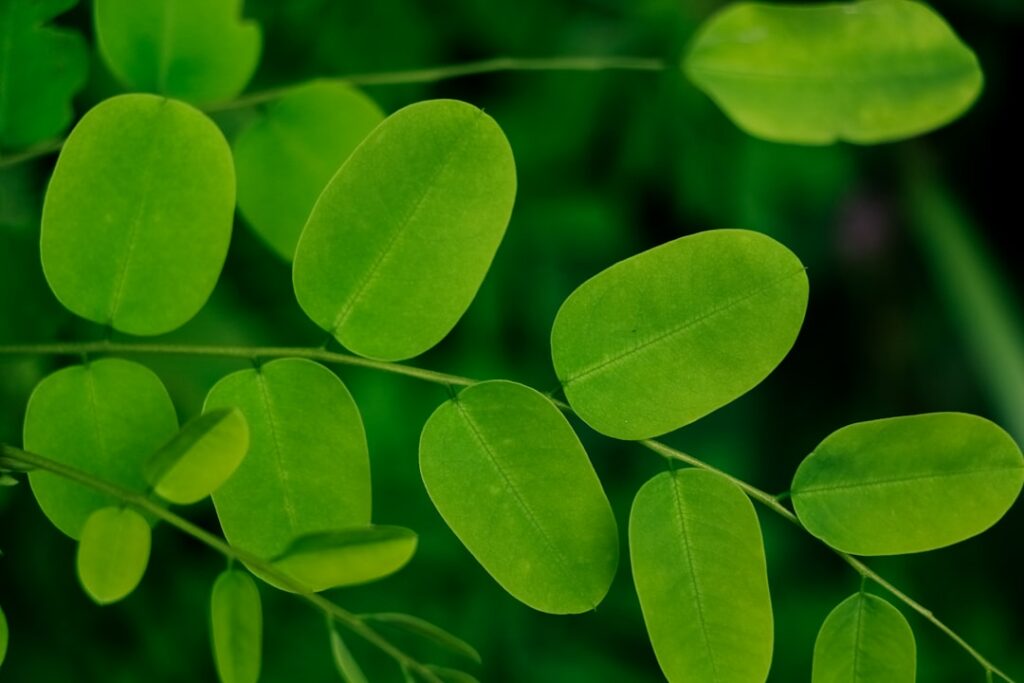
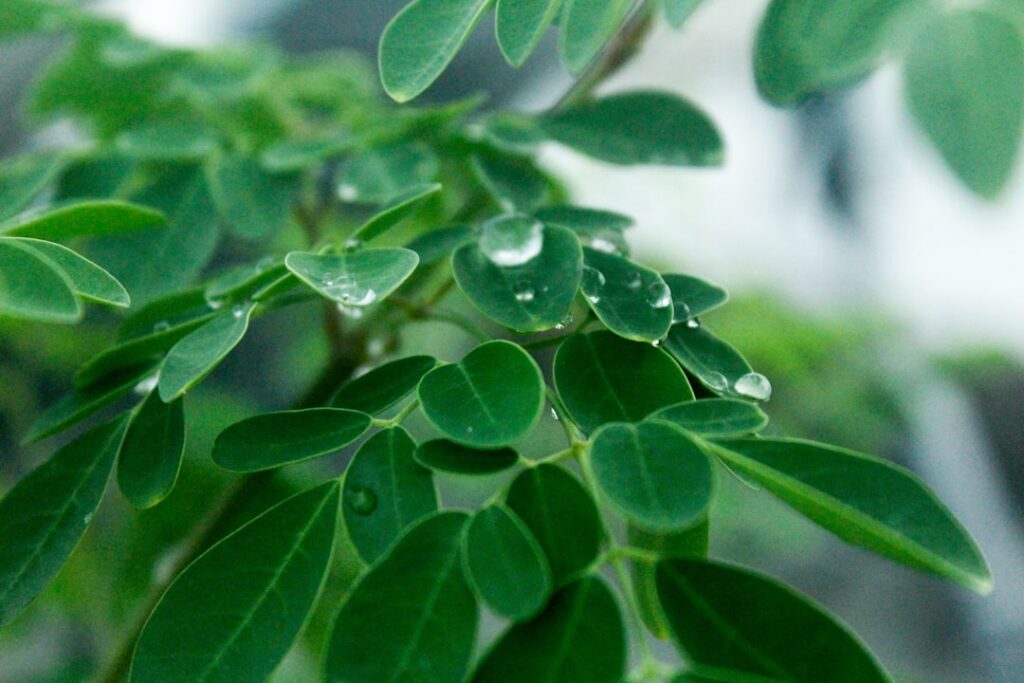
- Fresh: Look for vibrant green leaves, free from yellowing or brown spots.
- Dried/Powder: Choose organic, reputable brands. The color should be bright green, not dull or brownish, indicating freshness and proper drying methods. Avoid products with added fillers or artificial ingredients.
Storage
- Fresh Leaves: Store in a plastic bag in the refrigerator for up to 5-7 days, similar to spinach or other leafy greens.
- Dried Leaves: Keep in an airtight container in a cool, dark, dry place. They can last for several months.
- Moringa Powder: Store in an airtight container away from direct sunlight and moisture. It generally lasts for 6-12 months, but potency may decrease over time.
Practical Tips
- Start Small: If new to Moringa, begin with smaller doses (e.g., ½ teaspoon powder or a few fresh leaves) to assess your tolerance.
- Mix It Up: Don’t limit yourself to tea! Add fresh leaves to salads or stir-fries, or blend powder into smoothies, yogurt, or even soups.
- Consistency is Key: Like most natural remedies, the benefits of Moringa are cumulative. Regular, consistent use yields the best results.
- Listen to Your Body: Pay attention to how you feel. Adjust dosage or frequency as needed.
Common Mistakes
- Boiling Fresh Leaves: Directly boiling fresh leaves can destroy some heat-sensitive nutrients. Infusing (steeping in hot water) is preferable for tea.
- Using Stale/Brown Powder: If your Moringa powder is dull in color or has an off smell, it’s likely old and has lost much of its potency. Always opt for fresh, vibrant green powder.
- Overdosing: While generally safe, excessive amounts can sometimes lead to mild digestive upset. Stick to recommended doses.
- Ignoring Quality: Not all Moringa products are created equal. Avoid products from unknown sources or those with fillers.
Cautions / Who Should Avoid It
While Moringa is generally safe for most people, some considerations apply:
- Pregnancy & Breastfeeding: Consult a healthcare professional before using Moringa, especially in concentrated forms, as its effects during pregnancy and lactation are not fully studied.
- Medication Interactions: Moringa may interact with certain medications, particularly blood thinners (due to Vitamin K content), blood pressure medications, and diabetes medications. If you are on any regular medication, speak to your doctor before incorporating Moringa.
- Low Blood Sugar/Pressure: Moringa can lower blood sugar and blood pressure. Individuals already taking medications for these conditions should monitor their levels closely.
Did You Know? The seed pods of Moringa are also edible and often cooked like green beans, and the oil extracted from the seeds is used in cosmetics.
Quick Summary
Moringa leaves, the ‘Green Gold,’ offer a simple, natural way to boost your nutrition and overall well-being. Best prepared as a gentle tea or added as a powder to foods, it’s packed with antioxidants, vitamins, and anti-inflammatory compounds. Use consistently, prioritize quality, and start with small doses. Always consult a healthcare professional if you have underlying conditions or are on medication.
FAQ
- Can I use fresh or dried Moringa? Both are excellent! Fresh leaves can be added to dishes, while dried leaves or powder are perfect for tea and smoothies.
- How long does Moringa tea last? Best consumed fresh. Prepared tea can be refrigerated for up to 24 hours, but fresh is ideal.
- Can I refrigerate fresh Moringa leaves? Yes, store them like other leafy greens in a plastic bag in the fridge for up to a week.
- How often should I use it? Start with one cup of tea or ½ to 1 teaspoon of powder daily, and adjust as needed.
- What part of the Moringa plant is best? While all parts have benefits, the leaves are considered the most nutrient-dense and versatile for daily use.
- Can I reuse the leaves for another brew? For best potency, it’s recommended to use fresh leaves or powder for each brew.
- When should I avoid it? Pregnant or breastfeeding individuals, and those on specific medications (blood thinners, diabetes, blood pressure meds) should consult a doctor first.
- Does it contain caffeine? No, Moringa is naturally caffeine-free.
Conclusion
The journey to better health doesn’t always require complex solutions or expensive supplements. Sometimes, the most potent remedies are those found right in nature, often overlooked. Moringa leaves, truly nature’s ‘Green Gold,’ offer an accessible and effective way to nourish your body, boost your energy, and embrace a more vibrant life. By understanding its simple preparation and consistent use, you can easily unlock the unexpected benefits of this remarkable plant.
Read more: The Power of Turmeric and Ginger Tea for Digestion
You may also like: DIY Herbal Oil Infusions for Everyday Wellness