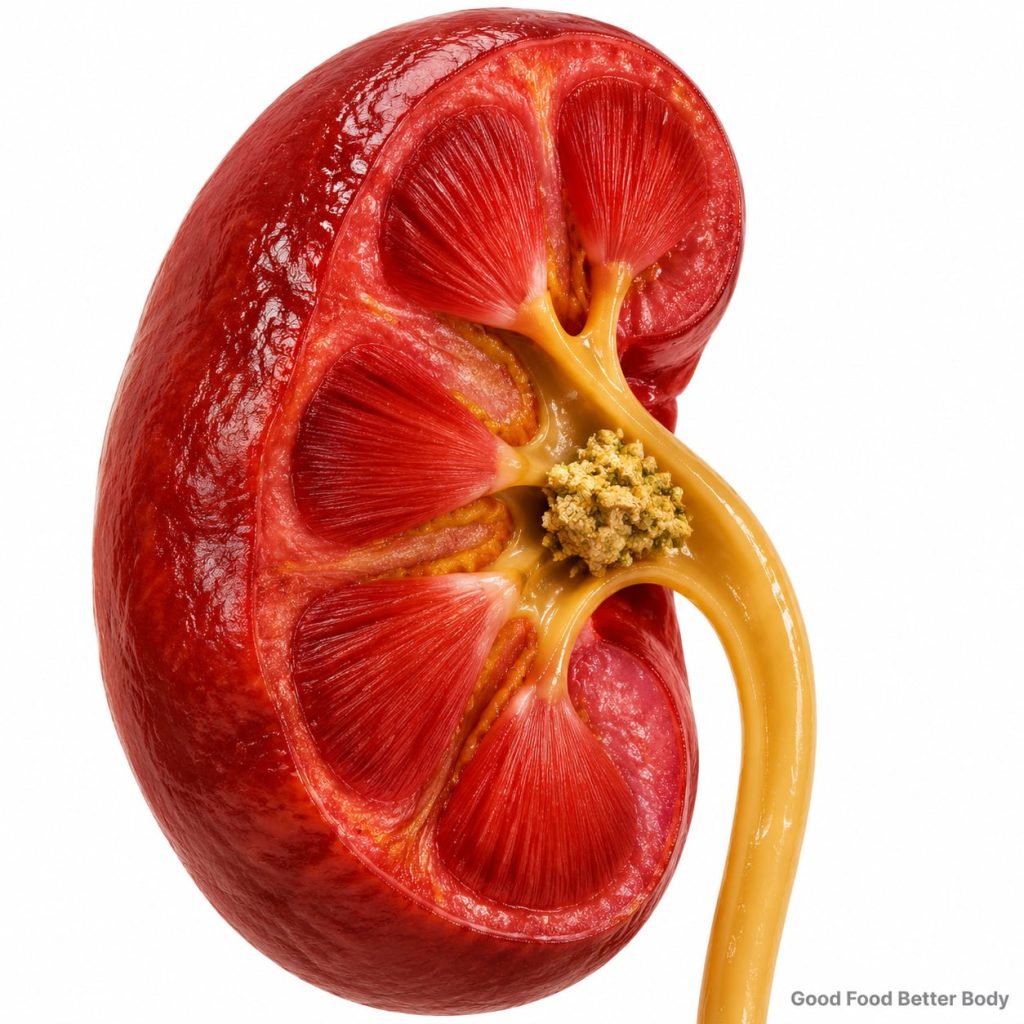
Kidney stones form when minerals and salts in urine crystallize and clump together inside the kidney. Even very small deposits can grow into something that causes sharp, intense discomfort. This guide explains how that happens and which simple daily habit may help support kidney health.
How Kidney Stones Develop
Urine normally carries dissolved minerals such as calcium, oxalate, and uric acid out of the body. When urine becomes concentrated or the balance of these substances shifts, minerals can begin to stick together. Over time, these small crystals may join into larger deposits that can move through the urinary tract.
A Simple Daily Habit That May Help: Drinking Enough Water
Regular fluid intake helps dilute urine, which may make it harder for minerals to crystallize. Many people find it easier to build this habit with a few practical routines:
- Keep a refillable water bottle within reach at work, at home, and while commuting.
- Drink a glass of water with each meal and one when you wake up.
- Pay attention to urine colour. Pale yellow usually indicates good hydration.
- Increase fluids during hot weather, exercise, or long periods of activity.
Hydration works best as part of a consistent routine rather than a large amount of water taken all at once.
Warning Signs to Take Seriously
Kidney stone pain is often felt in the side or back and may spread toward the lower abdomen or groin. Seek medical care promptly if you notice severe pain, fever or chills, nausea or vomiting, blood in the urine, or difficulty urinating.
FAQ
Can drinking water prevent all kidney stones?
No habit can guarantee prevention. Adequate hydration is commonly recommended as a supportive habit, but some people form stones for other reasons and need individual medical advice.
How much water should I drink each day?
Fluid needs vary with body size, climate, activity, and health conditions. A doctor or registered dietitian can suggest a target that fits your situation.
Do diet changes matter as well?
Diet may play a role for some people, including sodium intake and the amount of certain foods eaten. Discuss any changes with a qualified healthcare professional before making major adjustments.
Final Thoughts
Kidney stones begin with tiny mineral deposits that can become painful over time. Building a steady habit of drinking enough water throughout the day is a simple step that may support kidney health, especially when combined with regular checkups and professional guidance.
Medical disclaimer: This article is for general educational purposes only and is not a substitute for professional medical advice, diagnosis, or treatment. Consult a qualified healthcare professional if you have symptoms, a history of kidney stones, or a medical condition.