Unlock Your Potential: Understanding Foods That Support Weight Loss
Are you ready to truly fuel your body and reach your fitness goals? At Remedies Wellness, we believe in empowering you with practical, evidence-based strategies for a healthier, more vibrant life. There’s a lot of talk about “belly fat burning foods” and “miracle diets,” but the truth is, no single food can magically melt away fat. However, certain foods are incredibly powerful allies in your weight loss journey, especially when it comes to reducing stubborn belly fat. These aren’t just foods; they’re nutritional powerhouses that support your body by improving fullness (satiety), providing essential nutrients, helping with calorie control, and boosting your metabolic health.
Instead of seeking quick fixes, let’s focus on building sustainable habits with the best foods for weight loss. These choices will not only help you shed excess weight, including abdominal fat, but also leave you feeling energized, satisfied, and in control of your health. Let’s dive into how these incredible foods can transform your plate and your life!
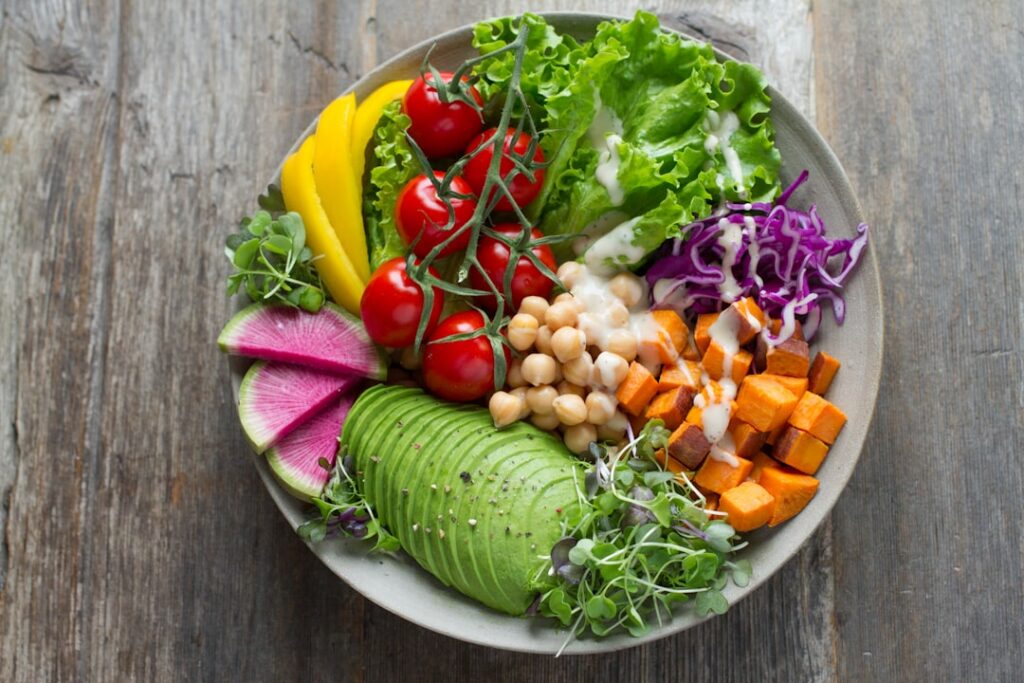
Foods That Support Your Weight Loss Journey
Integrating these specific foods into your daily routine can make a significant difference. They are chosen not just for their individual benefits but for their collective power to create a sustainable, satisfying, and effective eating plan.
1. Oatmeal: Your Morning Powerhouse
- Nutritional Value: A whole grain packed with complex carbohydrates and soluble fiber, especially beta-glucan. It also provides essential minerals like manganese and phosphorus.
- Calories: Approximately 150-200 calories per 1/2 cup (dry) serving, depending on type.
- Protein, Fiber, or Healthy Fats: High in fiber (around 4-5g per 1/2 cup dry) and contains a modest amount of plant-based protein (around 5g).
- Why it Supports Fat Loss: The high soluble fiber content in oatmeal creates a gel-like substance in your digestive system, slowing digestion and absorption. This promotes long-lasting satiety, keeping you full for hours and reducing the likelihood of mid-morning snacking. It also helps stabilize blood sugar levels, preventing spikes and crashes that can lead to cravings. This sustained energy release supports a consistent calorie deficit, which is fundamental for weight loss.
- Best Serving Ideas: Enjoy a bowl of plain rolled or steel-cut oats with a sprinkle of berries, a few chopped almonds, or a dash of cinnamon. For convenience, try overnight oats by soaking them in milk or water.
- Portion Recommendations: Start with 1/2 cup of dry oats, cooked with water or unsweetened milk.
- Common Mistakes: Drowning your oatmeal in excessive sugar, syrup, honey, or high-calorie toppings like candied nuts or chocolate chips can quickly negate its benefits. Opt for natural sweetness from fruit.
2. Almonds: The Satisfying Snack
- Nutritional Value: Rich in healthy monounsaturated fats, protein, fiber, vitamin E, magnesium, and antioxidants.
- Calories: Approximately 160-170 calories per 1-ounce (23 almonds) serving. Calorie-dense due to healthy fats.
- Protein, Fiber, or Healthy Fats: Excellent source of healthy fats (about 14g), fiber (about 3.5g), and protein (about 6g) per ounce.
- Why it Supports Fat Loss: The combination of healthy fats, protein, and fiber makes almonds incredibly satiating. Studies show that people who snack on almonds tend to eat less at subsequent meals. The healthy fats also play a role in hormone regulation, which can impact appetite and metabolism. While calorie-dense, their high satiety factor helps prevent overeating overall.
- Best Serving Ideas: Enjoy a small handful as a midday snack, sprinkle them over salads or oatmeal, or add them to your Greek yogurt.
- Portion Recommendations: Stick to about one ounce, which is roughly 23 whole almonds.
- Common Mistakes: Mindless snacking can lead to consuming too many calories. Always measure your portion, especially with calorie-dense foods like nuts. Avoid heavily salted or flavored almonds that add unnecessary sodium or sugar.
3. Olive Oil: The Healthy Fat Essential
- Nutritional Value: Primarily monounsaturated fatty acids (MUFAs), especially oleic acid, and powerful antioxidants like polyphenols.
- Calories: Approximately 120 calories per tablespoon.
- Protein, Fiber, or Healthy Fats: Pure healthy fat (14g per tablespoon).
- Why it Supports Fat Loss: Incorporating healthy fats like olive oil into your diet can increase feelings of fullness and slow stomach emptying, contributing to greater satiety. MUFAs have also been linked to improved insulin sensitivity and reduced inflammation, both of which are beneficial for metabolic health and weight management. It helps absorb fat-soluble vitamins (A, D, E, K) from vegetables, ensuring you get the most out of your healthy meals.
- Best Serving Ideas: Use extra virgin olive oil for salad dressings, drizzling over steamed vegetables, or finishing dishes. For cooking at medium heat, use regular olive oil.
- Portion Recommendations: 1-2 tablespoons per meal, depending on your overall calorie goals and other fat sources.
- Common Mistakes: Overdoing it – while healthy, olive oil is calorie-dense. Also, using extra virgin olive oil for high-heat cooking can degrade its beneficial compounds; save it for lower-heat applications or as a finishing oil.
4. Eggs: The Complete Protein
- Nutritional Value: A nearly perfect food, offering high-quality complete protein, essential amino acids, choline, and vitamins D, B12, and selenium.
- Calories: Approximately 70-80 calories per large egg.
- Protein, Fiber, or Healthy Fats: Each large egg provides about 6 grams of protein and about 5 grams of healthy fats (mostly unsaturated). No fiber.
- Why it Supports Fat Loss: Eggs are a prime example of a food with high protein intake, which is crucial for weight loss. Protein boosts satiety significantly more than fats or carbohydrates, reducing overall calorie consumption. It also has a higher thermic effect of food (TEF), meaning your body burns more calories digesting protein. Furthermore, adequate protein helps preserve lean muscle mass during weight loss, which is vital for maintaining a healthy metabolism.
- Best Serving Ideas: Scrambled, boiled, poached, or as an omelet with plenty of vegetables for a nutrient-dense breakfast or light meal.
- Portion Recommendations: 2-3 eggs for a satisfying breakfast, or 1-2 eggs as part of a meal.
- Common Mistakes: Skipping the yolk due to outdated cholesterol fears. The yolk contains most of the vitamins, minerals, and healthy fats, which contribute to satiety and nutrient density.
5. Grapefruit: The Zesty Metabolic Helper
- Nutritional Value: High in Vitamin C, fiber, and water. It also contains unique plant compounds like naringenin.
- Calories: Approximately 50-60 calories per half grapefruit.
- Protein, Fiber, or Healthy Fats: Good source of fiber (about 2g per half) and virtually no protein or fat.
- Why it Supports Fat Loss: Grapefruit’s high water and fiber content contribute to satiety with very few calories, helping you feel full on less. While not a “fat burner” in the traditional sense, some research suggests that compounds in grapefruit may help improve insulin sensitivity, which can be beneficial for blood sugar control and fat metabolism. Its refreshing nature also makes it an excellent hydrator.
- Best Serving Ideas: Enjoy half a grapefruit as a refreshing breakfast addition, a light snack, or as part of a fresh fruit salad.
- Portion Recommendations: One half to a whole grapefruit per day.
- Common Mistakes: Eating excessive amounts or consuming it with added sugar. Be aware that grapefruit can interact with certain medications, so consult your doctor if you take prescription drugs.
6. Berries: Nature’s Sweet Treat
- Nutritional Value: Packed with antioxidants (anthocyanins), fiber, Vitamin C, and manganese. Low in natural sugars compared to many other fruits.
- Calories: Approximately 40-80 calories per cup, depending on the type (e.g., strawberries, blueberries, raspberries).
- Protein, Fiber, or Healthy Fats: Excellent source of fiber (around 4-8g per cup), with minimal protein and fat.
- Why it Supports Fat Loss: Berries are incredibly nutrient-dense and high in fiber, which promotes satiety and supports healthy digestion. Their natural sweetness satisfies cravings without a huge calorie load, helping with blood sugar control and preventing energy crashes that often lead to unhealthy snacking. The antioxidants also support overall health and reduce inflammation, which can indirectly aid weight management.
- Best Serving Ideas: Add them to oatmeal, yogurt, smoothies, salads, or simply enjoy them as a delicious, refreshing snack.
- Portion Recommendations: 1-2 cups per day.
- Common Mistakes: Buying berries loaded with added sugar in syrups or processed forms. Choose fresh or plain frozen berries.
7. Lean Meats: Muscle-Building Protein
- Nutritional Value: Excellent source of high-quality protein, iron, zinc, and B vitamins (especially B12). Examples include chicken breast, turkey, lean cuts of beef, and fish like salmon.
- Calories: Varies significantly by type and cut, but typically 120-180 calories per 3-4 ounce serving of cooked lean meat.
- Protein, Fiber, or Healthy Fats: Very high in protein (20-30g per 3-4oz serving) with minimal fat, especially in lean cuts. No fiber.
- Why it Supports Fat Loss: Lean meats provide crucial protein intake, which is vital for building and preserving muscle mass. More muscle mass means a higher resting metabolic rate, helping you burn more calories even at rest. Protein is also highly satiating, making you feel full and satisfied, which helps reduce overall calorie consumption and supports a sustained calorie deficit. The high thermic effect of protein also means your body expends more energy digesting it.
- Best Serving Ideas: Grill, bake, roast, or stir-fry lean meats and fish. Combine them with plenty of green vegetables and whole grains for a balanced meal.
- Portion Recommendations: 3-4 ounces (the size of a deck of cards) per meal.
- Common Mistakes: Opting for fatty cuts of meat, deep-frying instead of baking or grilling, or consuming processed meats that are high in sodium and unhealthy fats.
8. Whole Grains: Sustained Energy & Fiber
- Nutritional Value: Complex carbohydrates, rich in fiber, B vitamins, magnesium, and iron. Examples include quinoa, brown rice, whole wheat bread, and farro.
- Calories: Approximately 150-200 calories per 1/2 cup cooked serving (e.g., quinoa or brown rice).
- Protein, Fiber, or Healthy Fats: Good source of fiber (3-5g per serving) and some plant-based protein (e.g., quinoa has 4g per 1/2 cup cooked). Low in fat.
- Why it Supports Fat Loss: Unlike refined grains, whole grains retain their bran, germ, and endosperm, providing a significant amount of fiber. This fiber slows digestion, leading to stable blood sugar control and sustained energy release. This prevents sudden hunger pangs and reduces the likelihood of reaching for sugary snacks. The sustained energy also supports an active lifestyle, helping you burn more calories through exercise.
- Best Serving Ideas: Use quinoa or brown rice as a side dish or base for grain bowls, choose whole wheat bread for sandwiches, or add whole grain pasta to your meals.
- Portion Recommendations: 1/2 cup cooked per meal for most whole grains.
- Common Mistakes: Mistaking “multigrain” for “whole grain.” Always check labels for “100% whole wheat” or “whole grain” as the first ingredient. Over-portioning, as even healthy carbs contribute to calories.
9. Peanut Butter: The Creamy Power-Up
- Nutritional Value: A good source of healthy monounsaturated and polyunsaturated fats, protein, fiber, magnesium, and vitamin E.
- Calories: Approximately 90-100 calories per tablespoon. Calorie-dense.
- Protein, Fiber, or Healthy Fats: High in healthy fats (7-8g), moderate protein (3-4g), and some fiber (1g) per tablespoon.
- Why it Supports Fat Loss: Similar to almonds, the combination of healthy fats, protein, and fiber in peanut butter provides significant satiety. A small amount can help you feel full and satisfied, reducing cravings and preventing overeating later. It can be a great way to add healthy fats and protein to meals, balancing out carbohydrate-rich foods and stabilizing blood sugar.
- Best Serving Ideas: Spread on apple slices or celery sticks, add a spoonful to your oatmeal or smoothie, or use in healthy sauces.
- Portion Recommendations: 1-2 tablespoons per serving.
- Common Mistakes: Choosing brands with added sugars, hydrogenated oils, or excessive sodium. Always opt for natural peanut butter with minimal ingredients (just peanuts, maybe a little salt). Over-portioning is also easy due to its delicious taste and calorie density.
10. Green Vegetables: Nutrient Density Without the Calories
- Nutritional Value: Extremely rich in vitamins (K, A, C, folate), minerals (iron, calcium), fiber, and antioxidants, with very few calories. Examples include spinach, broccoli, kale, Brussels sprouts, and asparagus.
- Calories: Typically 20-50 calories per cup, depending on the vegetable.
- Protein, Fiber, or Healthy Fats: High in fiber (2-5g per cup), minimal protein, virtually no fat.
- Why it Supports Fat Loss: Green vegetables are incredibly low in calories but high in volume and fiber. This means you can eat a large amount, feel incredibly full and satisfied, and get a huge boost of nutrients without consuming many calories. They are essential for a healthy digestive system and provide crucial vitamins and minerals that support overall metabolic function. Filling half your plate with non-starchy green vegetables is a simple yet powerful strategy for creating a calorie deficit sustainably.
- Best Serving Ideas: Steam them, roast them, sauté them, add them to omelets, stir-fries, soups, or blend them into smoothies.
- Portion Recommendations: Aim for 1-2 cups per meal, or as much as you like!
- Common Mistakes: Not eating enough of them! Also, drenching them in high-calorie sauces, butter, or cheese, which can diminish their weight loss benefits.
Beyond Food: The Power of Exercise and Sleep
While nutrition is a cornerstone of weight loss, it’s only one part of the equation. To truly achieve sustainable weight management and reduce belly fat, you need to integrate other vital lifestyle factors.
Exercise: Move Your Body, Boost Your Metabolism
Regular physical activity is indispensable. Exercise helps you create a calorie deficit by burning calories directly, but its benefits extend far beyond that. Strength training, for example, builds and preserves muscle mass. As mentioned, more muscle means a higher resting metabolic rate, turning your body into a more efficient fat-burning machine. Cardiovascular exercise, like running, cycling, or swimming, improves heart health, endurance, and can directly target visceral fat (the deep belly fat associated with health risks). Aim for a combination of strength training (2-3 times per week) and moderate-intensity cardio (150 minutes per week).
Sleep: The Unsung Hero of Weight Loss
Often overlooked, adequate sleep plays a critical role in weight management. When you don’t get enough sleep (typically 7-9 hours per night), your body’s hormone balance goes haywire. Levels of ghrelin, the “hunger hormone,” increase, while leptin, the “satiety hormone,” decreases. This imbalance can lead to increased appetite, cravings for unhealthy foods, and reduced willpower. Poor sleep also elevates cortisol levels, a stress hormone linked to increased belly fat storage. Prioritizing quality sleep is a non-negotiable step for effective and sustainable weight loss.
Smart Shopping: Stocking Your Healthy Kitchen
Making healthy choices starts before you even cook. Here are practical tips for grocery shopping:
- Plan Your Meals: Before you go, plan out your meals for the week. This helps you create a focused shopping list and prevents impulse buys.
- Make a List and Stick to It: A clear list is your best defense against unhealthy temptations.
- Shop the Perimeter: The outer aisles of the grocery store typically house fresh produce, lean meats, dairy, and eggs – the whole, unprocessed foods. Venture into the inner aisles for pantry staples like whole grains, olive oil, nuts, and spices.
- Read Labels: Become an ingredient detective. Look for foods with minimal, recognizable ingredients. Avoid items with excessive added sugars, unhealthy fats, and artificial additives.
- Buy In Season: Seasonal fruits and vegetables are often fresher, tastier, and more affordable.
- Don’t Shop Hungry: A hungry shopper is more likely to buy unhealthy snacks. Have a small, healthy snack before you head to the store.
A Day of Healthy Eating: Sample Menu
Here’s a sample menu incorporating several of the foods we’ve discussed, demonstrating how delicious and satisfying healthy eating can be:
- Breakfast: Overnight Oats with Berries and Almonds
- 1/2 cup rolled oats soaked in unsweetened almond milk.
- Topped with 1/2 cup mixed berries and a tablespoon of sliced almonds.
- Lunch: Large Salad with Lean Chicken Breast and Olive Oil Dressing
- A big bowl of mixed green vegetables (spinach, kale, romaine).
- Topped with 3-4 ounces grilled lean chicken breast, cucumber, bell peppers, and a handful of chickpeas.
- Dressed with a simple vinaigrette made from extra virgin olive oil, apple cider vinegar, Dijon mustard, salt, and pepper.
- Snack: Grapefruit and Peanut Butter
- Half a grapefruit.
- 1 tablespoon natural peanut butter on apple slices.
- Dinner: Baked Salmon with Quinoa and Roasted Broccoli
- 4-5 ounces baked salmon (lean protein, healthy fats).
- 1/2 cup cooked quinoa (whole grain).
- 1-2 cups roasted broccoli florets (green vegetable) drizzled with a teaspoon of olive oil and a pinch of salt and garlic powder.
Frequently Asked Questions About Weight Loss and Healthy Eating
Q1: Can I really target belly fat with specific foods?
A: No single food directly “burns” belly fat. However, the foods we discussed support overall fat loss, which naturally includes a reduction in belly fat (both subcutaneous and visceral). A diet rich in protein, fiber, and healthy fats, combined with a calorie deficit and regular exercise, is the most effective approach.
Q2: How important is portion control?
A: Extremely important! Even healthy foods contain calories. Consuming more calories than your body burns, regardless of the source, will lead to weight gain. Portion control is crucial for maintaining a calorie deficit, which is the foundation of weight loss.
Q3: Are low-carb diets better for weight loss?
A: Low-carb diets can be effective for some individuals, especially initially, due to rapid water weight loss and increased satiety from protein and fats. However, sustainable weight loss can be achieved with various balanced eating patterns. Whole grains, as discussed, can be a healthy part of a weight loss diet due to their fiber and sustained energy.
Q4: How much protein do I need for weight loss?
A: For weight loss and muscle preservation, a higher protein intake is generally recommended. Aim for around 0.7-1 gram of protein per pound of your target body weight. Spread your protein intake throughout the day across meals and snacks.
Q5: What if I don’t like some of these foods?
A: Don’t worry! The goal is variety and sustainability. If you don’t like a specific food on the list, there are many other healthy alternatives. For example, if you dislike almonds, try walnuts or chia seeds. If you don’t like broccoli, opt for kale or spinach. Find healthy foods you genuinely enjoy.
Q6: How long until I see results?
A: Weight loss is a gradual process. Healthy, sustainable weight loss is typically 1-2 pounds per week. Consistency is key. Focus on making small, positive changes daily, and trust that the results will follow over time.
Q7: Are supplements necessary for fat loss?
A: Most “fat burner” supplements have little scientific evidence to support significant weight loss and can sometimes have unwanted side effects. Focus your efforts on a nutrient-dense diet, consistent exercise, and adequate sleep. Supplements should only be considered after these foundational elements are in place, and preferably under professional guidance.
Q8: What about sugary drinks?
A: Sugary drinks (soda, sweetened teas, fruit juices with added sugar) are a major source of empty calories and can hinder weight loss significantly. They don’t provide satiety but contribute to blood sugar spikes and crashes. Prioritize water, unsweetened tea, or coffee.
Embrace Your Wellness Journey: A Sustainable Approach
Achieving your body composition and fitness goals is not about deprivation or quick fixes; it’s about building a foundation of healthy, sustainable habits. By focusing on nutrient-dense foods like oatmeal, almonds, eggs, lean meats, and plenty of green vegetables, you can nourish your body, manage your appetite, and support your metabolism.
Remember, true wellness encompasses more than just what’s on your plate. Incorporating regular exercise and prioritizing restful sleep are equally vital components. At Remedies Wellness, we believe in empowering you with the knowledge and tools to make informed choices for a healthier, happier life. Start today, one healthy meal and one positive habit at a time. Your body will thank you for it!