Ready to unlock a new level of health and energy? ✨ Intermittent Fasting (IF) 16:8 is a powerful, yet simple, approach to eating that can transform your body and mind! Imagine boosting your energy, improving focus, and supporting your weight goals, all by adjusting when you eat.
In the bustling rhythm of modern life, finding a sustainable approach to nutrition can feel like a daunting task. Between busy schedules, conflicting diet advice, and the constant urge for convenience, it’s easy to lose sight of what truly nourishes our bodies and minds. That’s where Intermittent Fasting, particularly the widely popular 16:8 method, steps in as a beacon of simplicity and effectiveness. At Remedies Wellness, we believe in empowering you with practical, evidence-based strategies to live your healthiest life, and the 16:8 approach to intermittent fasting is certainly one of them.
This method isn’t about restrictive dieting or cutting out entire food groups; it’s about optimizing your eating schedule. It involves fasting for 16 hours and having an 8-hour eating window. Many find it surprisingly easy to integrate into their daily routine, making it a fantastic way to take control of your nutrition and feel amazing. We’re here to break down the benefits, share practical daily schedules, and give you essential tips for success to help you thrive with IF 16:8!

What is 16:8 Intermittent Fasting?
Intermittent Fasting (IF) is an eating pattern that cycles between periods of eating and voluntary fasting. It’s not a diet in the traditional sense, but rather an eating schedule that dictates when you consume your meals. Among the various IF protocols, the 16:8 method stands out as the most popular and often the easiest for beginners to adopt.
The “16:8” refers to the breakdown of hours in a 24-hour day: 16 hours of fasting followed by an 8-hour window during which you consume all your daily meals. For most people, this means skipping breakfast, having their first meal around noon or early afternoon, and finishing dinner by early evening. For instance, if your eating window is 12 PM to 8 PM, you would fast from 8 PM until 12 PM the next day. This approach leverages your body’s natural metabolic processes, encouraging it to switch from burning glucose for energy to burning stored fat.
This method focuses primarily on the timing of your meals, not specifically what you eat. However, for optimal results and overall health, it’s crucial to make healthy, nutrient-dense food choices during your eating window. Intermittent fasting is a tool to help you reach your wellness goals, and combining it with a balanced diet amplifies its potential benefits.
The Science-Backed Benefits of 16:8 IF
While the concept of fasting might seem restrictive, the 16:8 method offers a host of potential benefits that extend beyond just weight management. Research suggests that regularly practicing intermittent fasting can positively impact various aspects of health. Let’s explore some of these:
Supports Healthy Weight Management
One of the most frequently cited reasons people try 16:8 intermittent fasting is for weight management. By limiting your eating window, you naturally tend to consume fewer calories overall. Furthermore, fasting periods can lead to a reduction in insulin levels, which facilitates fat burning. When insulin levels are low, your body is more inclined to tap into its fat stores for energy, potentially leading to a healthier body composition. It’s important to remember that sustainable weight management is a holistic journey, and IF can be a powerful component when paired with mindful eating.
Enhances Insulin Sensitivity
Insulin is a hormone that regulates blood sugar levels. When we eat frequently, especially processed foods high in sugar, our bodies constantly release insulin. Over time, cells can become less responsive to insulin, a condition known as insulin resistance, which is a precursor to type 2 diabetes. Intermittent fasting gives your body a break from constant insulin production, potentially improving insulin sensitivity. This means your body becomes more efficient at using insulin to manage blood sugar, which is vital for metabolic health.
Promotes Autophagy and Cellular Repair
Autophagy is a fascinating cellular process where your body cleans out damaged cells and regenerates new, healthier ones. Think of it as your body’s internal recycling program. During fasting, when your body isn’t busy digesting food, it can redirect energy towards these essential cellular repair mechanisms. Enhanced autophagy is linked to various health benefits, including supporting longevity and protecting against cellular damage.
Boosts Energy and Mental Clarity
Many individuals report feeling more energetic and experiencing improved mental clarity after adapting to 16:8 intermittent fasting. This might be due to several factors: stable blood sugar levels (avoiding the post-meal slump), reduced inflammation, and the body’s shift to burning ketones (a fuel source derived from fat) for energy, which some believe provides a more sustained and clearer energy source for the brain.
Supports Appetite Regulation
Initially, hunger might be a concern, but many fasters find that their appetite naturally regulates over time. Intermittent fasting can help reset your hunger hormones, ghrelin (the hunger hormone) and leptin (the satiety hormone), potentially leading to reduced cravings and better portion control during your eating window. This can contribute to a more mindful and intuitive approach to eating.
Understanding the Fasting Window
The 16-hour fasting window is the core of the 16:8 method. During this time, the goal is to consume zero calories to allow your body to enter a fasted state. However, ‘zero calories’ doesn’t mean abstaining from all intake. Hydration is key and certain non-caloric beverages are encouraged.
Hydration During Fasting
Staying well-hydrated is paramount, especially during your fasting window. It helps manage hunger, supports bodily functions, and keeps you feeling good. Here’s what you can drink:
- Water: Plain water is your best friend. Drink plenty throughout the day, both during your fasting and eating windows.
- Black Coffee: Unsweetened black coffee is generally acceptable. It can even help suppress appetite and provide a mild energy boost. However, avoid adding sugar, milk, cream, or artificial sweeteners, as these can break your fast.
- Unsweetened Tea: Herbal teas, green tea, or black tea without any added sugar, honey, or milk are also fine.
Avoid anything with calories, including sugary drinks, fruit juice, soda, or milk in your coffee/tea.
What Breaks a Fast?
To put it simply, anything that provides your body with calories will break your fast. This includes:
- Any food, no matter how small the portion.
- Sugary drinks, fruit juice, or soda.
- Milk, cream, or sugar in your coffee or tea.
- Diet sodas and artificial sweeteners are debated, with some experts suggesting they can trigger an insulin response. It’s best to err on the side of caution and avoid them during your fasting window.
- Chewing gum (if it contains sugar or artificial sweeteners that might trigger a metabolic response).
- Some supplements (check labels for calorie content, especially gummy vitamins or flavored powders).
The general rule of thumb is to stick to water, black coffee, and unsweetened tea.
Crafting Your 8-Hour Eating Window
The 8-hour eating window is where you consume all your meals for the day. While 16:8 intermittent fasting gives you flexibility, it’s not a free pass to eat anything and everything. The quality of your food choices is just as important as the timing.
Example Daily Schedule for Beginner Intermittent Fasting 16:8
Here’s a common schedule that many beginners find easy to follow:
- 7:00 AM – 12:00 PM (Fasting): Wake up, drink water, black coffee, or unsweetened tea.
- 12:00 PM – 1:00 PM (First Meal): Break your fast with a balanced, nutrient-dense lunch.
- 1:00 PM – 7:00 PM (Eating Window): Continue to drink water. You might have a healthy snack if needed, or simply wait for dinner.
- 6:00 PM – 7:00 PM (Last Meal): Enjoy your dinner, aiming to finish before your eating window closes.
- 7:00 PM – 7:00 AM (Fasting): Begin your 16-hour fast again, focusing on hydration.
This is just an example; you can adjust your 8-hour window to fit your lifestyle, whether that’s 1 PM to 9 PM, or 9 AM to 5 PM. Consistency is more important than strict adherence to a specific time slot.
Healthy Meal Ideas for Your Eating Window
During your eating window, focus on nourishing your body with balanced meals that include a variety of essential nutrients. This means prioritizing:
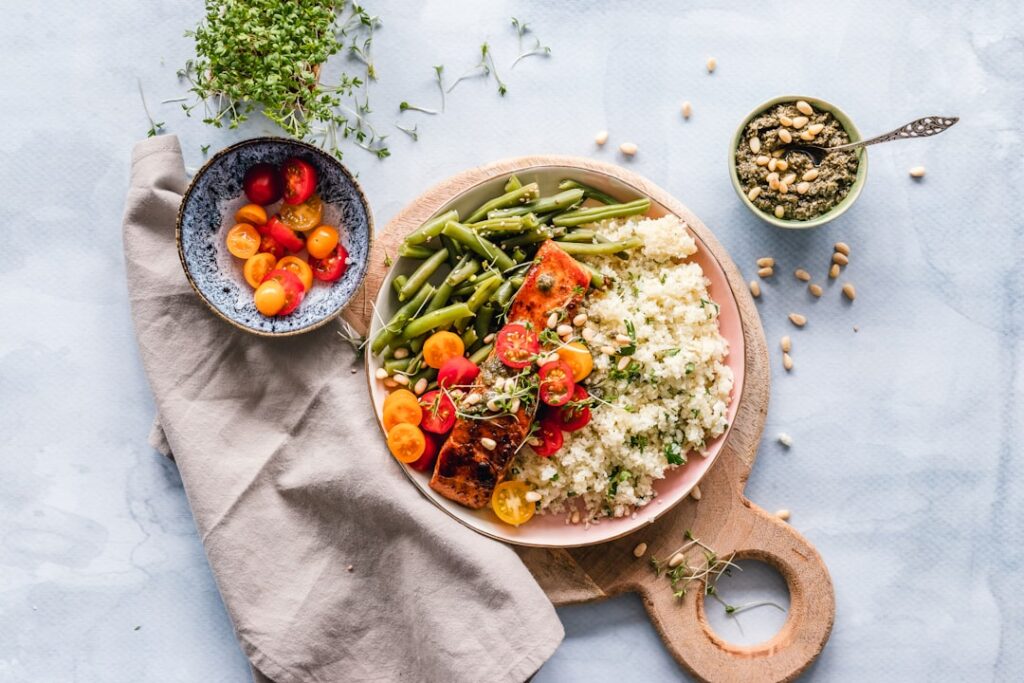
- Balanced Meals: Aim for a plate that includes a good source of protein, complex carbohydrates, healthy fats, and plenty of vegetables.
- Protein Intake: Adequate protein is crucial for muscle maintenance, satiety, and overall health. Include lean meats (chicken, turkey, fish), eggs, legumes, tofu, or protein powder.
- Fiber: Foods rich in fiber help with digestion, keep you feeling full, and stabilize blood sugar. Think fruits, vegetables, whole grains (oats, quinoa, brown rice), and legumes.
- Whole Foods: Prioritize unprocessed, whole foods over refined and packaged options. This includes fresh produce, lean proteins, healthy fats (avocado, nuts, seeds, olive oil), and whole grains.
Example Meal Ideas:
- Lunch: Large salad with grilled chicken or chickpeas, mixed greens, avocado, nuts, and a vinaigrette dressing.
- Dinner: Baked salmon with roasted sweet potatoes and steamed broccoli.
- Snack (if needed): Greek yogurt with berries and a sprinkle of chia seeds, or a handful of almonds.
Exercise and 16:8 Fasting
Exercising while fasting is a common practice for many IF enthusiasts, and it can offer unique benefits. Some people find they have more energy and focus during fasted workouts, especially in the morning. However, it’s crucial to listen to your body and adjust as needed.
- Fasted Workouts: For moderate-intensity exercise, many can comfortably work out during their fasting window. Your body will likely tap into fat stores for energy.
- High-Intensity Workouts: If you’re doing intense training or heavy lifting, consider scheduling these closer to your eating window, or even just after your first meal, to ensure you have sufficient energy and can properly recover.
- Post-Workout Nutrition: Regardless of when you work out, ensure your first meal post-workout (if it falls within your eating window) is rich in protein and carbohydrates to aid muscle repair and replenish glycogen stores.
Always stay well-hydrated before, during, and after exercise. If you feel lightheaded, weak, or unusually fatigued, stop and assess your approach.
Common Beginner Mistakes to Avoid with 16:8 Intermittent Fasting
Starting any new eating pattern can come with a learning curve. Avoiding these common mistakes can make your 16:8 intermittent fasting journey smoother and more effective:
- Overeating During the Eating Window: Thinking the 8-hour window is a license to binge is a common pitfall. The goal is still to eat mindfully and nourish your body with appropriate portions of healthy, whole foods.
- Neglecting Hydration: Dehydration can lead to headaches, fatigue, and increased hunger. Drink plenty of water, black coffee, and unsweetened tea throughout your fasting period.
- Not Getting Enough Sleep: Sleep deprivation can disrupt hunger hormones and make fasting much harder. Aim for 7-9 hours of quality sleep each night.
- Starting Too Aggressively: Don’t jump straight into 16:8 if you’re used to eating all day. You might start with a shorter fast (e.g., 12 hours) and gradually extend it.
- Ignoring Your Body’s Signals: While some hunger is normal, extreme fatigue, dizziness, or intense cravings might signal that IF isn’t right for you, or that you need to adjust your approach.
- Lack of Nutrient Density: Even with a restricted eating window, you must get all your essential vitamins, minerals, protein, and healthy fats. Don’t fill up on empty calories.
- Expecting Instant Results: Intermittent fasting is a sustainable lifestyle choice, not a quick fix. Give your body time to adapt and focus on long-term health benefits.
Possible Limitations and Who Should Avoid 16:8 IF
While 16:8 intermittent fasting can be a beneficial strategy for many, it’s not suitable for everyone. Certain individuals should approach IF with caution or avoid it entirely. Always consult with a healthcare professional before making significant changes to your diet or lifestyle, especially if you have pre-existing health conditions.
Individuals who should generally avoid or exercise extreme caution with intermittent fasting include:
- Pregnant or Breastfeeding Women: Nutritional needs are significantly higher during these periods, and fasting could potentially impact maternal and infant health.
- Individuals with Certain Medical Conditions: This includes people with diabetes (especially those on insulin or medications that can cause hypoglycemia), kidney disease, liver disease, or those with a history of heart conditions.
- People with a History of Eating Disorders: Intermittent fasting can sometimes trigger or exacerbate disordered eating patterns.
- Individuals Underweight or with Nutritional Deficiencies: Fasting might worsen these conditions.
- Children and Teenagers: Their bodies are still growing and developing, requiring consistent nutrient intake.
- People on Specific Medications: Some medications need to be taken with food, and fasting might interfere with their efficacy or lead to adverse effects.
Listen to your body, prioritize your health, and seek professional medical advice if you have any concerns.
Frequently Asked Questions About Intermittent Fasting 16:8
1. Will I lose muscle mass with intermittent fasting?
Research suggests that intermittent fasting, when combined with adequate protein intake and resistance training during the eating window, tends to preserve muscle mass better than traditional caloric restriction. The key is to consume enough protein during your eating period to support muscle synthesis.
2. Can I drink anything other than water, black coffee, and unsweetened tea during my fast?
Generally, no. Any beverage with calories, including fruit juice, soda, milk, or cream, will break your fast. Even artificially sweetened drinks are often debated, as they might trigger an insulin response in some individuals. Stick to plain water, black coffee, and unsweetened herbal or black tea.
3. What if I feel dizzy or lightheaded during my fast?
This could be a sign of dehydration or electrolyte imbalance. Ensure you’re drinking enough water, and consider adding a pinch of Himalayan pink salt to your water for electrolytes. If symptoms persist or worsen, break your fast and consult a healthcare professional.
4. Can I chew gum during my fasting window?
Sugar-free gum is often debated. While it’s low in calories, the artificial sweeteners and act of chewing can sometimes trigger a cephalic phase insulin response in some individuals. To be safe, it’s best to avoid it during your fasting window, or limit it if you must.
5. How long does it take to see results with 16:8 intermittent fasting?
Results vary widely among individuals, depending on factors like diet quality, activity level, and metabolic health. Some people notice increased energy and focus within a few days, while visible changes in body composition might take several weeks to a few months. Consistency is key.
6. Is it okay to skip meals every day with 16:8?
Yes, the 16:8 method inherently involves skipping one meal (usually breakfast) daily. The focus is on consolidating your eating into an 8-hour window, effectively having two main meals and possibly a small snack, rather than constantly grazing.
7. What if I get hungry during my fasting window?
Initial hunger pangs are normal. Try drinking a large glass of water, black coffee, or unsweetened tea. Distracting yourself with activities can also help. Over time, your body will adapt, and hunger will likely decrease.
8. Can I still gain muscle while doing 16:8 intermittent fasting?
Yes, it’s absolutely possible to gain muscle. Many athletes and fitness enthusiasts successfully build muscle while practicing 16:8. The key is to ensure you consume adequate calories, protein, and nutrients within your 8-hour eating window to support muscle growth and recovery, and to continue with resistance training.
Embrace a Sustainable Wellness Journey
The 16:8 intermittent fasting method offers a powerful, yet flexible, approach to eating that can support your health and wellness goals. From enhancing metabolic health and supporting weight management to boosting energy and mental clarity, the potential benefits are compelling. However, remember that intermittent fasting is a tool, not a magic bullet. Its effectiveness is greatly amplified when combined with a balanced, nutrient-dense diet during your eating window, regular physical activity, and adequate sleep.
At Remedies Wellness, we advocate for sustainable habits that fit seamlessly into your life. Whether you’re a busy professional, a dedicated gym-goer, or simply someone looking to improve their overall well-being, the 16:8 method could be a valuable addition to your routine. Listen to your body, make informed choices, and consult with a healthcare professional if you have any underlying health conditions.
Choose an eating pattern that is sustainable for your lifestyle and contributes positively to your long-term health and vitality. Your journey to a healthier, more energetic you starts now!