Fiber Power: Essential Foods for Your Health
In the quest for a healthier lifestyle, certain nutrients stand out as true powerhouses. Fiber is undoubtedly one of them. Often overlooked, this incredible component of plant-based foods plays a vital role in maintaining overall wellness, from supporting healthy digestion to helping you feel satisfied longer. Let’s explore why fiber is so essential and which delicious foods can help you effortlessly boost your daily intake.
Why Fiber Matters for Your Health
Fiber, a type of carbohydrate that the body cannot digest, moves through the digestive system largely intact. While it doesn’t provide direct energy like other carbohydrates, its benefits are far-reaching and crucial for optimal health. Here’s why making fiber a priority in your diet is a smart move:
- Digestive Health: Fiber may help promote regular bowel movements and prevent constipation. Soluble fiber can also act as a prebiotic, feeding beneficial gut bacteria, which is essential for a healthy microbiome.
- Satiety and Weight Management: Foods rich in fiber often require more chewing and can slow down digestion, contributing to a feeling of fullness. This may help manage appetite and reduce overall calorie intake.
- Blood Sugar Regulation: Soluble fiber can help slow the absorption of sugar into the bloodstream, which may assist in maintaining more stable blood sugar levels. This is particularly beneficial for individuals managing diabetes or looking to prevent its onset.
- Heart Health: Certain types of fiber may help reduce LDL (bad) cholesterol levels by binding with cholesterol particles in the digestive tract and carrying them out of the body.
The recommended daily fiber intake is around 25 grams for women and 38 grams for men, yet many people fall short of these guidelines. The good news is that incorporating more fiber into your diet can be both simple and delicious!
Top Fiber-Rich Foods to Add to Your Plate
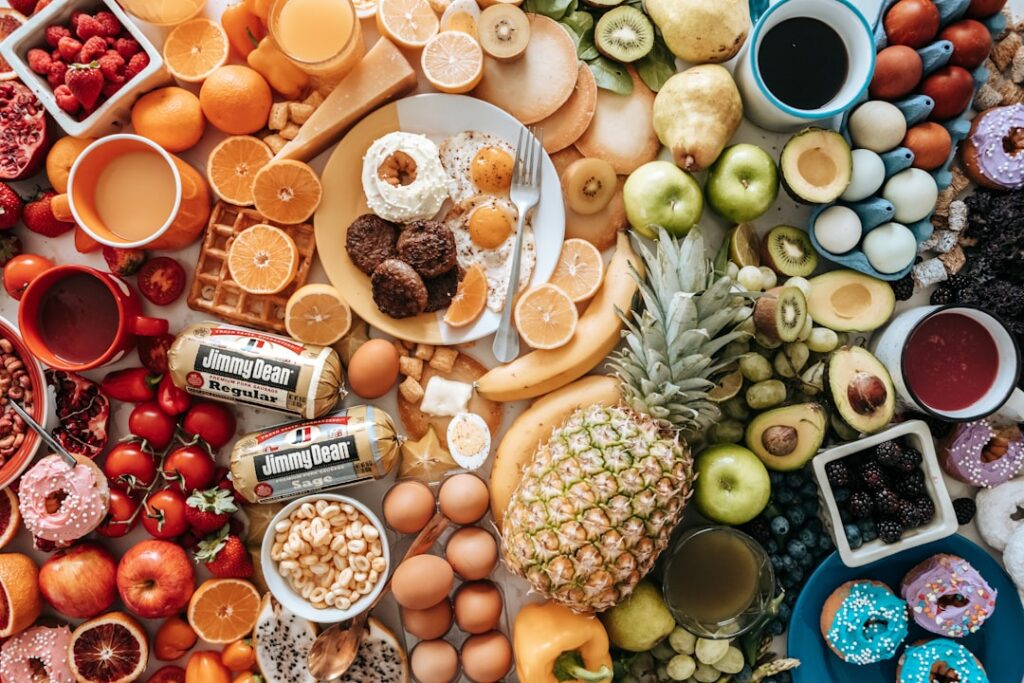
Ready to power up your meals with fiber? Here are some excellent sources to consider:
Fruits and Berries
- Apples: “An apple a day” isn’t just a saying; the skin is packed with fiber.
- Pears: Enjoy them with the skin for maximum benefit.
- Berries (Raspberries, Blackberries, Blueberries): These small fruits are bursting with flavor and fiber.
- Bananas: A convenient source of fiber, especially when slightly green.
Vegetables
- Leafy Greens (Spinach, Kale, Collard Greens): Versatile and nutrient-dense, they add fiber to any meal.
- Broccoli: A cruciferous vegetable that offers significant fiber and other essential nutrients.
- Carrots: Great raw or cooked, providing both soluble and insoluble fiber.
- Artichokes: One of the highest fiber vegetables available.
Whole Grains
- Oats: A fantastic breakfast staple, especially old-fashioned or steel-cut oats.
- Brown Rice: A whole grain alternative to white rice, offering more fiber.
- Quinoa: A complete protein and excellent source of fiber.
- Whole Wheat Bread/Pasta: Opt for whole grain versions over refined grains.
Legumes
- Lentils: Incredibly versatile and packed with protein and fiber.
- Black Beans: A staple in many cuisines, offering a substantial fiber boost.
- Chickpeas: Delicious in hummus, salads, or roasted as a snack.
- Kidney Beans: Great in chilis, stews, and salads.
Nuts and Seeds
- Chia Seeds: Tiny but mighty, they absorb liquid and form a gel, adding both soluble fiber and omega-3s.
- Flaxseeds: Best consumed ground to unlock their fiber and healthy fats.
- Almonds: A convenient snack that provides fiber, protein, and healthy fats.
- Pistachios: Another good source of dietary fiber.
Tips for Boosting Your Fiber Intake
Increasing your fiber intake doesn’t have to be complicated. Here are some simple, practical tips:
- Start Your Day with Fiber: Choose whole-grain cereals, oatmeal, or add berries and seeds to your yogurt.
- Embrace Whole Grains: Swap white bread and pasta for whole wheat versions. Opt for brown rice or quinoa instead of white rice.
- Eat More Fruits and Vegetables: Aim for at least 5 servings a day. Keep the skin on when possible (e.g., apples, potatoes).
- Add Legumes to Meals: Incorporate beans, lentils, or chickpeas into soups, salads, stews, and side dishes.
- Snack Smart: Reach for nuts, seeds, or fresh fruit instead of processed snacks.
- Hydrate: As you increase fiber, it’s crucial to drink plenty of water to help it move smoothly through your digestive system.
- Go Gradually: Increase your fiber intake slowly to allow your digestive system to adjust, which may help prevent discomfort like bloating or gas.
Final Thoughts
Fiber is a fundamental component of a healthy diet, offering a wide array of benefits that support your digestion, heart health, and overall well-being. By consciously choosing to incorporate more fiber-rich foods into your daily meals, you’re taking a significant step towards a more active and balanced life. Which of these fiber powerhouses will you add to your plate today?
Disclaimer: This content is for informational purposes only and is not intended to be a substitute for professional medical advice, diagnosis, or treatment. Always seek the advice of your physician or other qualified health provider with any questions you may have regarding a medical condition.