When planning healthy meals, you might often find yourself at a crossroads: should I choose rice or bread? Both are global staples, providing essential carbohydrates for energy, but their nutritional profiles, and how they fit into a balanced diet, can differ significantly. Understanding these differences can help you make informed choices that align with your health goals. Let’s dive into a comprehensive comparison of rice and whole wheat bread, exploring their benefits, considerations, and how to incorporate them wisely into your daily meals.
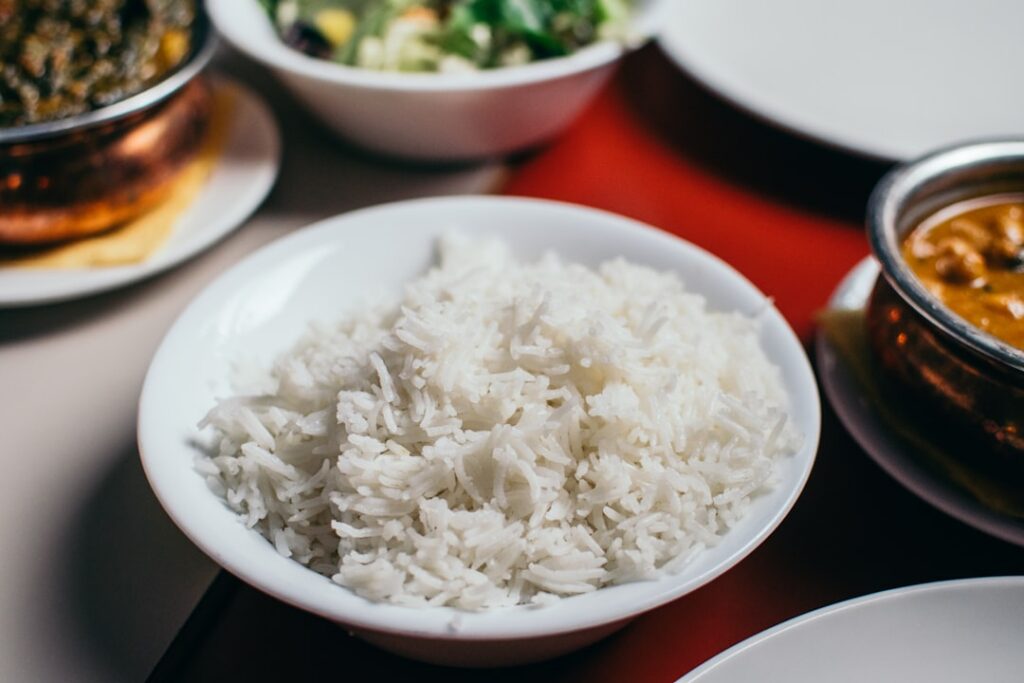
Understanding Rice: A Global Staple
Rice is a cornerstone of diets worldwide, especially in Asian and African cultures. It comes in various forms, each with unique nutritional characteristics.
Brown Rice vs. White Rice
- Brown Rice: This is a whole grain, meaning it retains the bran, germ, and endosperm. The bran and germ are rich in fiber, vitamins (especially B vitamins), and minerals (like magnesium and selenium). This makes brown rice a more nutrient-dense option.
- White Rice: This variety has had the bran and germ removed, leaving only the starchy endosperm. This processing reduces its fiber and nutrient content. While often enriched with some nutrients, it typically has a higher glycemic index compared to brown rice.
Nutritional Snapshot of Brown Rice (per 1 cup cooked)
- Calories: Approximately 216 kcal
- Carbohydrates: Around 45g (mostly complex carbs)
- Fiber: About 3.5g
- Protein: Around 5g
- Vitamins & Minerals: Good source of manganese, magnesium, selenium, and B vitamins (B1, B3, B6).
Benefits of Rice
- Energy Source: Rich in carbohydrates, rice provides sustained energy.
- Gluten-Free: Naturally gluten-free, making it a suitable option for individuals with celiac disease or gluten sensitivity.
- Digestive Health: Brown rice, with its fiber content, may support healthy digestion and bowel regularity.
Considerations
- Arsenic Content: Rice can absorb arsenic from the soil, with brown rice sometimes having higher levels than white. Rinsing and cooking with excess water can help reduce this.
- Glycemic Index: While brown rice has a moderate GI, white rice has a higher GI, which can impact blood sugar levels more rapidly.
Exploring Whole Wheat Bread: The Daily Slice
Bread is another universal food, with countless varieties. For a fair comparison with whole-grain rice, we’ll focus on whole wheat bread.
What Makes it Whole Wheat?
True whole wheat bread is made from flour that includes all parts of the wheat kernel: the bran, germ, and endosperm. This preserves the natural fiber, vitamins, and minerals that are often stripped away in refined white bread.
Nutritional Snapshot of Whole Wheat Bread (per 1 slice)
- Calories: Approximately 69 kcal
- Carbohydrates: Around 12g (complex carbs)
- Fiber: About 1.9g
- Protein: Around 3.6g
- Vitamins & Minerals: Good source of iron, B vitamins (folate, B1, B2, B3), and magnesium.
Note: Nutritional values can vary significantly between brands and types of bread. Always check the nutrition label.
Benefits of Whole Wheat Bread
- Fiber Rich: High fiber content supports digestive health, helps regulate blood sugar, and promotes a feeling of fullness.
- Nutrient Dense: Provides a good array of B vitamins, iron, and magnesium, essential for energy metabolism and overall health.
- Convenient: Bread is incredibly versatile and convenient for quick meals and snacks.
Considerations
- Gluten Content: Wheat contains gluten, making it unsuitable for individuals with celiac disease or gluten sensitivity.
- Additives: Some commercial whole wheat breads may contain added sugars, preservatives, or other ingredients. Opt for brands with minimal ingredients.
Rice vs. Bread: A Nutritional Showdown
Let’s compare these two staples head-to-head (assuming brown rice and whole wheat bread for optimal comparison):
- Carbohydrates: Both are excellent sources of complex carbohydrates, crucial for energy. Portions will dictate total intake.
- Fiber: Brown rice generally offers slightly more fiber per serving than a single slice of whole wheat bread, but a sandwich (two slices) would likely surpass rice. Fiber is key for digestive health and satiety.
- Protein: Both provide a moderate amount of protein, supporting muscle repair and satiety.
- Vitamins & Minerals: Both are valuable sources of B vitamins and important minerals like magnesium. Brown rice is particularly noted for manganese and selenium, while whole wheat bread provides iron and folate.
- Glycemic Index (GI): Brown rice typically has a moderate GI, while whole wheat bread can vary but often has a moderate to high GI depending on the processing and ingredients.
- Portion Control: It’s often easier to overconsume rice than bread, as portions of rice tend to be larger than single slices of bread.
Making Healthy Choices for Your Lifestyle
Ultimately, neither rice nor bread is inherently