Most people buy a sage bundle, light it, and wave it around without thinking about the bowl, the airflow, or how long the smoke should last. That is where the ritual often goes wrong. Here is how to set up a simple home smudging session that feels calm, stays controlled, and is safe for the room you are in.
What Burning Sage at Home Means
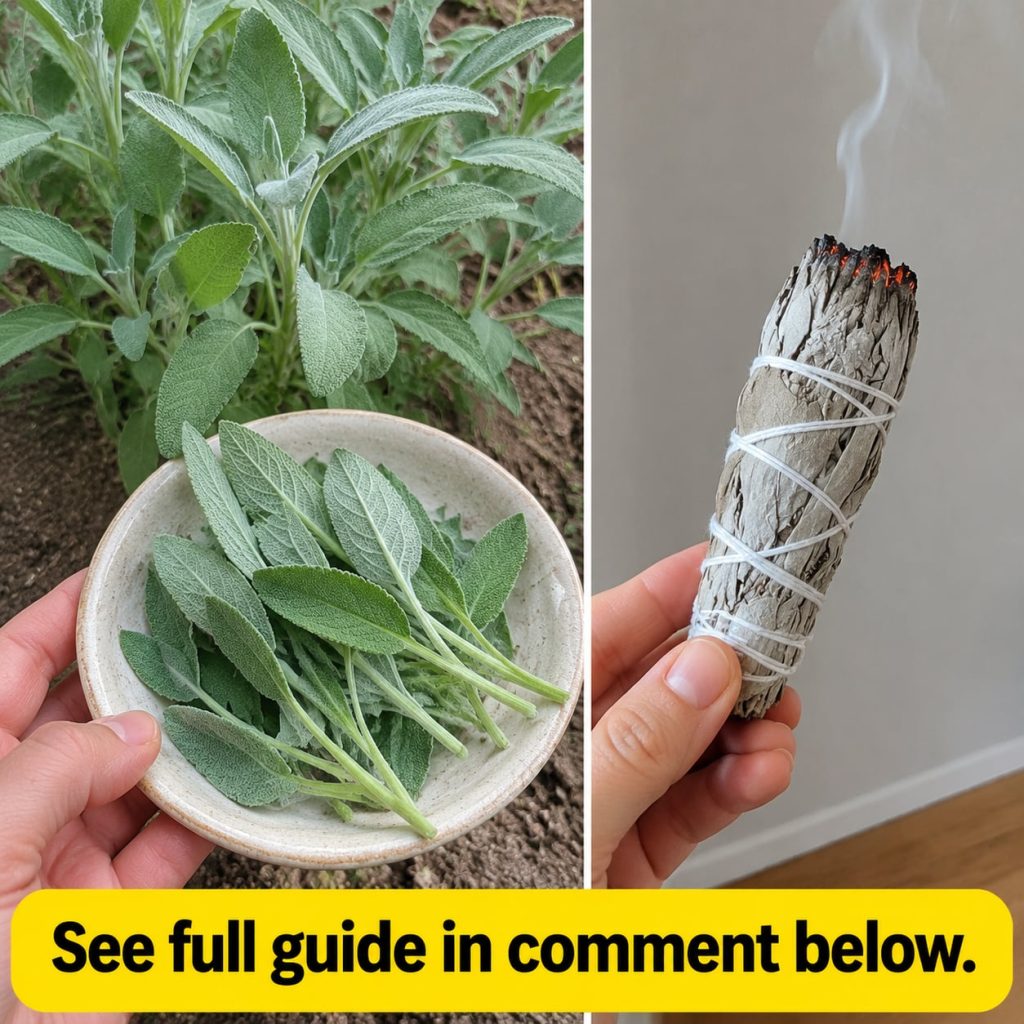
Smudging is a traditional practice in which dried herbs, most often white sage (Salvia apiana), are burned so the smoke can be carried through a space. People use it to mark a fresh start, reset a room after a stressful day, or build a quiet routine that signals rest. Its appeal is mostly ritual and atmosphere. There is no solid evidence that it measurably changes air quality, so treat it as a mindful habit rather than a cleaning method or medical treatment.
Ingredients and Supplies
- 1 dried sage bundle, about 10 to 15 cm long and 1 to 2 cm thick
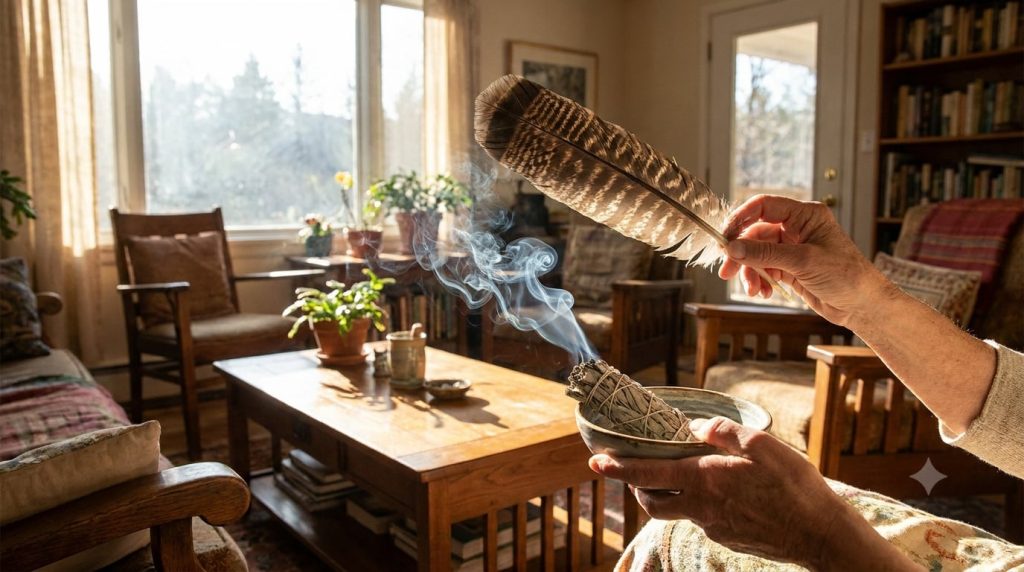
- A fire-safe bowl or abalone shell with about 2 cm of sand or ash in the base
- A long lighter or matches
- A feather or small fan for gentle wafting
- A small glass of water kept within reach
Approximate Measurements
One standard bundle gives roughly 10 to 20 minutes of steady smoke. For a small room, plan about 2 to 3 minutes per corner and a few extra minutes at the doorway. You do not need to burn the whole bundle in one session. Stop once the room feels settled.
Step-by-Step Method
- Open a window slightly so there is airflow, then close interior doors you do not need to pass through.
- Fill the bowl with sand so the bundle can sit upright without tipping.
- Light the tip with a flame for 5 to 10 seconds until it glows, then blow it out gently. The bundle should smolder, not blaze.
- Place the bundle in the bowl so the smoke rises in a thin, steady line.
- Use the feather to guide smoke into corners, doorways, and around your own body, keeping the bowl at arm’s length.
- When finished, press the ember into the sand or dip the tip in water until it is fully out.
How to Use It and How Often
Smudge at the start of a morning routine, after a difficult conversation, or before a quiet reading session. Once a week is a comfortable rhythm for most homes. Daily use can leave a lingering smell and may irritate sensitive airways, so keep sessions short.
Quick Tip
Set a timer for 10 minutes. This keeps the session focused and stops the smoke from building up in a small room.
How to Choose Good Sage
Look for bundles that are grey-green, fragrant, and tightly bound. Avoid bundles that crumble into dust, feel damp, or smell musty. Loose dried leaves can also work if you pack them into a small bundle and tie it with natural string.
Fresh vs Dried vs Loose Leaves
| Option | Best Use | Notes |
|---|---|---|
| Dried bundle | Standard smudging sessions | Burns evenly and stores easily |
| Loose dried leaves | Short, small-space sessions | Burns fast and needs a holder |
| Fresh sage | Not recommended for burning | Smolders poorly and produces heavy smoke |
Common Mistakes
- Burning in a closed room with no airflow
- Leaving the bundle unattended while it still glows
- Using damp or moldy sage, which smells harsh
- Holding the smoke too close to your face
- Skipping the full extinguishing step
Did You Know?
Most of the scent comes from the first few minutes of smoldering. If the smoke fades quickly, the bundle may simply be too old or too dry to release much aroma.
Storage
Keep bundles in a dry paper bag or a sealed glass jar away from sunlight and humidity. Properly dried sage stays usable for about one to two years, though its fragrance fades over time. Refrigeration is not needed and can add moisture.
Practical Tips
- Keep a glass of water nearby at all times.
- Use a bowl that is wide enough to catch falling ash.
- Light a second, fresh bundle only after the first is fully out.
- Leave the room briefly while the smoke clears, then return.
Cautions and Who Should Avoid It
Smoke can irritate the eyes, throat, and lungs. Avoid smudging or keep sessions very brief if you have asthma, COPD, or another breathing condition, or if you are pregnant. Keep sessions away from infants and from pets with respiratory sensitivity. Sage can also interact with some medications, so speak with a healthcare professional before using sage in any form if you take prescriptions. This guide does not replace medical advice.
Quick Summary
- Best setup: dried white sage bundle in a fire-safe bowl with sand.
- Best use: a short ritual once a week or when your routine calls for it.
- Storage: dry, sealed, and away from light.
- Avoid: closed rooms, fresh sage, unattended smoke, and use near breathing sensitivities.
Frequently Asked Questions
Can I use fresh sage instead of dried?
Dried sage burns more reliably. Fresh sage tends to smolder poorly and produces heavy, uneven smoke.
How long does a sage bundle last?
A properly stored bundle lasts one to two years, though the scent weakens over time.
Can I refrigerate sage for storage?
You do not need to. A cool, dry, dark place works better than a fridge, which can add humidity.
Can I freeze dried sage?
Freezing is unnecessary and can trap moisture, which leads to mold.
How often should I smudge at home?
Once a week is a comfortable pace for most people. Keep sessions short and ventilate well.
Can I reuse a burned bundle?
A burned bundle cannot be reused, but you can keep unburned sections for future sessions.
When should I avoid burning sage?
Avoid it if you have breathing conditions, are pregnant, or are around infants or sensitive pets.
Is the smoke safe for children?
Keep children out of the room during smudging and wait until the smoke has fully cleared before they return.
You May Also Like
Read more: how to store dried herbs at home
See the full guide: simple herbal room sprays for everyday use
Continue with: beginner guide to making herbal tea blends
Final Thoughts
Burning sage works best when it is treated as a simple, controlled ritual. Choose good dried sage, ventilate the room, keep sessions short, and extinguish the bundle completely every time. With a few minutes of preparation, the practice stays calm, practical, and easy to repeat.