Your liver is a remarkable organ, working tirelessly behind the scenes to keep your body functioning optimally. It acts as your body’s primary detoxifier, filtering toxins, metabolizing nutrients, and producing essential proteins. Given its crucial role in overall well-being, supporting your liver through mindful dietary choices is one of the most impactful steps you can take for your health.
This guide will explore the foods that can nourish your liver and those that are best limited to help this vital organ thrive.
The Liver: Your Body’s Unsung Hero
Often overlooked until issues arise, the liver performs hundreds of essential functions, including:
- Detoxification: Neutralizing and eliminating harmful substances.
- Metabolism: Processing fats, carbohydrates, and proteins from your diet.
- Nutrient Storage: Storing vitamins, minerals, and glucose.
- Bile Production: Aiding in fat digestion.
- Immune Support: Filtering bacteria from the blood.
When the liver is burdened, these functions can become compromised, impacting everything from energy levels to skin health.
Liver-Loving Foods to Embrace
Incorporating a variety of nutrient-dense foods can provide the liver with the support it needs to perform its best. Here are some top picks:
Cruciferous Vegetables
Vegetables like broccoli, cauliflower, Brussels sprouts, and kale are rich in sulfur-containing compounds. These compounds are vital for the liver’s detoxification pathways, helping it process and eliminate toxins more efficiently.
Leafy Greens
Spinach, collard greens, and other leafy greens are packed with chlorophyll, which can help neutralize heavy metals and harmful chemicals, easing the liver’s burden. They also provide antioxidants and fiber, further supporting digestive health.
Berries
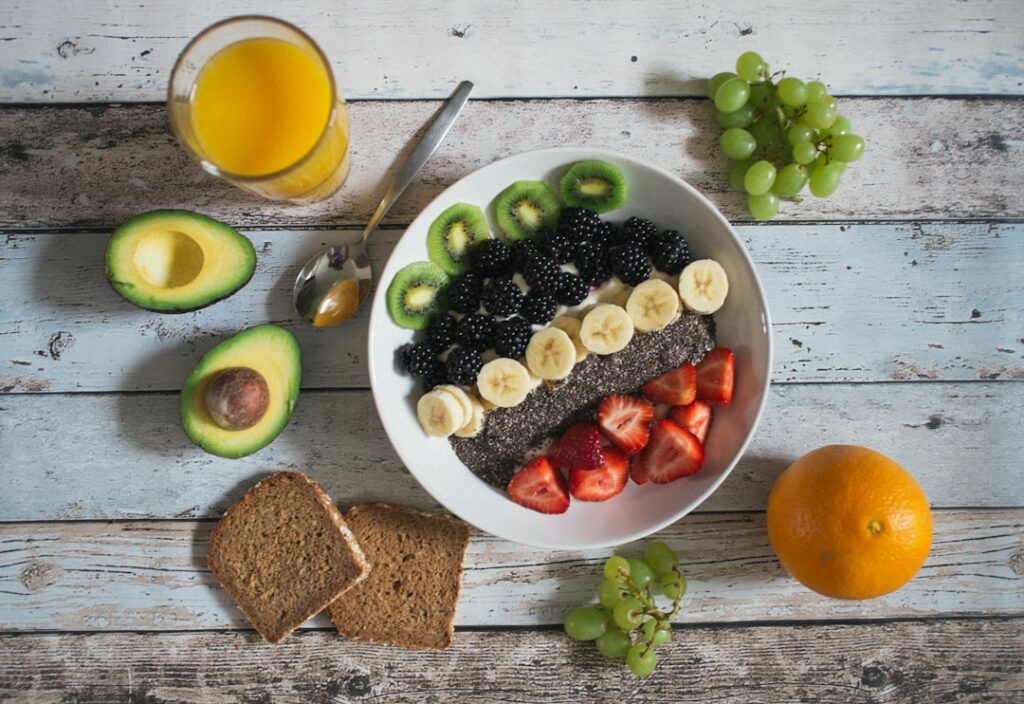
Blueberries, raspberries, and cranberries are bursting with antioxidants called anthocyanins. These potent compounds help protect liver cells from damage caused by free radicals and inflammation, contributing to overall liver resilience.
Healthy Fats
Foods rich in monounsaturated and polyunsaturated fats, such as avocados, olive oil, nuts, and seeds (like flaxseeds and chia seeds), can help reduce inflammation and prevent fat accumulation in the liver. Omega-3 fatty acids, in particular, are beneficial for their anti-inflammatory properties.
Garlic
This pungent powerhouse contains allicin and selenium, two natural compounds that support liver enzymes involved in detoxification. Garlic may also help reduce liver fat and inflammation.
Turmeric
The active compound in turmeric, curcumin, is a potent anti-inflammatory and antioxidant. Traditionally used to support various bodily functions, curcumin may help protect the liver from damage and assist in regeneration processes.
Green Tea
Green tea is renowned for its high concentration of catechins, a type of antioxidant that may help improve liver enzyme levels and protect against liver fat accumulation. Enjoying it unsweetened is key to maximizing its benefits.
Foods to Limit for Liver Health
Just as some foods support the liver, others can place a significant strain on it. Reducing your intake of these can give your liver a much-needed break:
Processed Foods & Refined Sugars
Foods high in refined sugars (like high-fructose corn syrup) and processed ingredients can lead to fat accumulation in the liver, contributing to conditions like non-alcoholic fatty liver disease (NAFLD). Biscuits, cakes, sugary drinks, and fast food are common culprits.
Excessive Alcohol
The liver is primarily responsible for metabolizing alcohol. Excessive alcohol consumption is a leading cause of liver damage, including alcoholic fatty liver, alcoholic hepatitis, and cirrhosis. Moderation or abstinence is crucial for liver protection.
Unhealthy Fats
Trans fats (often found in fried foods, baked goods, and some margarine) and excessive saturated fats can promote inflammation and fat buildup in the liver, hindering its function.
High-Sodium Foods
A diet high in sodium, often found in processed and packaged foods, can contribute to fluid retention and potentially impact liver health, especially in individuals with existing liver conditions.
Lifestyle Tips for a Healthy Liver
Beyond diet, several lifestyle factors contribute to optimal liver health:
- Stay Hydrated: Water helps the liver flush out toxins.
- Regular Exercise: Physical activity can help reduce liver fat and improve overall metabolic health.
- Maintain a Healthy Weight: Obesity is a major risk factor for NAFLD.
- Manage Stress: Chronic stress can indirectly impact liver function by affecting other bodily systems.
Conclusion
Your liver is a hardworking organ that deserves your attention and care. By focusing on a diet rich in whole, unprocessed foods and limiting those that burden it, you can significantly support its vital functions. Remember, a healthy liver contributes to a healthier, more vibrant you. Always consult with a healthcare professional before making significant dietary changes, especially if you have existing health conditions.