A simple baking soda paste can be a gentle home routine for teeth that look dull or yellowed from everyday surface stains. Used lightly and occasionally, it works as an extra polish alongside your regular brushing, not as a replacement for dental care.
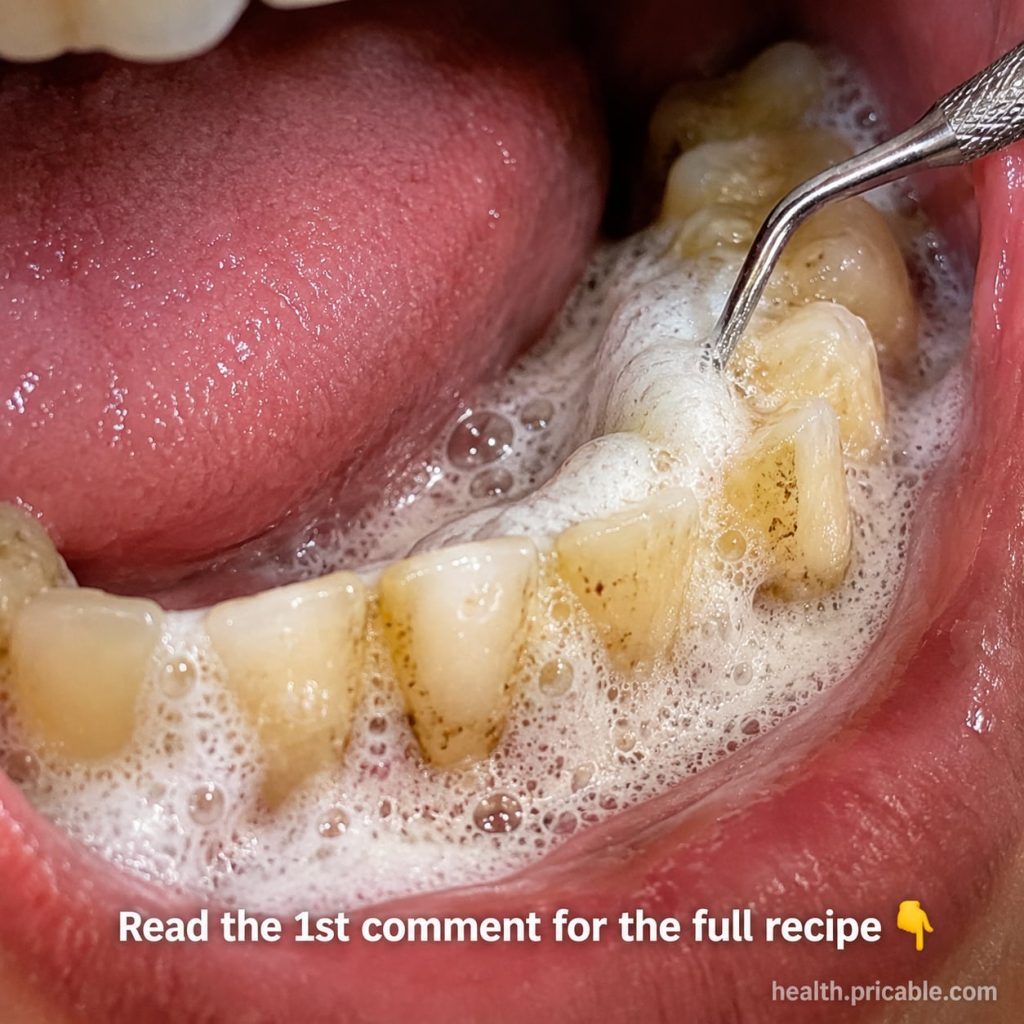
Quick Recipe
Prep time: about 2 minutes
Best for: yellow-looking teeth caused by surface stains from coffee, tea, or food
Use type: paste
Main ingredients:
- Baking soda
- Water
- A soft bristle toothbrush
Ingredients
- 1 teaspoon baking soda
- About 1/2 teaspoon water, added slowly
- A soft bristle toothbrush
How to Make It
- Place 1 teaspoon of baking soda in a small clean bowl.
- Add water a few drops at a time, stirring well, until you have a thick paste similar to toothpaste.
- Make only the amount you need for one use, and do not store the paste for later.
How to Use It
- Wet your soft toothbrush and dip it lightly into the paste.
- Brush your teeth gently for about one minute, focusing on the front surfaces where stains are most visible.
- Rinse your mouth thoroughly with water, then brush with your usual fluoride toothpaste to finish.

How Often to Use It
Use this paste no more than two times per week. Daily use of abrasive powders can wear enamel over time, so it is best kept as an occasional treat for your smile. If your teeth feel sensitive, skip a few weeks and go back to your regular routine.
Why These Ingredients Are Used
Baking soda
Baking soda is a mild abrasive that is traditionally used in home dental routines to help lift loose surface stains. Its gentle texture is why it is often chosen over harsher scrubs.
Water
Water simply turns the powder into a smooth paste that spreads evenly and is easy to control while brushing.
What Results to Expect
This remedy may help teeth look brighter and cleaner by gently removing some surface stains. Results are usually subtle and build slowly over several weeks of occasional use. It will not change the natural shade of your teeth, and it is not the same as professional whitening. Yellowing that comes from genetics, aging, or medication may not respond to home methods.
Safety Notes
- Use gently and never scrub hard, since aggressive brushing can irritate gums and wear enamel.
- Avoid this paste if you have sore gums, mouth ulcers, or exposed tooth roots.
- Do not use lemon juice, vinegar, or activated charcoal in the same routine, as these can be too acidic or abrasive for teeth.
- Be careful with crowns, veneers, bonding, or other dental work, since home abrasives may dull their surface.
- Keep the paste away from children and do not swallow it.
- Stop using it if you notice sensitivity, bleeding gums, or discomfort.
- See a dentist if discoloration is sudden, patchy, or persistent, as it may need professional care.
FAQ
Can this paste whiten teeth permanently?
It is best viewed as a gentle surface polish. Any brightening is usually temporary and depends on your daily habits, such as coffee, tea, and smoking.
How soon might I notice a difference?
Many people notice a subtle change after several weeks of occasional use. Results vary from person to person.
Can I use this every day?
Daily use is not recommended. Limiting it to two times per week helps protect your enamel and gums.
Final Thoughts
A simple baking soda paste can be a soft, practical addition to your home smile routine when used gently and occasionally. Keep up with regular brushing and dental checkups, and follow our page for more easy and careful beauty and home care guides.