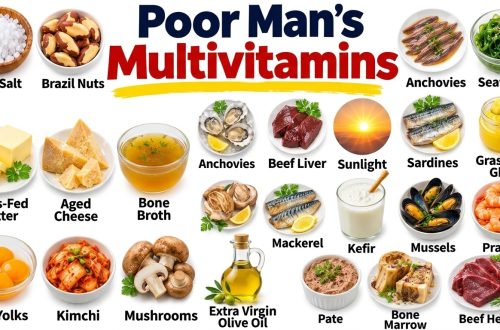
Looking for simple ways to support your energy, heart, digestion, and overall wellness? Superfoods are a popular topic, but the real value lies in consistent, everyday eating rather than a single miracle ingredient. This guide walks through nutrient-dense foods that fit easily into a balanced diet.
What Makes a Food a Superfood?
The term superfood is informal and is not a scientific classification. In nutrition, foods are usually described as nutrient-dense, meaning they provide a high amount of vitamins, minerals, fiber, and beneficial plant compounds for their calorie content. Foods like these can help you meet daily nutrient needs without relying on processed options.
Shared Foods for Everyone
Many nutrients support health regardless of gender. Here are some widely studied foods to consider:
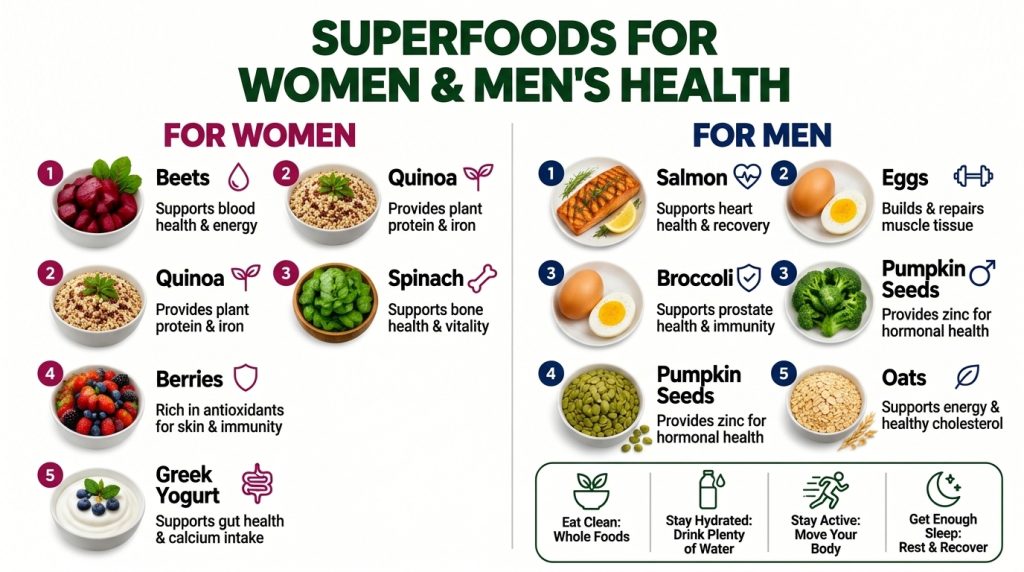
- Leafy greens such as spinach: A good source of folate, magnesium, and vitamin K, which contribute to normal blood clotting and bone function.
- Berries: Rich in fiber and antioxidants like anthocyanins, which are linked to healthy aging.
- Oats: Contain beta-glucan, a soluble fiber that may help support healthy cholesterol levels when part of a balanced diet.
- Quinoa: Offers plant protein along with fiber, magnesium, and iron.
- Greek yogurt: Provides protein and calcium, and many varieties contain live cultures that support gut health.
- Salmon: A source of omega-3 fatty acids, which contribute to normal heart function.
- Eggs: Supply high-quality protein and nutrients such as choline, which supports brain health.
- Pumpkin seeds: A useful source of zinc, magnesium, and healthy fats.
Why Gender-Based Lists Can Be Misleading
You may see superfood charts divided into lists for women and men. In reality, the nutritional needs of both groups overlap a great deal. Iron, calcium, and protein matter for everyone, though specific requirements can vary by age, life stage, and health status. Claims that a single food targets one organ or hormone are often overstated. A better approach is to focus on the nutrients you personally need and talk with a healthcare professional if you have specific health concerns.
Practical Ways to Add Superfoods to Your Day
- Start breakfast with oats or yogurt: Top plain Greek yogurt or cooked oats with berries and a spoonful of pumpkin seeds.
- Build colorful lunch bowls: Combine quinoa, spinach, roasted beets, and a source of protein for a balanced meal.
- Plan dinners around protein and vegetables: Try salmon or eggs with broccoli or leafy greens.
- Keep healthy snacks ready: Portion nuts, seeds, and fruit so they are easy to grab.
Healthy Habits That Multiply the Benefits
Food is only one part of wellness. Supporting your health also includes:
- Eating whole, minimally processed foods most of the time.
- Drinking enough water throughout the day.
- Staying physically active with movement you enjoy.
- Getting regular, restorative sleep.
Final Thoughts
Superfoods are most useful as part of a varied, balanced eating pattern. Choose a range of colorful, minimally processed foods, pay attention to your own nutrient needs, and build small habits you can maintain over time. Consistency, not perfection, is what supports long-term wellness.