Glowing skin does not always require a long shopping list or an expensive jar with a fancy label. Many women discover that two familiar bathroom staples, petroleum jelly and baby oil, can become a simple, affordable routine that feels soft, nourishing, and easy to keep up with. This guide walks you through the idea behind the trend, how to approach it safely, and how to decide whether it belongs in your self-care routine.

Why Everyday Staples Are Getting So Much Attention
Many beauty lovers are tired of spending heavily on creams that promise dramatic results. Trusted pantry and bathroom basics such as petroleum jelly and baby oil are widely available, budget-friendly, and have long histories of use for dry, tired-looking skin. The appeal is simple: they are familiar, easy to find, and can feel comforting when your skin needs extra moisture.
Understanding the Two Main Ingredients
Petroleum Jelly
Petroleum jelly is an occlusive ingredient. In plain terms, it helps lock moisture into the surface of the skin, which is why it is often used on dry elbows, heels, and lips. It does not add water to the skin on its own, so it works best when applied on top of hydrated skin.
Baby Oil
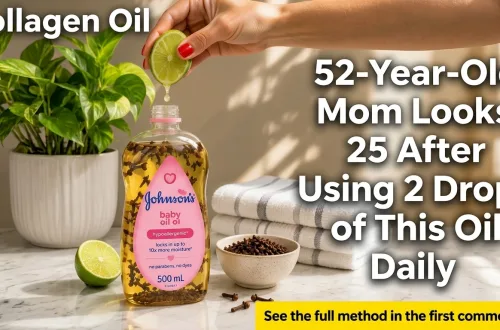
Baby oil is a mineral oil based product that many people use to soften and smooth the skin. It can give a light, slippery feel and may help a dry area look more supple. Because it is an oil, it can feel rich on some skin types and may be too heavy for others, especially on the face.
How to Approach the Glow Routine Safely
If you want to try a combination like this, a gentle and careful approach will help you get the most comfort with the least risk. Follow these general steps:
- Start with clean skin and pat it lightly so it is still a little damp.
- Use only a small amount of each product, scooping it onto a clean tool or palm rather than dipping fingers repeatedly into the jar.
- Mix gently until the texture feels even and smooth, then apply a thin layer to targeted dry areas.
- Use it in the evening, when you have time to let it settle without heavy makeup on top.
- Wipe away any excess with a soft tissue so the skin does not feel greasy in the morning.
Patch Testing and Important Precautions
Before using any mixture on your face, perform a patch test on a small area of skin, such as the inner forearm, and wait at least 24 hours. Stop using the product if you notice redness, itching, burning, or irritation. Avoid applying it to broken, infected, or very irritated skin. If you are acne-prone, have sensitive skin, or live with a skin condition, speak with a dermatologist before adding occlusive products to your routine, since heavy textures can feel uncomfortable or clog pores for some people.
Tips for Getting the Most From Your Routine
A simple routine works best when it is consistent and realistic. Cleanse gently, use a light hydrating product if your skin likes one, and reserve the richer mixture for nights when your skin needs extra comfort. Sun protection during the day remains important for keeping dark spots and uneven tone from becoming more noticeable, so consider pairing your evening routine with a daytime sunscreen.
Is This Approach Right for You?
This type of routine may appeal to you if you enjoy budget-friendly beauty, like simple homemade ideas, and prefer ingredients you already know. It may be less suitable if your skin reacts easily to oils or if you prefer lightweight textures. Remember that results vary, and no single product can change everything about your skin on its own. Healthy habits such as hydration, good sleep, and a gentle routine all play a part in how your skin looks and feels.
Find the Full Recipe
If you would like to see the mixing process in action and read the complete instructions, check the first comment on the post for the full recipe. Take your time, test carefully, and enjoy a calm moment of self-care that fits your everyday life.