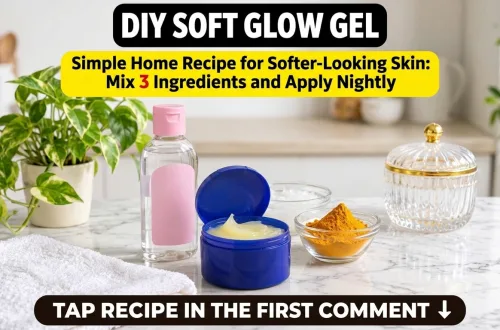
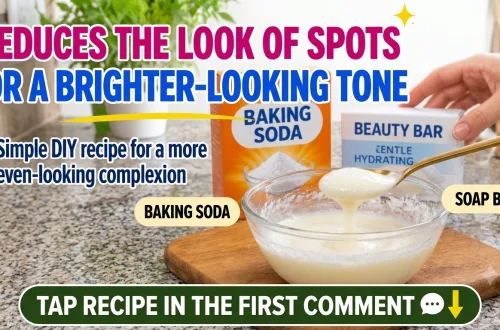
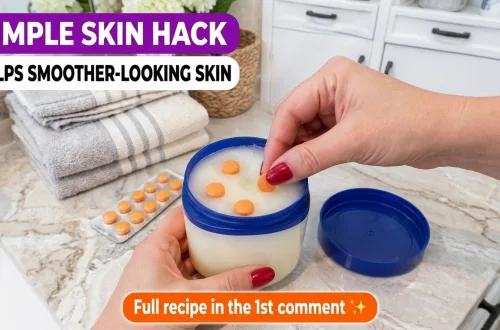
Everyday kitchen and bathroom items can be fun to experiment with, and a homemade jar of cream sounds like a lovely self-care project. However, the popular idea of mixing baking soda into petroleum jelly to create a ‘secret anti-aging cream’ is not a safe recipe, and no homemade mixture can make your skin look decades younger. In this article, we explain why this combination is a concern and share a simple, gentler homemade moisturizer you can try instead.
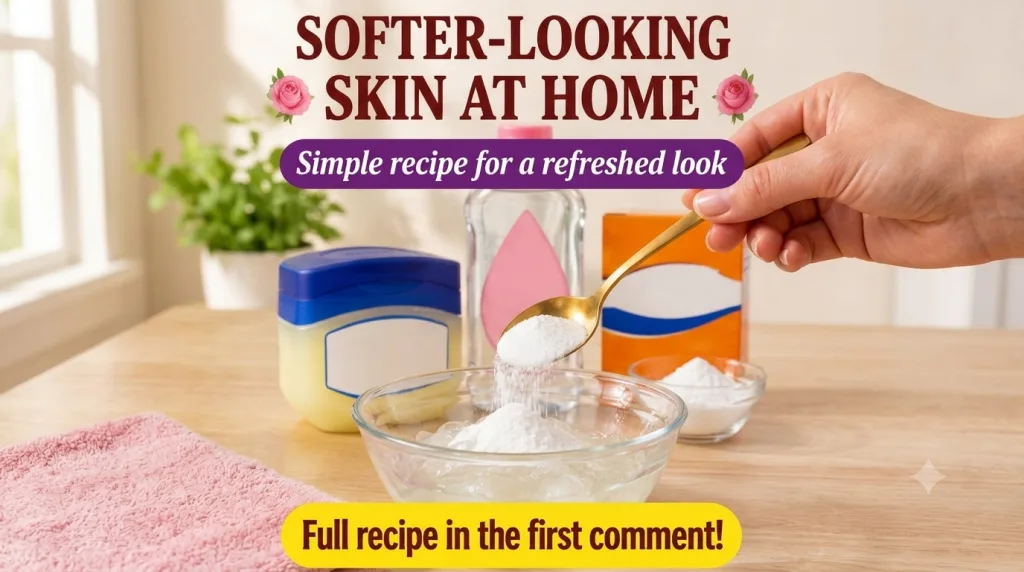
Why Baking Soda Is Not Suitable for Facial Skin
Baking soda is a strong alkaline powder. When used on the face, it can disturb the skin’s natural protective barrier, which may lead to dryness, stinging, redness, or irritation. Many people also use it as a scrub, but the grainy particles can be harsh on delicate facial skin. For this reason, baking soda should not be used as a facial exfoliant or mixed into products meant for the face.
Petroleum jelly is a gentle occlusive, meaning it forms a barrier that helps the skin hold on to moisture. It is often used on dry patches. However, it does not contain anti-aging ingredients, and it cannot reverse aging, smooth deep lines, or change how old your skin looks. Mixing it with an irritating powder does not make it more effective, and it may make the skin more reactive.
A Gentle Homemade Moisturizer to Try Instead
This simple balm is designed for comfort and temporary moisture only. It is best for dry areas such as elbows, hands, or the body, and it can also be used on the face if your skin tolerates it well.
Ingredients
- 1 tablespoon unrefined shea butter
- 1 teaspoon jojoba oil (a safer choice than almond oil for people with nut allergies)
Equipment
- Small heatproof glass bowl
- Small saucepan
- Clean spoon
- Small airtight glass jar with a lid
Step-by-Step Preparation
- Wash your hands and make sure all equipment is clean and completely dry.
- Place the shea butter in the glass bowl. Set the bowl over a saucepan with about one inch of warm, not boiling, water.
- Stir gently for 2 to 3 minutes until the shea butter has just melted. Remove the bowl from the heat.
- Add the jojoba oil and stir for about 30 seconds until smooth and combined.
- Let the mixture cool at room temperature for about 10 minutes until it begins to thicken slightly.
- Spoon the balm into the clean jar, close the lid, and let it set fully before use, which takes about 30 to 60 minutes.
How to Apply
Apply the balm to clean, dry skin after gentle washing. Use a pea-sized amount, warm it between your fingertips, and smooth it onto the area with light strokes. Avoid the eyes, the inside of the nose, the lips, and any broken, cut, or irritated skin. Leave it on the skin as your moisturizer, or wipe away any excess with a soft tissue after a few minutes if it feels heavy.
Recommended Frequency
Use this balm once or twice a day as part of your routine, or as often as your skin feels dry. Because it is rich and occlusive, it is best used at night or on areas that need extra comfort.
Storage and Shelf Life
This recipe contains no water, which makes it less likely to support microbial growth than water-based creams. Still, it is a homemade product without preservatives. Make only a small batch, keep it tightly closed in a cool, dark place, and use a clean spoon or fingertips each time. Discard it if you notice a sharp, sour, or rancid smell, a change in color, or any separation or mold. Do not assume it will last for months.
Safety Precautions
Always patch test before using a new product. Apply a small amount to the inside of your forearm and wait 48 hours. Stop using the balm if you notice redness, itching, burning, swelling, or a rash. Natural ingredients can also cause allergic reactions. If you have persistent dryness, eczema, rashes, or any other skin concern, speak with a dermatologist or healthcare professional rather than relying on homemade remedies.
Common Mistakes to Avoid
- Adding baking soda or other abrasive powders: These can irritate the skin. Keep your recipe to gentle, simple ingredients.
- Applying to broken skin: Wait until the skin has healed before using any homemade product.
- Overheating the ingredients: Melt them gently over warm water rather than directly on the stove.
- Expecting dramatic results: A moisturizer can help skin feel softer, but it cannot erase wrinkles or reverse aging.
Frequently Asked Questions
Can I add baking soda to make the cream work better?
No. Baking soda can irritate the skin and is not suitable for facial use.
Will this cream make me look younger?
It may help dry skin feel softer and more comfortable. It cannot reverse aging or replace proven skincare treatments.
Can I use this balm instead of sunscreen?
No. This balm does not protect against the sun. Use a broad-spectrum sunscreen during the day.
What if my skin becomes irritated?
Stop using the product, rinse the area with lukewarm water, and seek medical advice if the irritation continues.
Conclusion
A simple shea butter and jojoba balm can be a comforting way to care for dry skin, as long as you keep the recipe gentle and use it with realistic expectations. Skip the baking soda combination, store small batches carefully, and always test first. Consistent, gentle care is the best way to keep your skin feeling soft and comfortable.