Unlock Radiant Skin with DIY Baby Oil Combos: Your Guide to Natural Moisturizing
Dreaming of soft, supple, and healthy-looking skin without complicated routines or expensive products? You’ve come to the right place! At Healthy Roots, we believe in embracing simple, practical solutions that empower you to achieve long-term skin wellness right from your home. Today, we’re diving deep into the world of DIY baby oil infusions – simple yet effective blends designed to nurture your complexion naturally.
Baby oil has long been a staple in many households, cherished for its affordability and effectiveness as a moisturizer. While it might not be a ‘miracle cure’ for wrinkles or dark spots, its primary strength lies in its ability to seal in moisture, creating a protective barrier that helps keep your skin smooth and hydrated. Think of it as your skin’s best friend for maintaining that natural glow by preventing moisture loss.
In this comprehensive guide, we’ll explore five unique DIY recipes, each crafted to enhance your skin’s hydration and overall feel. We’ll also unpack the science behind how these ingredients work, clear up common misconceptions, and share practical tips for incorporating them into your routine safely and effectively.
Understanding Your Skin: Hydration vs. Moisturization
Before we dive into the recipes, let’s clarify two often-confused terms: hydration and moisturization. Understanding the difference is key to building an effective skincare routine.
What is Hydration?
Hydration refers to the water content in your skin cells. When your skin is hydrated, it’s plump, elastic, and radiant. Ingredients that hydrate are called humectants; they attract water from the air or deeper layers of your skin and bind it to the skin’s surface. Examples include hyaluronic acid, glycerin, and aloe vera.
What is Moisturization?
Moisturization, on the other hand, is about preventing moisture loss. Moisturizers create a protective barrier on the skin’s surface to trap the water (both natural and from hydrators) inside. This barrier helps to strengthen your skin’s natural lipid barrier, preventing transepidermal water loss (TEWL). Ingredients that moisturize are called emollients (which smooth and soften skin) and occlusives (which form a physical barrier).
How Occlusive Ingredients Work
This is where baby oil shines! Baby oil, predominantly mineral oil, is a powerful occlusive agent. Occlusives form a physical barrier on the skin’s surface, acting like a seal that reduces the evaporation of water from the skin. Imagine putting a lid on a pot of boiling water – the lid (occlusive) traps the steam (moisture) inside. This barrier helps maintain the skin’s natural moisture levels, keeping it soft and preventing dryness. While occlusives don’t add water to the skin directly, they are essential for locking in any hydration you’ve already applied.
The Popularity of Baby Oil in Skincare
Baby oil has been a go-to for generations, and for good reason. It’s affordable, widely available, and surprisingly effective for certain skincare needs. Its main ingredient, mineral oil, is non-comedogenic (meaning it won’t clog pores for most people) and hypoallergenic, making it suitable even for sensitive skin. It creates a smooth, soft feel, making it an excellent base for various DIY moisturizing oil blends.
DIY Baby Oil Skincare Recipes for a Naturally Luminous Complexion
Let’s explore some fantastic combinations that harness the power of baby oil for your skin!
1. Baby Oil + Petroleum Jelly: The Ultimate Moisture Lock
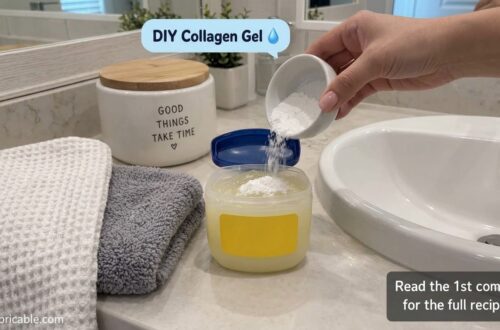
This duo is a powerhouse for extreme dryness, perfect for targeting rough patches like elbows, knees, and feet, or for ‘slugging’ (a technique to seal in all your skincare) on the face for intense overnight hydration.
Ingredients Explained:
- Baby Oil (Mineral Oil):
- Main Purpose: Occlusive moisturizer, creates a barrier.
- Moisturizing Properties: Locks in existing moisture, prevents water loss.
- Texture: Light, smooth, non-greasy feel after absorption.
- Suitable Skin Types: All skin types, especially dry and sensitive. Generally non-comedogenic.
- Possible Limitations: Doesn’t add hydration directly; some prefer natural oils.
- Petroleum Jelly (Vaseline):
- Main Purpose: Highly occlusive, acts as a protective barrier.
- Moisturizing Properties: Forms a robust seal to prevent TEWL, protecting compromised skin barriers.
- Texture: Thick, jelly-like, forms a visible film on the skin.
- Suitable Skin Types: Very dry, chapped, compromised skin barrier, sensitive skin. Generally non-comedogenic.
- Possible Limitations: Can feel heavy, especially for oily skin; may trap sweat if used on large areas in hot weather.
Preparation:
- In a small, clean container, scoop 1 tablespoon of petroleum jelly.
- Add 1 teaspoon of baby oil.
- Mix thoroughly until you achieve a smooth, uniform consistency. You might need to warm the petroleum jelly slightly by placing the container in warm water for easier mixing.
Suggested Application:
Apply a thin layer to extremely dry areas like heels, elbows, or knees. For facial ‘slugging,’ apply a pea-sized amount over your evening moisturizer and hydrators.
Benefits:
Intense moisturization, superior moisture retention, helps repair compromised skin barriers, soothes very dry and chapped skin.
Skin Type Recommendations:
Very dry, chapped, mature skin, or for targeted dry patches on any skin type (avoid for very acne-prone skin on the face if you’re concerned about a heavy feel).
Frequency of Use:
As needed, 2-3 times a week for targeted areas, or once or twice a week for facial slugging.
Safety Considerations:
Ensure skin is clean before application. While generally non-comedogenic, the heavy texture might feel too occlusive for very oily or acne-prone skin types, particularly on the face. Always patch test first.
2. Baby Oil + Vitamin E: Nourishing Moisture Boost
This blend combines the occlusive power of baby oil with the nourishing benefits of Vitamin E, an antioxidant that helps protect skin and improve its overall feel.
Ingredients Explained:
- Baby Oil (Mineral Oil): (Refer to explanation above)
- Vitamin E Oil (or extracted from capsules):
- Main Purpose: Antioxidant, skin conditioning.
- Moisturizing Properties: Emollient, helps strengthen the skin barrier and reduces water loss.
- Texture: Thick, viscous oil.
- Suitable Skin Types: Dry, mature, sun-exposed skin.
- Possible Limitations: Can be sticky; some individuals may be sensitive to Vitamin E topically.
Preparation:
- In a small dropper bottle, combine 2 tablespoons of baby oil.
- Puncture 2-3 Vitamin E capsules (400 IU each) and squeeze the oil into the bottle. Alternatively, add 1/2 teaspoon of pure Vitamin E oil.
- Shake well to combine.
Suggested Application:
Apply a few drops to damp skin after showering or bathing to lock in moisture. Can also be used as a targeted treatment for areas needing extra nourishment.
Benefits:
Improved skin barrier function, enhanced moisture retention, skin feels softer and smoother, antioxidant protection.
Skin Type Recommendations:
Dry, mature, sun-exposed, or environmentally stressed skin.
Frequency of Use:
Daily or every other day, especially after bathing.
Safety Considerations:
Perform a patch test, as some individuals can be sensitive to topical Vitamin E. Do not use on open wounds. If using capsules, ensure they are meant for topical application.
3. Baby Oil + Aloe Vera Gel: Lightweight Hydration & Soothe
This combination offers a refreshing balance between hydration and moisture sealing. Aloe vera provides water-based hydration, while baby oil locks it in, making it feel lighter than pure oil.
Ingredients Explained:
- Baby Oil (Mineral Oil): (Refer to explanation above)
- Aloe Vera Gel:
- Main Purpose: Hydrating, soothing, anti-inflammatory.
- Moisturizing Properties: Humectant, adds water content to the skin.
- Texture: Gel-like, lightweight, absorbs quickly.
- Suitable Skin Types: All skin types, especially sensitive, oily, or acne-prone.
- Possible Limitations: Pure aloe can be drying if not followed by an occlusive; can feel sticky on its own.
Preparation:
- In a clean bowl, combine 1 tablespoon of pure aloe vera gel.
- Slowly add 1 teaspoon of baby oil while stirring continuously.
- Continue mixing until the two form a smooth, emulsified lotion-like consistency. (Note: oils and water-based gels can separate, so quick application is best, or shake well before each use).
Suggested Application:
Apply to clean, slightly damp skin after cleansing. Gently massage until absorbed. Ideal for body, and for face if you prefer a lighter feel.
Benefits:
Provides both hydration and moisture retention, soothes irritated skin, feels lightweight and refreshing.
Skin Type Recommendations:
Normal, combination, sensitive, or mildly dry skin. A good choice for those who find pure oils too heavy.
Frequency of Use:
Daily, morning or night.
Safety Considerations:
Ensure you use pure aloe vera gel (ideally 99% or higher) without added alcohols or fragrances. Store in a cool, dark place and discard if it separates or changes smell/color.
4. Baby Oil + Coconut Oil: Tropical Softness Blend
This blend offers deep moisturization with the added emollient properties and tropical scent of coconut oil. It’s particularly effective for body care.
Ingredients Explained:
- Baby Oil (Mineral Oil): (Refer to explanation above)
- Coconut Oil (Virgin or Refined):
- Main Purpose: Emollient, skin conditioning, antimicrobial properties.
- Moisturizing Properties: Rich in fatty acids, excellent at softening skin and reducing water loss.
- Texture: Solid at room temperature, melts into a smooth oil on contact with skin.
- Suitable Skin Types: Very dry, normal body skin.
- Possible Limitations: Highly comedogenic for many people, especially on the face; can feel heavy and greasy.
Preparation:
- In a small, heat-safe jar, combine 2 tablespoons of solid coconut oil.
- Gently warm the jar in a bowl of hot water until the coconut oil melts.
- Add 1 tablespoon of baby oil and stir well to combine.
- Allow the mixture to cool and solidify slightly if preferred, or use while still liquid.
Suggested Application:
Best for body application, especially on dry limbs, elbows, and feet. Apply to damp skin for maximum absorption after a shower.
Benefits:
Deeply moisturizing, leaves skin feeling incredibly soft and smooth, subtle tropical scent.
Skin Type Recommendations:
Normal to very dry body skin. Generally NOT recommended for facial use due to high comedogenicity.
Frequency of Use:
2-4 times a week for body, or as needed for very dry areas.
Safety Considerations:
Crucially, avoid using this blend on your face if you are prone to acne or breakouts, as coconut oil is highly comedogenic for many people. Perform a patch test. Store in a cool place to maintain consistency.
5. Baby Oil + Glycerin: Humectant-Occlusive Power Duo
This combination brings together the humectant power of glycerin with the occlusive barrier of baby oil, ensuring your skin both attracts and retains moisture effectively.
Ingredients Explained:
- Baby Oil (Mineral Oil): (Refer to explanation above)
- Glycerin (Vegetable Glycerin):
- Main Purpose: Humectant, draws moisture to the skin.
- Moisturizing Properties: Attracts water from the environment and deeper skin layers, keeping skin hydrated and plump.
- Texture: Viscous, clear liquid, can feel slightly sticky if used in high concentrations.
- Suitable Skin Types: All skin types, including sensitive and oily.
- Possible Limitations: Can feel tacky if used pure or in high percentages; needs an occlusive to lock in the moisture it attracts.
Preparation:
- In a small, clean bottle, combine 2 tablespoons of baby oil.
- Add 1/2 teaspoon of pure vegetable glycerin.
- Shake vigorously to combine. The glycerin may settle, so shake well before each use.
Suggested Application:
Apply a few drops to damp skin on the body or face after a hydrating toner or serum. Massage gently until absorbed.
Benefits:
Attracts and locks in moisture, improves skin hydration and suppleness, enhances overall skin comfort.
Skin Type Recommendations:
Dry, normal, combination, and sensitive skin. Excellent for anyone needing an extra boost of hydration retention.
Frequency of Use:
Daily, ideally after showering or cleansing when skin is slightly damp.
Safety Considerations:
Glycerin is generally very safe and well-tolerated. Ensure you use cosmetic-grade vegetable glycerin. If the mixture feels too sticky, reduce the amount of glycerin.
Layering Skincare Correctly for Optimal Results
To get the most out of your DIY moisturizing oils, understanding how to layer your skincare is crucial. The general rule of thumb is to apply products from thinnest to thickest consistency, allowing each layer to absorb partially before applying the next.
- Cleanse: Start with a clean slate.
- Hydrate (Humectants): Apply water-based serums, essences, or toners containing ingredients like hyaluronic acid or pure aloe vera gel. This step adds water to your skin.
- Treat (Actives): If you use specific treatments (e.g., Vitamin C, retinoids), apply them here.
- Moisturize (Emollients/Occlusives): This is where your DIY baby oil blends come in. Apply them over your hydrators and treatments to seal everything in. The occlusive barrier of the baby oil will prevent the water from evaporating.
- SPF (Morning): Always finish your morning routine with sunscreen.
Remember, baby oil, being an occlusive, works best when there’s something to *lock in*. Applying it to dry skin without prior hydration won’t be as effective.
When to Apply Body Oils
The best time to apply body oils, including our DIY blends, is immediately after showering or bathing while your skin is still damp. This is when your skin is most receptive to absorbing moisture and the oil can effectively trap that water on your skin’s surface. Pat your skin gently with a towel, leaving a little moisture, then apply your chosen oil blend. This locks in the water and leaves your skin feeling incredibly soft and smooth.
Common Mistakes When Using Body Oils
- Applying to completely dry skin: As mentioned, oils are occlusive. They prevent moisture loss. If there’s no moisture on the skin to begin with, they have less to lock in. Always apply to damp skin for best results.
- Using too much: A little goes a long way! Over-applying can leave your skin feeling greasy and may not absorb properly. Start with a small amount and add more if needed.
- Not patch testing: Even natural ingredients can cause reactions. Always test a new blend on a small, inconspicuous area of your skin (like your inner arm) before applying it all over.
- Expecting anti-aging miracles: While these blends can improve skin’s appearance by keeping it hydrated and supple, baby oil primarily works as an occlusive. It will not reverse deep wrinkles, reduce dark spots from hyperpigmentation, or boost collagen production in the way dedicated active ingredients or medical treatments would. Manage your expectations realistically.
- Using comedogenic oils on the face (e.g., coconut oil): Some oils, like coconut oil, can clog pores for many individuals, leading to breakouts, especially on the face. Be mindful of ingredient properties for facial use.
Embrace Your Natural Glow
At Healthy Roots, we’re all about empowering you with simple, practical, and effective ways to care for your body naturally. These DIY baby oil combinations are a fantastic way to boost your skin’s natural moisturizing routine, leaving it feeling incredibly soft, supple, and healthy. They remind us that effective skincare doesn’t have to be complicated or expensive.
Experiment with these homemade body oil recipes, listen to your skin, and discover your secret to a naturally luminous and even-toned complexion. It’s easier than you think to create these skin-loving blends and make healthy skin a sustainable part of your lifestyle!
Ready to give your skin the moisture it deserves? Share your favorite DIY blend in the comments below!