Embarking on a vegan journey, or simply looking to expand your plant-based culinary skills, often brings questions about how to make ingredients truly shine. Just as traditional cooking focuses on different ‘cuts’ and preparations of ingredients, the world of plant-based cuisine offers incredible versatility. This guide will help you master various plant-based ingredients to create delicious, satisfying, and classic vegan dishes.
Why Master Plant-Based Ingredients?
Mastering plant-based ingredients goes beyond simply replacing animal products. It’s about understanding the unique textures, flavors, and nutritional benefits that vegetables, legumes, grains, and plant-based proteins bring to your plate. When you know how to properly prepare and combine these elements, you unlock a world of culinary creativity and ensure your meals are both nutritious and incredibly tasty.
- Enhanced Flavor: Learning proper cooking techniques brings out the natural sweetness, savoriness, and umami in plant foods.
- Optimal Nutrition: Understanding ingredient properties helps you create balanced meals rich in essential vitamins, minerals, and protein.
- Versatility: A mastery of plant-based staples opens the door to adapting almost any recipe into a delicious vegan version.
- Efficient Meal Prep: Knowing how to prepare core ingredients makes your weekly meal prep faster and more enjoyable.
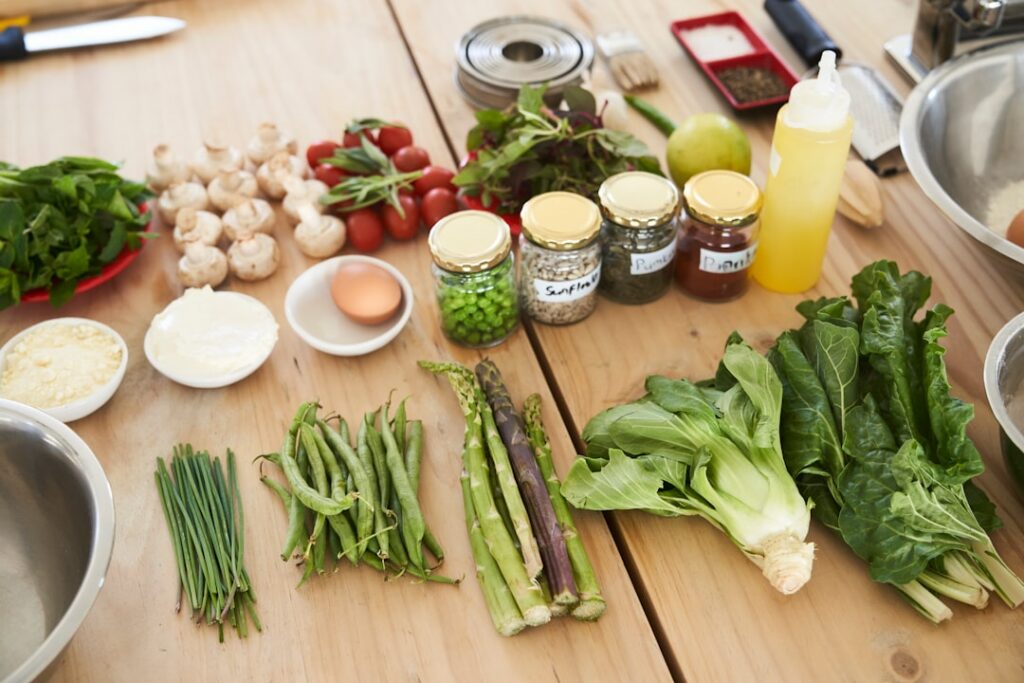
Understanding “Vegan Cuts” and Preparations
When we talk about ‘cuts’ in vegan cooking, we’re referring to the various ways you can prepare and transform plant-based ingredients to achieve different textures and enhance their natural flavors. Think beyond just chopping!
Vegetables: The Foundation of Flavor
- Roasting: High heat brings out incredible sweetness and caramelization in root vegetables (carrots, potatoes, sweet potatoes), broccoli, Brussels sprouts, and bell peppers.
- Grilling: Adds a smoky char to zucchini, eggplant, mushrooms, asparagus, and corn, perfect for summer meals.
- Sautéing: A quick way to soften and develop flavors in leafy greens, onions, garlic, and mushrooms for stir-fries or bases for stews.
- Julienne/Matchstick: Fine cuts for quick cooking in stir-fries or delicate garnishes for salads.
Plant-Based Proteins: Tofu, Tempeh, Seitan & Legumes
These ingredients are incredibly versatile and can mimic various textures found in traditional dishes.
- Tofu:
- Firm/Extra-Firm: Press well, then cube, slice, or crumble for baking, frying, scrambling, or grilling. Great for vegan recipes like stir-fries or ‘chicken’ nuggets.
- Silken: Ideal for creamy sauces, desserts, smoothies, and ‘egg’ scrambles.
- Tempeh: Fermented soybean product with a nutty flavor. Slice, cube, or crumble for marinating and baking, pan-frying, or adding to stews. Excellent for ‘bacon’ strips or ‘fish’ fillets.
- Seitan: Wheat gluten with a chewy, meat-like texture. Best for ‘steaks,’ ‘roasts,’ or ‘ribs.’ It absorbs marinades beautifully.
- Legumes (Beans & Lentils): Can be mashed for burgers, pureed for dips, kept whole for salads and stews, or sprouted. They are the backbone of many hearty plant-based nutrition meals.
Classic Vegan Dishes to Master
With your newfound understanding of ingredient preparation, let’s explore some classic dishes that are wonderfully adaptable to a vegan lifestyle.
Hearty & Comforting Classics
- Lentil Shepherd’s Pie: A rich lentil and vegetable filling topped with creamy mashed potatoes. Perfect for a cozy evening.
- Mushroom Stroganoff: Sautéed mushrooms in a creamy, savory sauce, often served over noodles. Use cashews or plant-based cream for richness.
- Chickpea & Vegetable Curry: A flavorful, aromatic stew that can be customized with various vegetables and spices, served with rice or naan.
Light & Fresh Favorites
- Classic Vegan Caesar Salad: Crisp romaine lettuce, crunchy croutons, and a tangy cashew-based Caesar dressing.
- Tofu Scramble: A quick and easy breakfast or brunch staple that can be customized with your favorite vegetables and spices.
- Black Bean Burgers: Homemade veggie burgers that are flavorful, firm, and incredibly satisfying.
Tips for Plant-Based Culinary Mastery
Becoming a master of plant-based cooking is an ongoing, delicious journey. Here are some key tips to guide you:
- Embrace Herbs & Spices: Don’t be shy! They are essential for building complex flavors in vegan dishes.
- Learn to Marinate: Tofu, tempeh, and seitan benefit immensely from good marinades, adding depth and moisture.
- Taste as You Go: Adjust seasonings frequently during cooking to ensure your flavors are balanced.
- Experiment with Textures: Combine crunchy, creamy, soft, and chewy elements for a more engaging meal experience.
- Prioritize Whole Foods: Build your meals around whole, unprocessed plant foods for optimal plant-based nutrition.
Conclusion
Mastering plant-based ingredients is an exciting and rewarding endeavor. By understanding how to prepare and transform vegetables, proteins, and grains, you can create an endless array of classic and innovative vegan recipes that are both delicious and incredibly good for you. So, head to your kitchen, get creative, and enjoy the journey of becoming a true plant-based culinary master!