A bright orange homemade puree is one of the easiest things to make from ordinary produce. It works as a smooth base for baby food, sauces, soups, smoothies, or a simple side for weeknight meals. Because you control the ingredients, you also control the texture and how much seasoning goes in.
What You’ll Need
Ingredients
- About 2 cups of chopped carrots or peeled pumpkin, cut into small, even pieces
- Water, enough to cover the vegetables in the pot (about 1 to 1½ cups)
- Optional: a small pinch of salt or a little olive oil for flavor
Tools
- A medium saucepan with a lid
- A knife and cutting board
- A blender or food processor, or an immersion blender
- A strainer (optional, for an extra-smooth texture)
- An airtight container for storage
Why This Puree Works
Carrots and pumpkin both become soft and easy to blend when simmered, which is why they make such a smooth result. Cooking also breaks down the vegetable fibers, so the puree stays creamy rather than grainy. Their natural color is what gives this puree its vibrant orange shade, and it needs no added coloring.
How to Make It
- Wash the vegetables well, then peel them and chop them into small, even pieces. Smaller pieces cook faster and blend more evenly.
- Place the pieces in the saucepan and add just enough water to cover them.
- Bring the water to a boil over medium heat, then reduce the heat to a gentle simmer and cover the pot.
- Cook for about 15 to 20 minutes, until a fork slides easily into the largest piece with no resistance.
- Drain the vegetables, saving about half a cup of the cooking liquid in case you need to thin the puree.
- Transfer the vegetables to a blender or food processor and blend until completely smooth. Add the reserved liquid one tablespoon at a time until you reach the consistency you want.
- For an extra-silky texture, press the puree through a strainer using the back of a spoon.
- Season lightly with salt or olive oil if you like, then taste and adjust.
How to Use It
Use this puree as a base for soups, pasta sauces, or mashed potatoes, or stir it into oatmeal and yogurt for natural color and a mild sweetness. For baby food, serve it plain and at room temperature, and wait until your little one is ready for pureed foods before offering it. Start with a small spoonful and add more as desired.
What to Expect
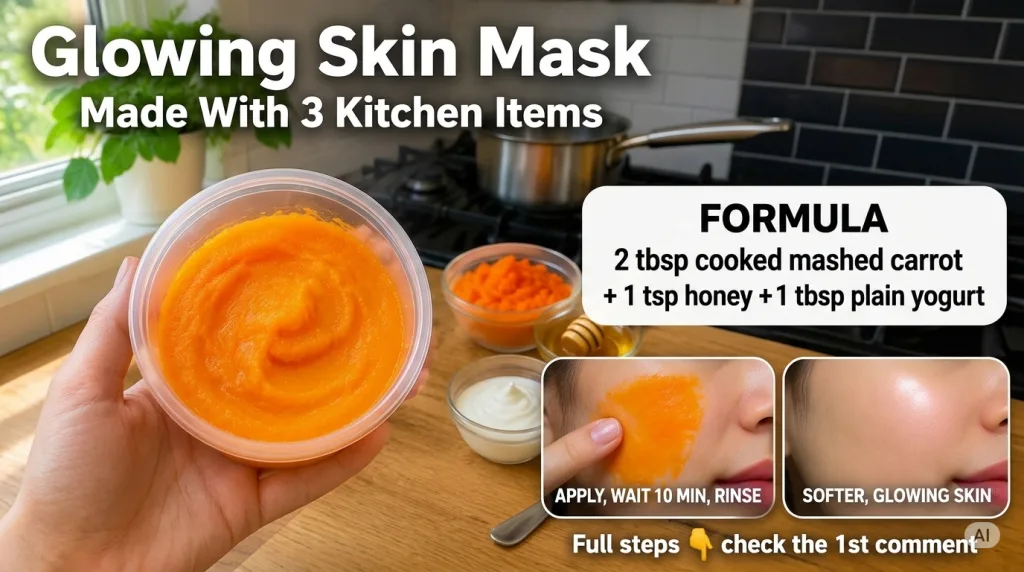
The finished puree should be smooth, thick enough to hold its shape on a spoon, and a warm, bright orange. Depending on the vegetable and how much water you use, the texture can range from thick and spreadable to thinner and pourable. Carrot puree tends to taste slightly sweet, while pumpkin is a bit milder and more earthy.
Helpful Tips
- Roast the vegetables instead of boiling them for a deeper, richer flavor. Toss them with a little oil and bake at 400°F until tender.
- Save the cooking water. It adds flavor and helps you adjust the thickness without watering down the puree.
- Let the puree cool completely before you store it.
- Portion it into ice cube trays and freeze for quick, ready-to-use servings.
Important Notes and Safety
- Refrigerate the puree in an airtight container and use it within about 3 to 4 days.
- Freeze it for longer storage, typically up to 3 months, and thaw it in the refrigerator overnight.
- Always cook the vegetables fully before blending so they are soft and safe to eat.
- If you are making puree for babies or young children, check with a pediatrician about when and how to introduce new foods.
Making this puree at home is simple, flexible, and far more satisfying than buying it ready-made. Try it once with carrots and once with pumpkin to see which flavor you like best.